UChicago Medicine & Biological Science’s top stories of 2025
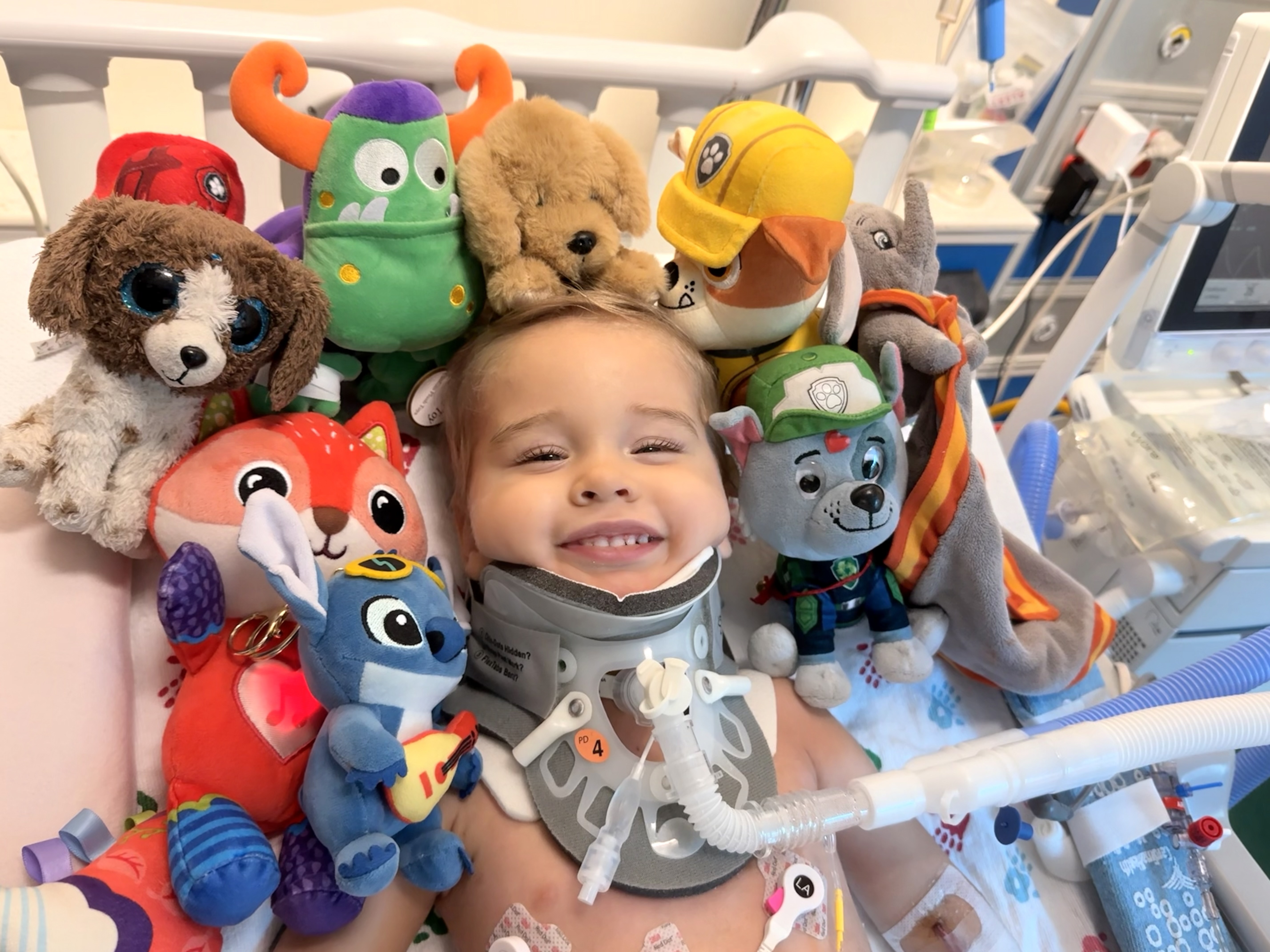
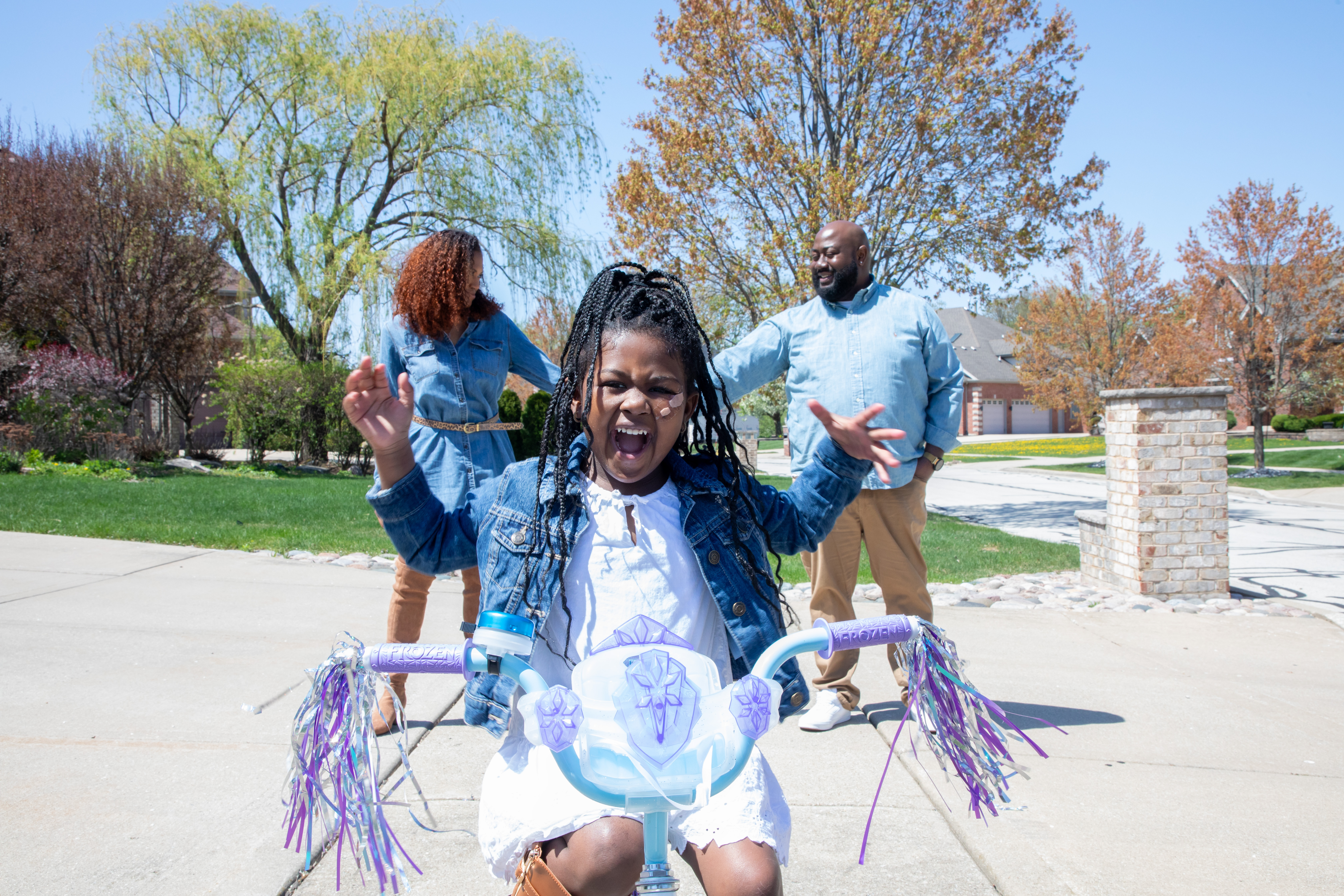
Harlow Lofton-Mosley, 5, was treated for leukemia at UChicago Medicine Comer Children's hospital. (Jordan Porter-Woodruff)
The University of Chicago Medicine and the Biological Sciences Division got to tell many stories about research, milestones and successes in 2025. Here’s a roundup of stories that resonated on social media and with readers of The Forefront and Biological Sciences Division blogs.
News
UCMC cancer program ranked Illinois’ best
The University of Chicago Medical Center was recognized in 10 specialties in U.S. News & World Report’s 2025-26 Best Hospitals rankings. The cancer program maintained its No. 12 ranking and was named the best in Illinois for the third year in a row. The gastroenterology and GI surgery program moved up five places to No. 20, and the Medical Center received “high-performing” ratings in 17 common procedures and conditions.
Comer Children’s celebrates 20 years
In February, the University of Chicago Medicine health system marked two decades since Comer Children’s Hospital opened its doors. The facility in October was ranked the No. 2 children’s hospital in Illinois for the fifth consecutive year by U.S. News & World Report. In addition to launching breakthrough treatments, the hospital is also home to countless stories of recovery, including Harlow Lofton-Mosely, 5, who recently completed chemotherapy for leukemia.
$715 million investment in community benefits
Every year, the health system details how it invests in the health of the communities it serves through outreach, grant programs, strategic partnerships and collaborations. The latest annual Community Benefit Report outlined support and services provided to communities on Chicago’s South Side and in the south suburbs.
Five flight nurses from the University of Chicago Medicine Aeromedical Network recently became new moms. (Tim Olk)
University of Chicago Pritzker School of Medicine students learned their residency placements during the annual Match Day celebration in May. A record 17% matched into psychiatry, reflecting a growing interest in mental health fields influenced by the pandemic.
Growth
With more than a year to go until opening, the 575,000-square-foot, seven-story cancer pavilion is moving along on time and on budget.
UChicago Medicine expands Cancer Network nationally
UChicago Medicine has expanded the UChicago Medicine Cancer Network to reach more patients. AdventHealth Cancer Institute Shawnee Mission in suburban Kansas City is the first national affiliate, offering advanced treatments, expert second opinions and access to UChicago Medicine clinical trials.
New homes for quantum medicine, collaborative discovery
A $21 million gift from philanthropist Thea Berggren launched the Berggren Center for Quantum Biology and Medicine to visualize biology with the power of highly powerful computation. Additional discoveries will be nurtured at Hyde Park Labs, a 300,000-square-foot laboratory facility that opened in September to advance research and entrepreneurship.
More space coming to Crown Point
After less than two years in operation, UChicago Medicine’s Crown Point multispecialty facility is growing to meet demand in Northwest Indiana. A 7,442-square-foot expansion will add 18 exam rooms, five pre/postsurgical bays, two procedure rooms and another operating room.
Patient stories
Oliver Staub, 2, underwent two complex surgeries at UChicago Medicine Comer Children's Hospital that reattached his head to his spinal cord.
Miraculous surgery after severe spine injury
After a devastating car accident, 2-year-old Oliver Staub is moving his limbs again. Mohamad Bydon, MD, reattached the toddler’s head to his spine during two complex surgeries at Comer Children’s. Bydon, who is Chair of the Department of Neurological Surgery, called Oliver’s ongoing recovery a “unique and special case … beyond our wildest expectations.”
A groundbreaking operation that implanted lab-grown stem cells into Jonathan Nemeth’s brain has quieted his disruptive seizures. Nemeth, 22, was part of the first clinical trial in humans to study how these “truly restorative” cells could help people with drug-resistant epilepsy, said Peter Warnke, MD, Director of Stereotactic and Functional Neurosurgery at UChicago Medicine.
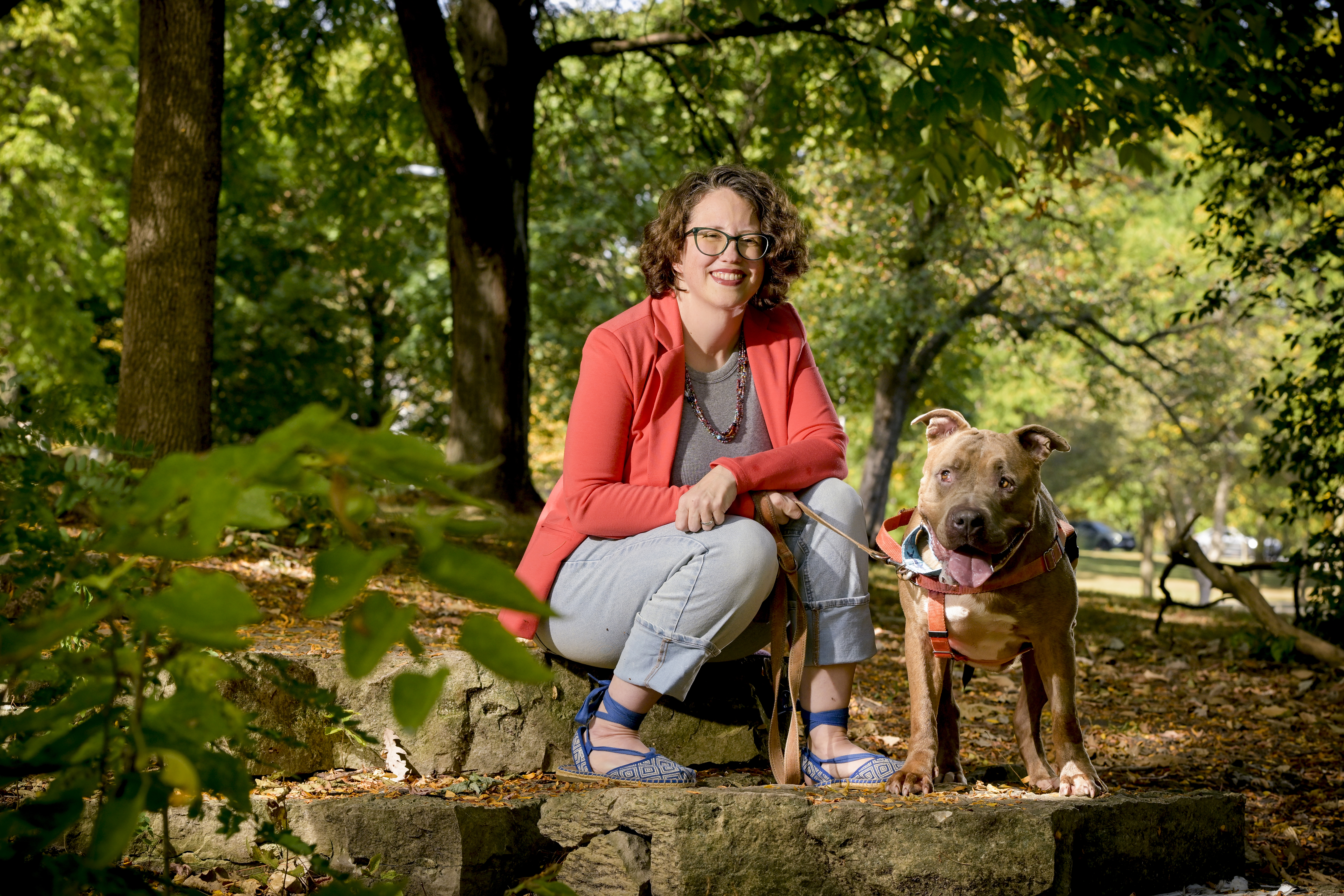
Crystal Hendricks-Kretzer, pictured with her dog, Persephone, enrolled in a clinical trial as part of her treatment for triple-positive breast cancer at the UChicago Medicine. (Mark Black)
Clinical trials for cancer deliver real-life breakthroughs
Multiple UChicago studies examined how food affects health. Among the findings: a typical Western diet prevents gut microbiome recovery after taking antibiotics; eating more fruits and vegetables supports good sleep; and zeaxanthin — a plant-derived carotenoid found in spinach, kale and orange peppers — can strengthen the cancer-fighting activity of immune cells.
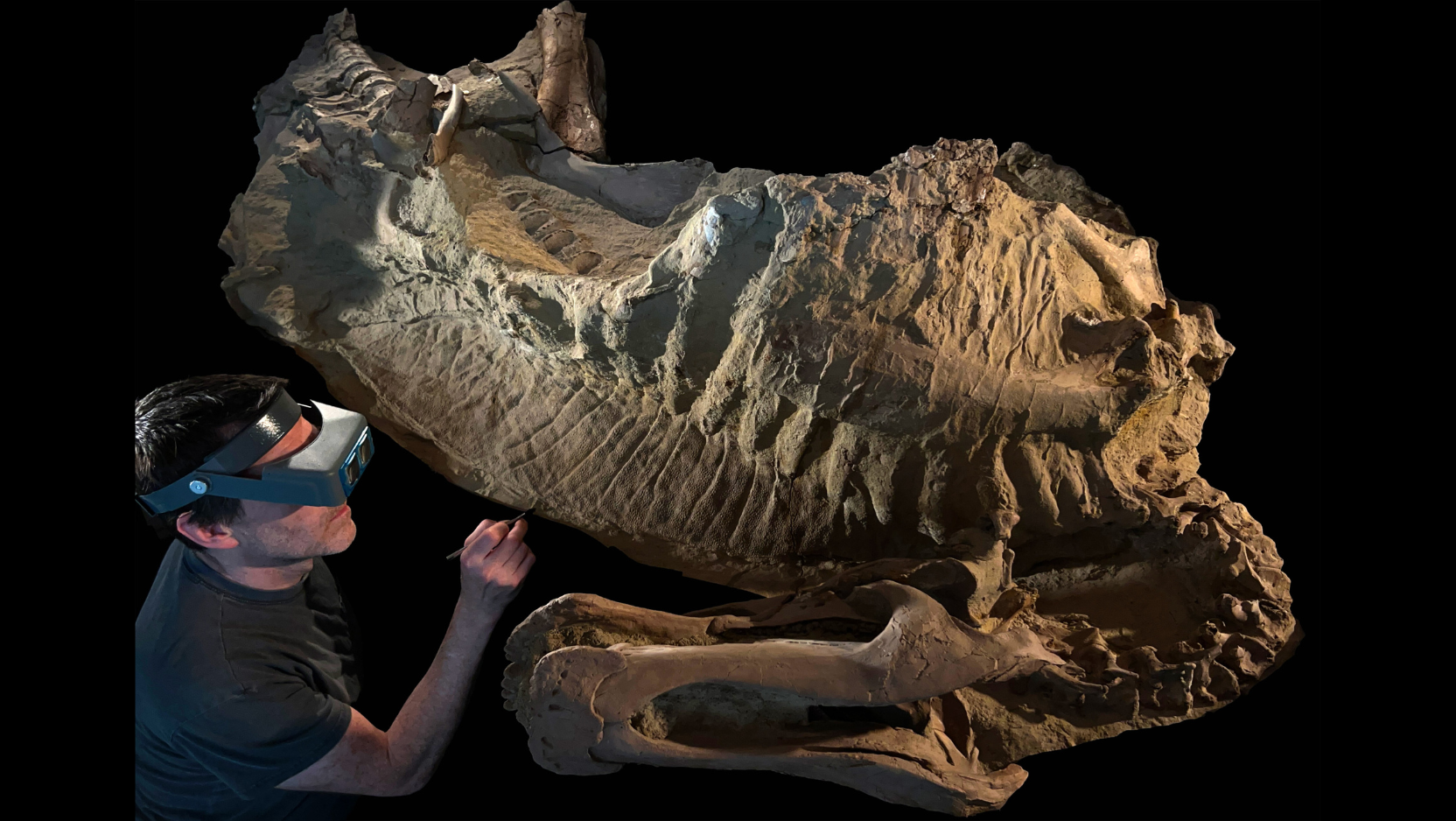
The dinosaur mummy nicknamed “Ed Jr.,” was covered by floodwaters some 66 million years ago. (UChicago Fossil Lab)
Ancient animals offer modern-day insights
Advanced imaging and fossil analysis helped UChicago teams uncover how duck-billed dinosaur carcasses from 66 million years ago were preserved as “mummies,” and to reconstruct the Edmontosaurus annectens with intricate details. Elsewhere, UChicago researchers found that dentine, the inner layer of teeth that transmits sensory information to nerves, evolved from sensory tissue in the armored exoskeletons of ancient fish.
Liquid biopsy breakthrough for colorectal cancer
UChicago researchers have developed a more sensitive liquid biopsy test that uses RNA instead of DNA for detecting cancer. Using blood samples from patients with colorectal cancer, the test was able to detect the earliest stages of the disease with 95% accuracy, vastly improving on commercially available noninvasive testing methods.
AI boosts clinical efficiency, curbs burnout
“Ambient” tools powered by artificial intelligence can listen in and take notes during medical visits. The result: lower burnout for clinicians and measurable cuts in time spent entering data into electronic medical records, according to UChicago Medicine teams that contributed to two papers in JAMA Network Open. The efficiency also supports more face time with patients.
Expert insights and advice
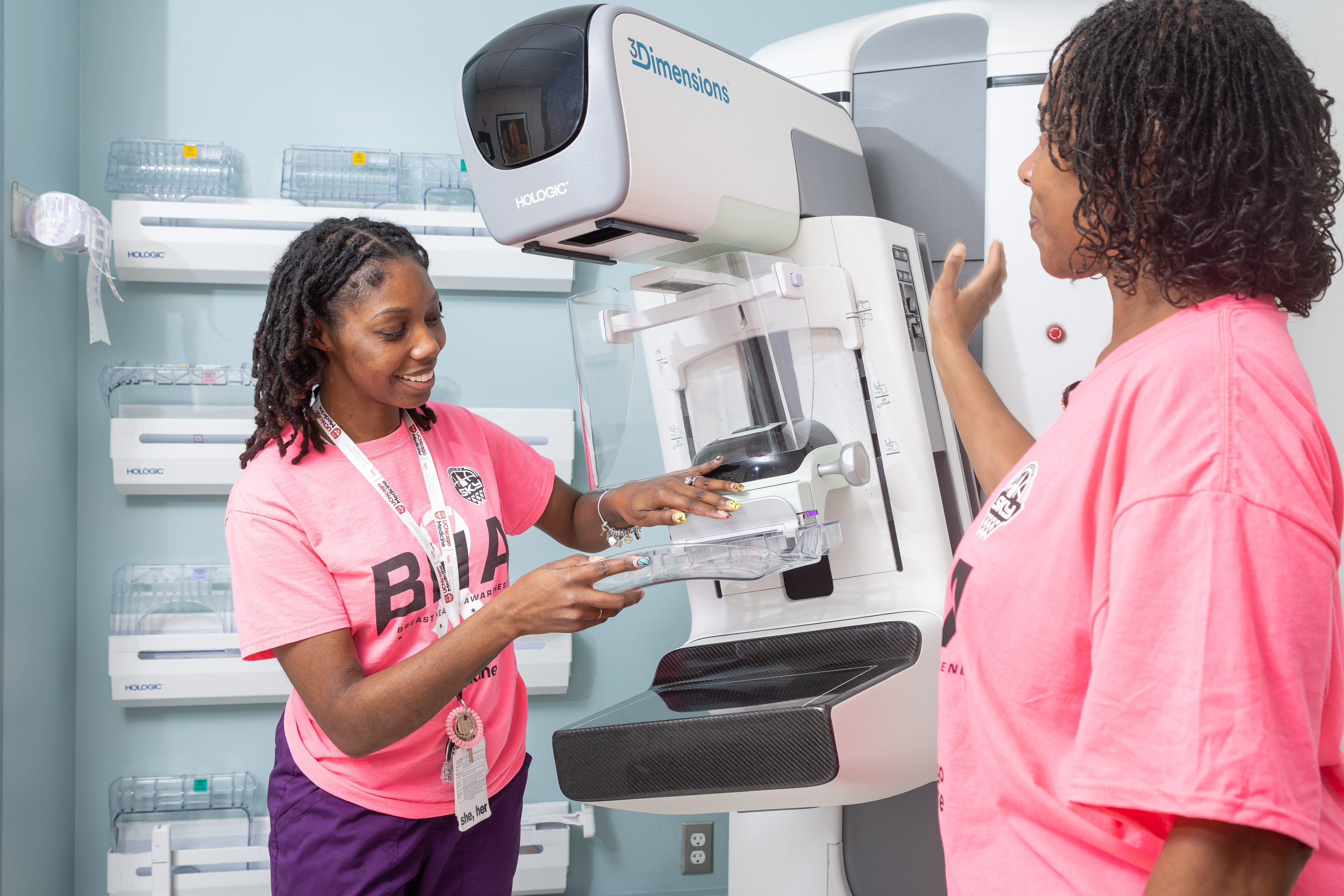
UChicago Medicine offers advanced mammogram tools and easy scheduling. (Nancy Wong)
Norovirus is most commonly known as the stomach flu, but it’s not caused by the influenza virus. This highly contagious virus generally spreads via hand-to-mouth contact about 12 to 36 hours after exposure. Cases are rising early this season; learn how to protect yourself.

.jpg)