
Peritoneal Cancer

If you have peritoneal cancer, you may be wondering what to do next. We can help.
At the University of Chicago Medicine, we’re home to many of the nation’s leading experts in treating cancer in the peritoneal cavity. As a patient, you’ll benefit from our team-based approach to care as well as our expertise in advanced treatments not widely available at most hospitals.
What is peritoneal cancer?
Peritoneal cancer occurs in the lining inside your abdomen (peritoneum). Most often, it develops when other cancers spread to your peritoneum (peritoneal carcinomatosis). Less frequently, the cancer can start in your abdominal lining (primary peritoneal cancer).
What are the types of peritoneal cancer?
- Primary peritoneal cancer is a rare type of cancer that begins inside the lining of the abdomen.
-
Secondary peritoneal cancer (peritoneal carcinomatosis or peritoneal metastasis) is cancer that has spread (metastasized) from another part of your body. Some of the cancers that can spread to the peritoneum include:
- Ovarian cancer
- Colorectal cancer
- Stomach cancer
- Appendix cancer
- Mesothelioma
- Pseudomyxoma peritonei (PMP cancer), a rare type of cancer that spreads inside the abdomen
Our team is skilled in diagnosing and treating both primary and secondary peritoneal cancers.
Peritoneal Cancer Symptoms and Diagnosis
Getting an accurate diagnosis is an important first step, especially as treatments become more advanced and personalized.
What are the symptoms of peritoneal cancer?
Peritoneal cancer symptoms can include:
- Abdominal pain
- Bloating
- Constipation
However, many people do not notice symptoms until their cancer has advanced.
How is peritoneal cancer diagnosed?
Diagnosis starts with a physical exam. We may also order several tests to detect peritoneal cancer and determine how much it has spread (staging).
The tests may include:
- Computed tomography (CT), magnetic resonance imaging (MRI) or positron emission tomography (PET), which are imaging tests that can see larger peritoneal tumors
- Blood tests, which can check for substances like proteins made by cancer cells
- Peritoneal fluid analysis, which involves using a needle to remove a sample of abdominal fluid to test for cancer
- Peritoneal washing, in which salt water is flushed into your peritoneal cavity and then drained to check for cancer cells
- Laparoscopy, a minimally invasive procedure that uses a thin, small camera to look inside the abdomen and take a biopsy (tissue sample)
Peritoneal Cancer Treatment: Surgery and Procedures
At UChicago Medicine, your test results will be reviewed by a team of different specialists, called a tumor board. Our peritoneal cancer care team meets regularly to determine the best path forward for every patient. Together, we’ll discuss your case and suggest a treatment plan based on your specific goals and preferences.
Peritoneal Cancer Clinical Trials
Because UChicago Medicine is home to a National Cancer Institute-designated Comprehensive Cancer Center, you have access to the newest treatments through our extensive clinical trials. By offering the latest investigative therapies, we aim to find new ways to manage complex cancers and advance care for our patients.
Meet Our Peritoneal Cancer Physician Team






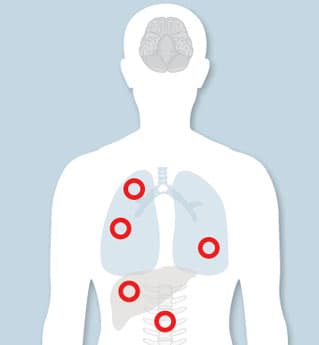
Treating Metastatic Cancer with Optimism and Hope
If you have been diagnosed with metastatic cancer, more therapies may be available to you than you think. Our cancer specialists are eager to help you understand all of your options.
Limited Metastatic Cancer Program