Creating a birth plan: Answers, tips and support for expectant parents

In this article:
Making a birth plan can help you feel confident and prepared for your baby's arrival. UChicago Medicine respects your choices and encourages open conversations with your care team. In this guide, obstetrician Abbe Kordik, MD, and certified nurse midwife Elizabeth Oppert, MSN answer common birth plan questions and explain what to consider.
Giving birth is a life-changing experience. Having a plan can help you feel more confident and prepared for the big day. At the University of Chicago Medicine Family Birth Centers, we respect your personal preferences and encourage you to have open conversations about them with your care team.
To help you get started, we've asked our experts to answer common questions about birth plans and explain what to consider when creating one.
What is a birth plan?
A birth plan lets your care team and loved ones know your preferences for labor, delivery and newborn care. Sharing your wishes helps everyone understand what matters most to you.
Do I need a birth plan?
Making a birth plan is up to you. Whether you have a written plan or not, our healthcare team will support your choices and keep you safe. If you choose to write one, bring a copy to your appointments so we can review it together.
With or without a birth plan, our experts will do everything possible to support the healthy childbirth experience you want for your family.
Things to Consider for Your Childbirth Experience
The most important step is talking openly with your obstetrician or midwife. Sharing questions, preferences and concerns helps you understand your options and limitations. It also helps your care team understand your expectations.
For example, if certain preferences may not be possible, available or safe for you, it's best to know early. Your obstetrician or midwife can help you understand what may cause changes to your birth plan. This allows you and your care team time to plan for how we can best support what's most important to you.
Together, you can discuss:
- Labor support including doulas, family and guests
- Natural birth choices, such as epidural alternatives, induction methods if needed and more
- Pain management options (medical, natural or a combination of both)
- Vaginal or cesarean delivery, including vaginal birth after C-section (TOLAC/VBAC)
- Newborn bonding, including skin-to-skin contact, rooming in and delayed cord clamping
- Breastfeeding and lactation support
How can I start my birth plan?
- Write down your ideas and bring them to your appointments.
- Talk with your obstetrician or midwife about your options.
- Ask about pain management methods and labor support.
- Share any special requests or worries.
- Keep your plan flexible because labor sometimes changes.
Do I have to stick to my birth plan?
No. Birth plans are flexible at the beginning of the conversation. Your team will work with you to honor your wishes. Of course, keeping you and your baby safe is always the top priority.
What if something changes during labor?
Things often change during labor. Your care team will explain changes and help you make decisions for you and your baby in real time.
Can I get help writing my birth plan?
Yes. Your obstetrician or midwife can help guide you through your options and answer any questions.
Tips for a Successful Birth Plan
Keep your birth plan flexible—it's a guide, not a guarantee. Your safety and your baby's health always come first. Review your plan with your obstetrician or midwife and update it as your pregnancy progresses.
- Keep your plan clear and simple.
- Focus on your most important wishes.
- Ask early about visitor guidelines and limitations.
- Share your plan with everyone on your care team.
- Remember to check your plan before delivery in case you want to update anything.
Questions and Considerations to Create Your Birth Plan
Use this checklist to guide your conversations and planning as you create a birth plan that fits your preferences and needs. Bring your plan to your appointments and review it with your care team.
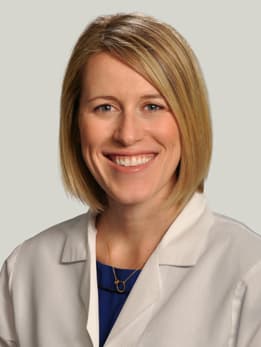
Abbe Kordik, MD
Abbe Kordik, MD, is a board-certified gynecologist and obstetrician. Dr. Kordik specializes in pregnancy and childbirth care, general gynecology, colposcopy, contraception, twin pregnancies and preconception counseling.
Learn more about Dr. Kordik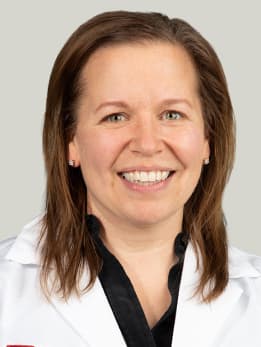
Elizabeth Oppert, MSN
Elizabeth Oppert, MSN, is an expert midwife with extensive knowledge and experience in pregnancy, childbirth and postpartum care.
Learn more about Elizabeth Oppert, MSNTwo Chicagoland Family Birth Centers: Hyde Park and Harvey
With birth centers at our Hyde Park campus and at UChicago Medicine Ingalls Memorial in Harvey, the University of Chicago Medicine also offers personalized prenatal care in several convenient locations for Chicagoland families. Learn more about the specialists on our care teams, available locations for prenatal care, and the remarkable care you'll experience when you choose our Hyde Park or Harvey birth centers.