Planning for pregnancy: How to get pregnant and prepare for a healthy birth

Thinking about having a baby? Planning ahead helps you stay healthy and gives your baby a healthy start. In this article, obstetrician Abbe Kordik, MD, and certified nurse midwife Elizabeth Oppert, MSN, answer common questions about preparing for pregnancy and how to get pregnant. You'll learn what steps to take, what to avoid and how your doctor or midwife can help.
Key Takeaways
- Start planning at least 3 months before you want to get pregnant. This gives you time to make healthy lifestyle changes and address any medical concerns.
- Ovulation — the short window when your egg is available — typically lasts 12-24 hours. Tracking your menstrual cycle helps you know the best time to try to get pregnant.
- Steps like taking prenatal vitamins, quitting smoking and alcohol, and managing chronic health conditions before pregnancy can significantly improve outcomes for you and your baby.
- If you have irregular periods or are having trouble getting pregnant, specialists at UChicago Medicine can help identify the cause and provide treatment or explore options like IUI or IVF.
Thinking about having a baby brings a lot of excitement — and often a lot of questions.
Planning ahead for pregnancy is one of the best things you can do for yourself and your baby. It can help you have a healthier pregnancy, learn about any health problems that might affect you or your little one, and give you time to make healthy lifestyle changes.
At the University of Chicago Medicine, our experts are here to guide and support you. We’ll do everything possible to help you prepare for a healthy pregnancy, delivery and baby.
Let's walk through some common questions to help you feel prepared and confident on your journey to parenthood.
When should I start planning for pregnancy?
It's never too early to start planning for pregnancy. Healthy habits now make a big difference later.
Try to begin at least three months before you want to get pregnant. This gives you time to make changes to your lifestyle and take care of health problems.
What should I do to prepare for pregnancy?
- Schedule a checkup. Before you try to get pregnant, schedule a preconception visit with your gynecologist or midwife. They'll review your medical history, what medications are safe during pregnancy, discuss shots you may need and review options for genetic testing that can be done before pregnancy.
- Stop using birth control. Whether it’s birth control pills, condoms, an IUD or other methods, talk with your doctor about timing to stop using protection.
- Take prenatal vitamins. These vitamins have folic acid and other nutrients. Folic acid can help prevent certain birth defects.
- Avoid smoking tobacco or marijuana, vaping and drinking alcohol. Chemicals in smoke and alcohol are harmful. They can cause serious health problems for you and your baby.
- Take care of your body. Eating healthy foods, exercising and getting enough sleep are always important. Also, talk with your doctor about what’s a healthy weight for you. Being underweight or overweight can make pregnancy harder.
- Take care of your health problems. If you have a chronic health condition, like diabetes or high blood pressure, do your best to make sure it's under control. Your doctor can help you with this. If you don’t get the care you need, it can harm you and your baby.
- Track your period. Keeping track of your menstrual cycle can help you know the best time to try to get pregnant.
- Schedule recommended vaccinations. Staying up-to-date on your vaccinations can help you avoid infections during pregnancy, like rubella or chicken pox, which can cause birth defects.
- Consider genetic counseling. This is a way to learn important information about your personal and family health history, which can help you make health decisions for yourself and your baby.
- Lower your stress. It’s always good to be calm and healthy in your mind and body. This could mean yoga, deep breathing, better sleep, regular exercise or simply how to decrease your mind-body response to the things that stress you.
- Check your medications. Ask your doctor if the medications you take are safe to use during pregnancy or during lactation.
- Avoid harmful chemicals. Stay away from toxins, chemicals and certain metals around the home and work.
- Plan your budget. Getting ready for a baby changes your whole life, including your budget. It's a good idea to think about these changes early and plan for them.
How do you get pregnant?
Having sex without any form of protection (birth control) is the first step to getting pregnant. But it’s not always as simple as some may think. There are many important steps to make this work.
In heterosexual couples, pregnancy happens when a sperm fertilizes an egg inside a fallopian tube. The fertilized egg then travels to the uterus, where it attaches and grows. Healthy eggs, sperm, fallopian tubes and uterus all play an important role in this process.
Same-sex couples and women planning to become single parents can also prepare for pregnancy using the preconception tips above. Specialists in reproductive endocrinology and infertility can help you take the next steps to grow your family.
What is ovulation?
Ovulation is the short time when your egg moves to your uterus. The best time to have sex if you want to get pregnant is the 3 days before you ovulate and the day of ovulation. Most women ovulate once a month.
When do you ovulate?
Ovulation usually starts about 12-16 days before your period. It helps to know the timing of your menstrual cycle. This means the number of days between your periods.
Most menstrual cycles last between 21-35 days. Most women ovulate around the same time each month. This makes it easier to plan to have sex around the time you ovulate so your egg and your partner’s sperm can connect.
If the timing of your menstrual cycle is not always the same, it’s difficult to know when you’re ovulating and when you should try to get pregnant. Your gynecologist or midwife can help.
How long does ovulation last?
Ovulation usually lasts 12-24 hours. Sperm can live inside the body for up to 5 days after sex. This is why timing sex to your fertile window is so important.
If the egg isn’t fertilized with sperm after ovulation, your period will start about 12-14 days later. You likely won’t have another egg available until the next time you ovulate. For most people, this means your next chance to get pregnant would be about a month later.
There are many ways to check if you are ovulating:
- Fertility awareness apps and devices
- Ovulation predictor kit test strips for urine
- Basal body temperature
- Checking cervical secretions or being aware of changes in vaginal discharge
How do you get pregnant with irregular periods?
First, we’ll try to figure out why your periods are irregular. This means you get your period more or less than monthly. It could also mean the number of days in your period is not always the same. Irregular periods can make it difficult to know the best time to try to get pregnant.
Irregular periods are a common side effect of certain health conditions, such as:
- Polycystic ovary syndrome (PCOS)
- Perimenopause
- Thyroid disease
At UChicago Medicine, our experts can help. If there’s a related health problem causing your period to be irregular, we'll treat that condition first. It could also mean teaching you other ways to track when you’re ovulating.
Should I see a fertility specialist if I have trouble getting pregnant?
If you’re having unprotected sex and not getting pregnant, ertility specialists, called reproductive endocrinologists, may be able to help you get pregnant when sex doesn’t seem to be working.
Typically, if you are under 35, you may be referred to a fertility specialist after 12 months of unprotected sex without getting pregnant. For women over 35, you will be referred after 6 months.
Reproductive endocrinologists work with you to find the reason you’re having difficulty in getting pregnant.
Sometimes this could mean problem solving, such as helping you find the right timing. For some people, it means trying options like intrauterine insemination (IUI) and in vitro fertilization (IVF) to help you get pregnant.
Next steps
Ready to start planning for your pregnancy journey?
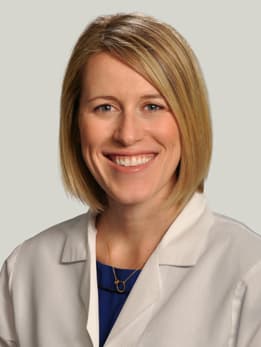
Abbe Kordik, MD
Abbe Kordik, MD, is a board-certified gynecologist and obstetrician. Dr. Kordik specializes in pregnancy and childbirth care, general gynecology, colposcopy, contraception, twin pregnancies and preconception counseling.
Learn more about Dr. Kordik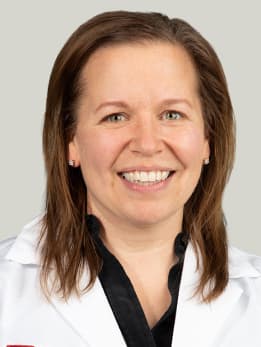
Elizabeth Oppert, MSN
Elizabeth Oppert, MSN, is an expert midwife with extensive knowledge and experience in pregnancy, childbirth and postpartum care.
Learn more about Elizabeth Oppert, MSNTwo Chicagoland Family Birth Centers: Hyde Park and Harvey
With birth centers at our Hyde Park campus and at UChicago Medicine Ingalls Memorial in Harvey, the University of Chicago Medicine also offers personalized prenatal care in several convenient locations for Chicagoland families. Learn more about the specialists on our care teams, available locations for prenatal care, and the remarkable care you'll experience when you choose our Hyde Park or Harvey birth centers.