Ruptured Brain Aneurysm
What Is a Ruptured Brain Aneurysm?
When a brain aneurysm tears open, blood spills into the thin fluid-filled space surrounding the brain — the subarachnoid space. This is called an aneurysmal subarachnoid hemorrhage (aSAH). It affects roughly 6–9 people per 100,000 each year, strikes younger than most strokes (average age ~55), and carries a mortality of ~30–35% even with modern care. About 10–15% of patients die before ever reaching a hospital.
At a Glance
- A ruptured brain aneurysm causes a sudden, severe headache — often described as the worst of a person's life — and is a 911 emergency
- Diagnosis starts with a non-contrast CT scan of the head, sometimes followed by a spinal tap and a CT angiogram
- The aneurysm should be secured within 24 hours by either endovascular coiling or open surgical clipping
- Even after the aneurysm is fixed, the next two weeks are a marathon: watching for vasospasm, delayed stroke, and hydrocephalus in the ICU
- Outcomes depend heavily on how severe the bleed was at arrival and how experienced the team managing it is
Emergency warning signs
- Sudden, severe headache that reaches full intensity within a minute ('worst headache of my life' / 'like being hit in the head with a bat')
- Nausea and vomiting
- A stiff neck, often developing a few hours after the headache starts
- Brief loss of consciousness or a seizure at the moment of rupture
- Blurred or double vision, or a drooping eyelid
- Weakness, numbness, or trouble speaking
The 'sentinel headache'
In roughly 10-40% of patients, a smaller warning leak occurs days to weeks before the main rupture. Any sudden severe headache that is different from a person's usual pattern deserves urgent evaluation — catching a sentinel bleed before a massive rupture can be lifesaving.
Step 1: Non-contrast CT scan
When performed within 6 hours of headache onset and read by an experienced radiologist, CT is essentially 100% sensitive for subarachnoid blood.
Step 2: Lumbar puncture (if CT is negative)
Looks for red blood cells and xanthochromia (yellowish discoloration of CSF), confirming blood has been in the CSF for several hours.
Step 3: CT angiography (CTA)
Maps the blood vessels of the brain and finds the culprit aneurysm. A catheter angiogram (DSA) remains the gold standard — often performed simultaneously with endovascular coiling.
Severity grading
- Hunt-Hess grade (I–V) — clinical scale based on headache, stiff neck, level of consciousness, and weakness
- Fisher grade (1–4) — radiographic scale based on blood distribution on CT; predicts vasospasm risk
Hunt-Hess Grades at Presentation
Grade I
Mild headache, slight neck stiffness, fully awake and oriented. Excellent candidate for early treatment; good prognosis.
Grade II
Moderate to severe headache, stiff neck, possibly a cranial nerve palsy, no weakness or confusion. Still a 'good-grade' bleed. Most patients do well with prompt treatment.
Grade III
Drowsy or confused, may have mild weakness. Intermediate grade. Outcomes still often favorable with rapid treatment and smooth ICU course.
Grade IV
Stupor, moderate to severe weakness on one side, early posturing. 'Poor-grade' bleed. High risk of hydrocephalus, vasospasm, and delayed stroke.
Grade V
Deep coma, posturing, appearing moribund. Most severe grade. Some Grade V patients recover meaningfully after emergency EVD and early aneurysm securing.
Emergency stabilization
Admission to neurological ICU. Blood pressure carefully lowered. External ventricular drain (EVD) placed if drowsy or with large blood volume. Oral nimodipine started within 96 hours and continued for 21 days — reduces risk of delayed stroke (NEJM, 1983).
Securing the aneurysm — within 24 hours
Until the aneurysm is secured, it can re-rupture at any moment. AHA guidelines recommend treatment as early as possible and ideally within 24 hours.
Endovascular coiling
Catheter-based; soft platinum coils packed into the aneurysm sac. Lower rate of disability than surgery for many aneurysms. ISAT trial (2,143 patients) found coiling produced better chance of independence at 1 year — benefit persisted at 18 years.
Microsurgical clipping
Craniotomy; titanium clip placed across aneurysm neck. Preferred for wide-necked MCA aneurysms, aneurysms with large associated hematoma, and complex shapes not amenable to coiling. Barrow Ruptured Aneurysm Trial (BRAT) showed clipping achieved higher rates of complete obliteration and lower re-treatment rates, with comparable functional outcomes at 6 years for anterior circulation.
The next two weeks: delayed cerebral ischemia and vasospasm
Starting around day 3, peaking at days 7-10, arteries at the base of the brain can constrict (vasospasm) causing a new stroke. About 20-30% of patients develop delayed cerebral ischemia (DCI) — the single biggest driver of long-term disability in SAH. ICU management includes: daily neurological exams and transcranial Doppler, aggressive blood pressure augmentation, endovascular rescue (intra-arterial verapamil or balloon angioplasty) for severe vasospasm, and management of hydrocephalus.
(At High-Volume Comprehensive Stroke Centers)
| Hunt-Hess Grade at Arrival | 30-Day Mortality | Good Outcome at 6 mo (mRS 0-2) | What to Know |
|---|---|---|---|
| Grade I | ~2-5% | ~85-90% | Excellent; most return to normal life |
| Grade II | ~5-10% | ~75-85% | Good outlook with prompt treatment |
| Grade III | ~15-20% | ~55-65% | Intermediate; ICU course matters |
| Grade IV | ~30-40% | ~30-40% | Poor grade; aggressive care required |
| Grade V | ~50-70% | ~10-20% | Highest risk; recovery is possible but slow |
- Hoh BL, et al. 2023 Guideline for the Management of Patients With Aneurysmal SAH (AHA/ASA). Stroke. 2023;54(7):e314-e370. PMID: 37212182
- Molyneux A, et al. ISAT — neurosurgical clipping versus endovascular coiling in 2143 patients. Lancet. 2002;360(9342):1267-1274. PMID: 12414200
- Molyneux AJ, et al. Durability of coiling versus clipping: 18 year follow-up of UK ISAT cohort. Lancet. 2015;385(9969):691-697. PMID: 25465111
- Spetzler RF, et al. The Barrow Ruptured Aneurysm Trial (BRAT): 6-year results. J Neurosurg. 2015;123(3):609-617. PMID: 26115467
- Allen GS, et al. Nimodipine in patients with subarachnoid hemorrhage (controlled trial). NEJM. 1983;308(11):619-624. PMID: 6338383
- Hunt WE, Hess RM. Surgical risk as related to time of intervention in repair of intracranial aneurysms. J Neurosurg. 1968;28(1):14-20. PMID: 5635959
- Vergouwen MDI, et al. Definition of delayed cerebral ischemia after aneurysmal SAH. Stroke. 2010;41(10):2391-2395. PMID: 20798370
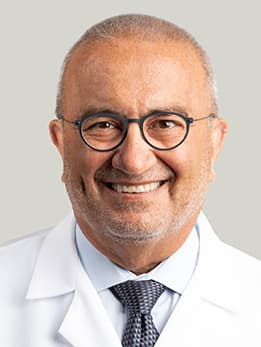
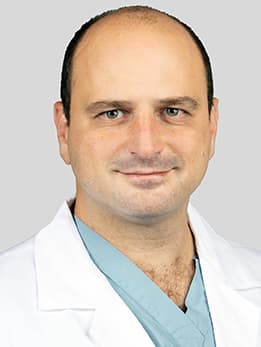
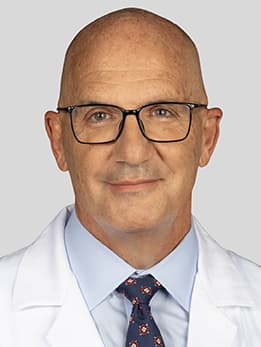
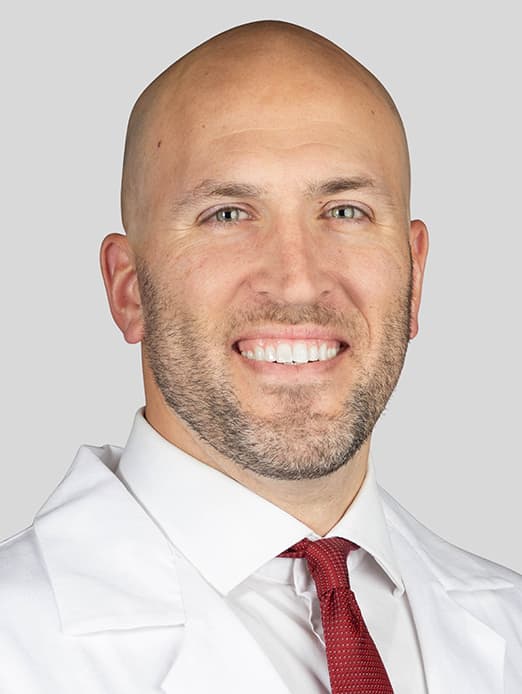
Our Specialists
Request an Appointment
We are currently experiencing a high volume of inquiries, leading to delayed response times. For faster assistance, please call 1-773-702-2123 to schedule your appointment.
If you have symptoms of an urgent nature, please call your doctor or go to the emergency room immediately.
* Indicates required field