
‘I am truly grateful’: Endometriosis care, fertility treatment make motherhood possible
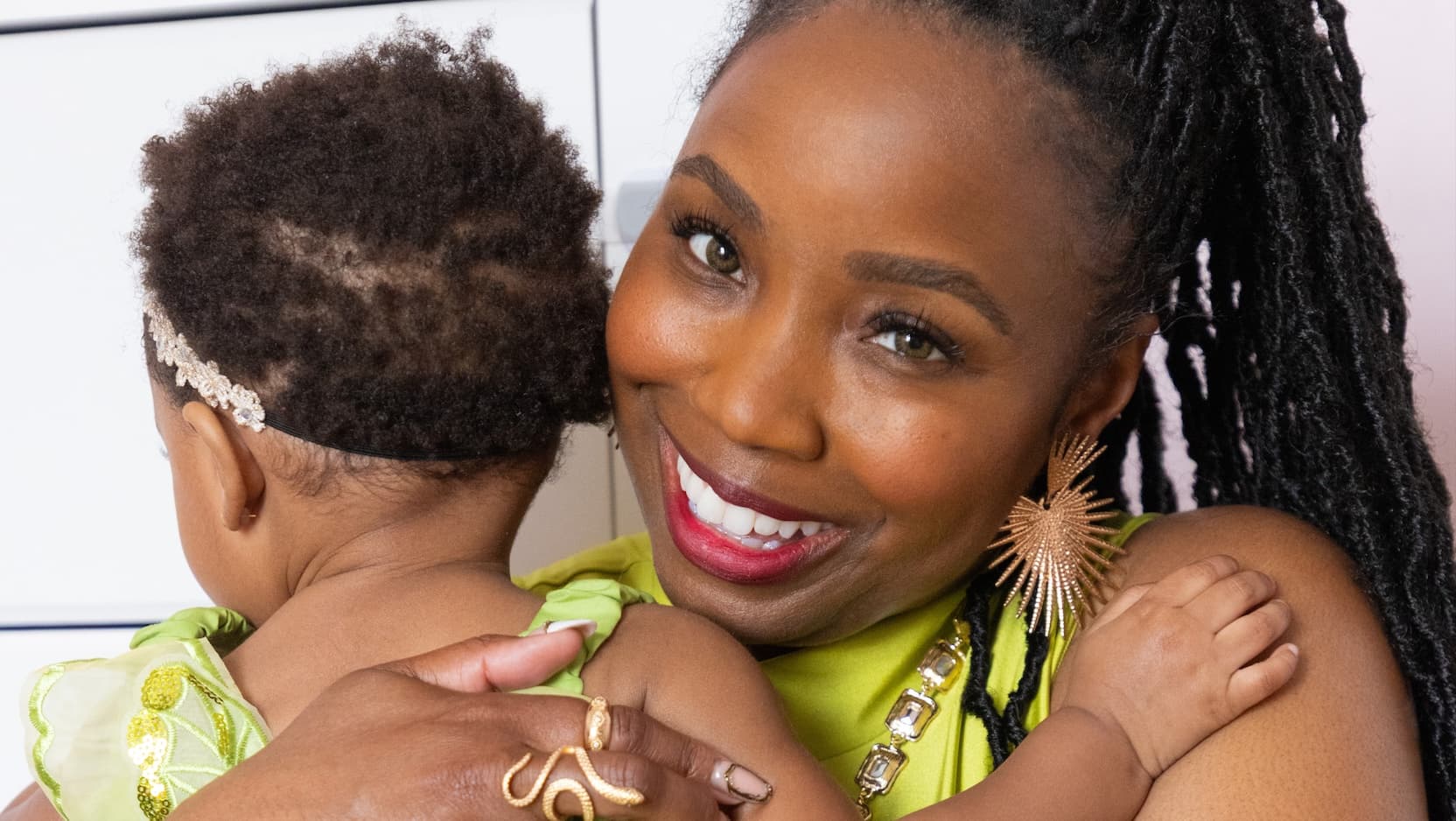
Kiki Battle struggled with chronic pain for 15 years, relying on prescription-strength ibuprofen to get through the day. She often experienced cramping, heavy bleeding and fatigue.
“I literally would sometimes take a hot water bottle and put it on my stomach while driving to the office,” Battle said. “It impacted my daily life.”
Finally, at age 30, Battle learned the culprit: endometriosis, a complex inflammatory disease.
Endometriosis is caused by tissue similar to the lining of the uterus growing on other parts of the body, such as the ovaries, fallopian tubes and bladder. Symptoms include painful periods, pelvic pain and pain during sexual intercourse.
Infertility is also a risk. That’s because inflammation can impact egg quality and cause scarring, making it difficult for sperm and eggs to connect.
“When endometriosis continues to go unchecked, it can have potential long-term impact on the reproductive organs,” said Laura A. Douglass, MD, a gynecologic surgeon at the University of Chicago Medicine.
Battle tried for years to conceive a child, and she didn’t feel that her physical pain was taken seriously elsewhere.
But with expert care from trusted UChicago Medicine endometriosis and fertility experts, Battle was able to take control of her health and realize her dream of becoming a mother.
Why endometriosis is tough to diagnose
Even though endometriosis affects one in 10 reproductive-age women, it can be hard to diagnose.
Many of its symptoms overlap with other diseases, such as pelvic inflammatory disease, adenomyosis, fibroids and primary dysmenorrhea (painful periods).
Further complicating matters, Douglass said, is the false belief that Black women have higher pain tolerances, which can lead to their pain being dismissed. They are also less likely to be diagnosed than white women, she said, allowing the disease to progress before a diagnosis.
Battle recalled that scenario when she sought care in her younger years.
“I felt like in the early stages of sharing my symptoms, people tried to make it seem like maybe I was making it up or the way I was describing it wasn’t accurate,” she said. “I was like, ‘No, I really am having this pain.’”
At UChicago Medicine, specialists in gynecology, minimally invasive surgery, fertility and pain management collaborate to meet the unique needs of each patient.
“When you have physicians who are passionate about these highly specific, challenging areas of women’s health, you get that expertise and phenomenal care,” Douglass said. “We seamlessly work together.”
Pelvic imaging tools — including transvaginal ultrasound and pelvic MRI — can help detect advanced endometriosis. UChicago Medicine also offers augmented dynamic pelvic ultrasound, an advanced technique shown to be superior to regular ultrasound when diagnosing and assessing endometriosis.
To make a definitive diagnosis, doctors perform laparoscopic surgery that involves inserting a camera into the abdomen. Endometrial and scar tissue can be removed during this time, as long as they aren’t too close to vital organs like the bowel or bladder, which can help improve the chances for pregnancy.
In addition to surgery, treatments for endometriosis include pain management, physical therapy, behavioral support and hormone therapy.
Personalized care, from surgery to fertility
Battle tried fertility treatments for several years at a private clinic before seeking care at UChicago Medicine. After embryo transfers did not work, fertility specialist A. Musa Zamah, MD, PhD, referred Battle to Douglass in 2023 for laparoscopic surgery.
“She had a more challenging than average case,” Zamah said. “Endometriosis was causing her infertility, making her not respond to fertility treatments and impeding effective implantation, even when we got good embryos from IVF treatment.”
About 30% to 50% of women with endometriosis face fertility issues, but treatment approaches vary.
They can include advanced diagnostics, hormone therapy and minimally invasive surgery, with guidance from board-certified fertility specialists. When needed, maternal-fetal medicine experts can assist with high-risk pregnancies.
“We don’t just use the same fertility protocol for everybody,” Zamah said. “Particularly for patients with situations like recurrent IVF failure or endometriosis, individualization of treatment plans is important for optimal outcomes.”
After laparoscopic surgery, patients may be prescribed several weeks of hormone therapy, such as progestin or birth control pills, to help quiet the hormones that cause endometriosis before starting fertility treatments such as in vitro fertilization (IVF) or intrauterine insemination (IUI).
“Patients need to heal after surgery, but you don’t want them to wait too long,” Zamah said. “If you can do fertility treatments within three or four months, that’s often considered ideal.”
Starting her motherhood journey
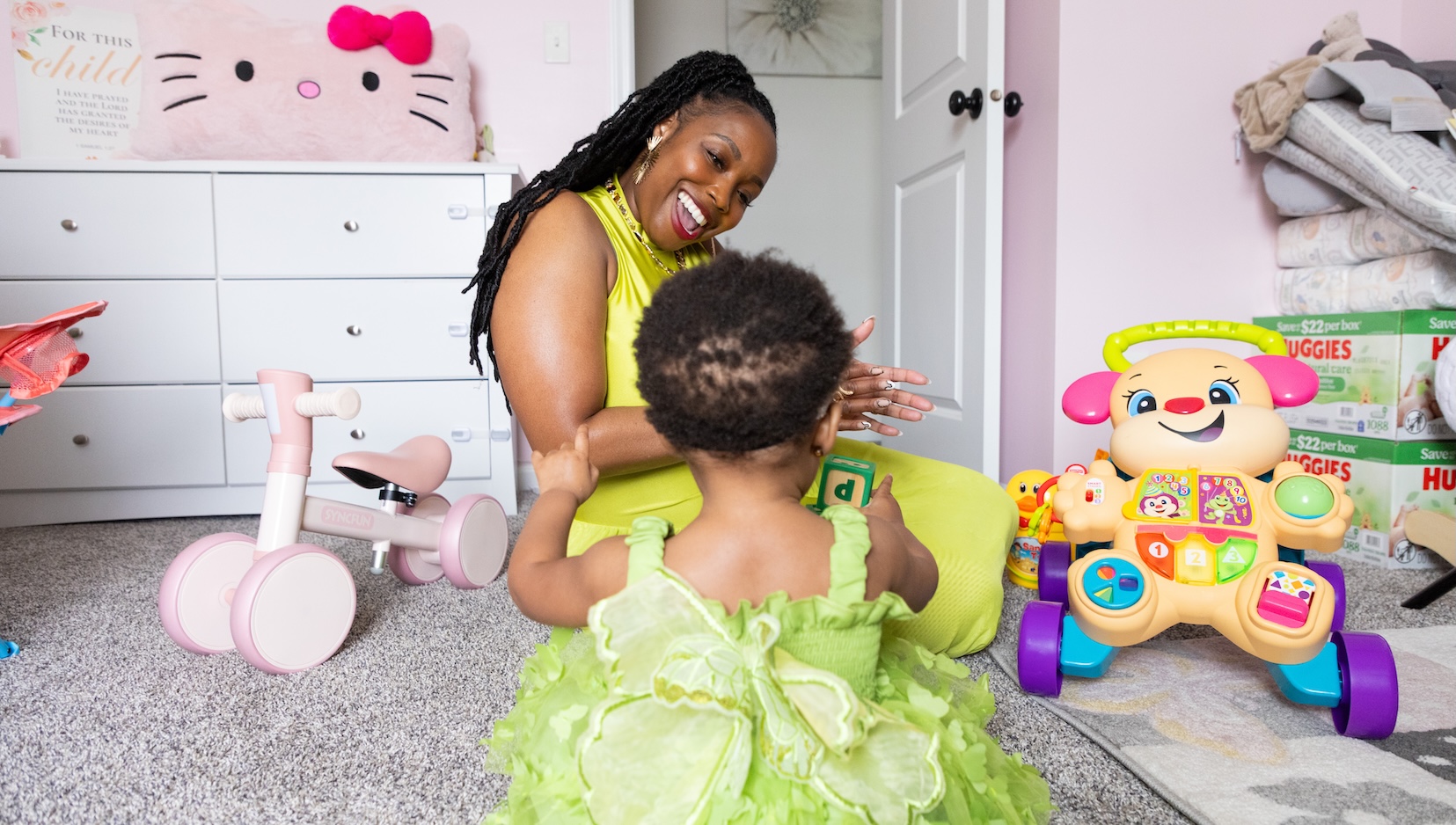
Battle’s second IVF treatment after surgery resulted in her delivering a healthy, full-term baby girl at UChicago Medicine. She feels blessed that she’s now living the days that she prayed for.
“You have to keep trusting and believing in the process,” Battle said. “I was determined.”
She says women with endometriosis should know their options for family building, ensure their voices are heard and seek additional opinions if they feel overlooked.
“At the end of the day, I have my baby,” Battle said. “I am truly grateful to God for that, and I’m also grateful for the doctors who helped me go through this journey.”
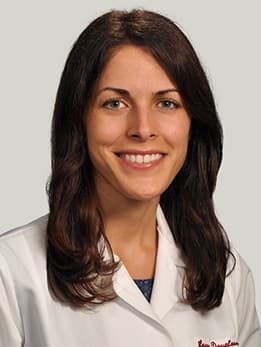
Laura A. Douglass, MD
Gynecologic surgeon Laura A. Douglass, MD, is the director of the Transabdominal Cerclage (TAC) Program. In addition to TAC surgery, she also has advanced expertise in robotic, laparoscopic and hysteroscopic procedures.
Learn more about Dr. Douglass
Obstetrics and Gynecology
Experts at the University of Chicago Medicine provide a full spectrum of general and specialized obstetrics and gynecology services, from preventive wellness exams and prenatal care to minimally invasive surgery and high-risk pregnancy care.
Learn more about our obstretric and gynecology services