
How endometriosis affects your body and what you can do about it

Endometriosis is a complex, often painful condition that happens when tissue similar to the lining in the uterus grows on other parts of the body, including the ovaries and fallopian tubes.
Unlike uterine lining, which is shed during a menstrual cycle, endometriosis tissue remains, which can cause inflammation, cysts and scar tissue formation.
Endometriosis affects as many as 1 in 10 women, and it often goes undiagnosed for years. That’s because symptoms can vary greatly — and they may overlap with other conditions.
Knowing the signs and symptoms is key to getting a correct diagnosis. The University of Chicago Medicine offers expert care with top endometriosis specialists, advanced imaging, personalized treatment plans and convenient appointments across Chicagoland.
Here are common questions we receive from patients:
What are common early signs and symptoms of endometriosis?
Endometriosis is a systemic disease that may affect your nervous system, your sleep and how often you have to go to the bathroom, so it can show up in many different ways.
Early signs include:
- Very painful or heavy periods
- Pelvic pain
- Uncomfortable bowel movements
- Constipation or diarrhea
- Painful intercourse
- Urinary frequency or urgency
It can be normal to experience some cramping during your period. But if pelvic pain is so much that you are changing your life based on your cycle, then it could be endometriosis.
Likewise, if intercourse is painful or each bowel movement hurts, contact your gynecologist — especially if those issues happen in conjunction with painful periods.
Do endometriosis symptoms vary from person to person?
Endometriosis is a highly variable disease on a spectrum. For many people, endometriosis can be a major burden that affects their physical and mental health. But for others, it can be asymptomatic. Others may find out they have it only if they experience fertility issues.
What endometriosis symptoms can be mistaken for something else?
Endometriosis symptoms overlap with those of many other conditions, including:
- Fibromyalgia
- Irritable bowel syndrome
- Painful bladder syndrome
- Pelvic floor dysfunction
We don’t know the exact genetic link, but we know that patients with endometriosis are much more likely to have concurrent diagnoses of fibromyalgia, IBS, uterine anomalies, and/or autoimmune diseases.
People diagnosed with these issues often find their treatment isn’t working, or something else just isn’t adding up. That’s often when they come to us.
When should someone see a doctor about possible endometriosis symptoms?
People who have pain with their period, bowel movements and/or intercourse that affects their quality of life should visit a physician for evaluation.
It’s important to track your symptoms. When patients come in, it is very helpful to know what issues they are experiencing and how long they have experienced them. Having that information readily available helps with diagnosis.
How is endometriosis diagnosed?
We listen to a patient’s symptoms, perform an exam and can use pelvic imaging tools to learn more about their situation. Options include:
- Transabdominal and transvaginal ultrasound: Standard methods to visualize pelvic organs and provide closer, more detailed images of the uterus and ovaries.
- Augmented pelvic ultrasound (APU): Minimally-invasive, cost-effective form of transvaginal ultrasound to help detect deep, superficial and ovarian endometriosis and scar tissue in the pelvis — conditions that can often be missed with standard imaging.
- Pelvic and abdominal MRI: Detailed, cross-sectional images of pelvic and abdominal structures help identify endometriosis lesions and guide treatment, especially in complex cases.
Still, in the vast majority of cases, we do not find any signs on imaging. Endometriosis is a complex condition, and we are conducting research to look at better ways to diagnose it.
How is endometriosis treated?
Endometriosis is treated as a chronic condition — we cannot cure it.
UChicago Medicine offers comprehensive care for endometriosis-related pain, starting with over-the-counter medications for mild cases and advancing to specialized options that include physical therapy, behavioral support and neuropathic pain management with the support of our Pain Medicine Clinic.
Hormone therapy is a common strategy to reduce symptoms, tailored to your health goals and family planning needs. When those options are insufficient, minimally invasive surgery — such as laparoscopic or robotic procedures — may be recommended to remove lesions and improve fertility.
Our expert team works closely with you to find the best personalized treatment plan.
Does endometriosis affect fertility and my ability to get pregnant?
It’s the first question many women ask. Approximately 30% to 50% of people diagnosed with endometriosis will have fertility issues. Many patients get pregnant without intervention.
Still, endometriosis can interfere with your ability to become pregnant, especially if lesions grow on or around your ovaries or cause scarring. If you’re trying or hope to conceive, laparoscopic surgery may make it possible to leave your uterus intact and improve your chances for pregnancy.
If someone has endometriosis, will they need to have a hysterectomy?
In some cases, a hysterectomy — the removal of your uterus and/or ovaries — might be advised, with a focus on safety and quicker recovery.
Hysterectomy is not a cure for endometriosis. It can improve painful periods, but it won’t cure the condition. We know patients with certain subtypes of the condition do better with surgery, but it all depends on the individual and their goals.
What other myths about endometriosis do you hear often?
Many patients think that if they have bowel symptoms, the disease has infiltrated into their bowels. That’s usually not true. And since every patient situation is complex and unique, often information that they find on social media may be incorrect.
What works for someone else might not work for you. That’s why it is important to talk with a gynecologist about your unique situation and the treatment options that are available.
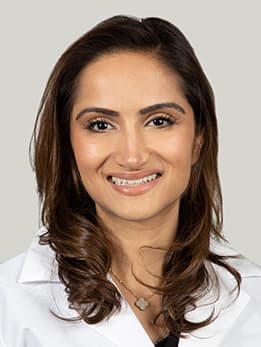
Farah Alvi, MD
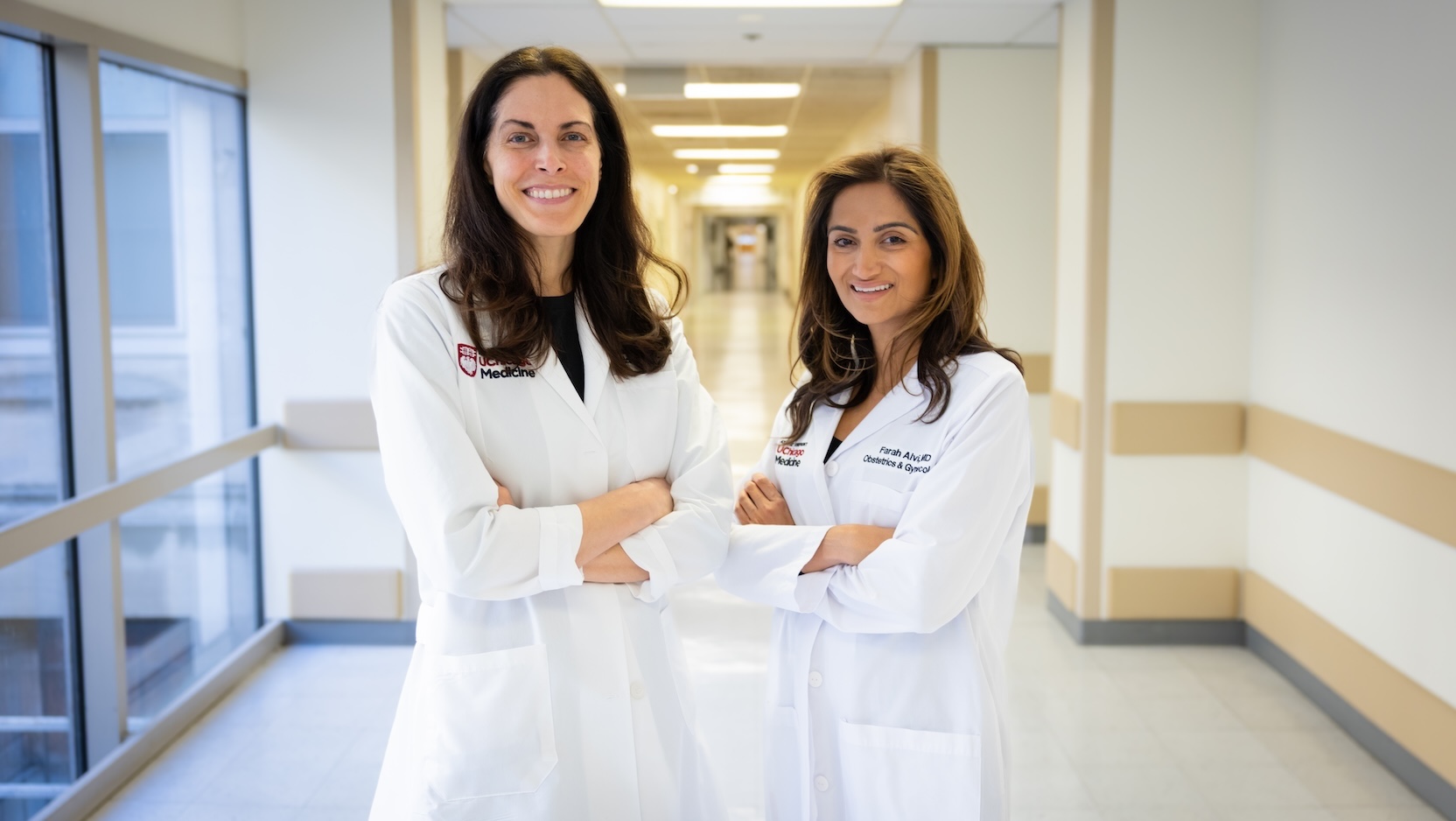
Farah Alvi, MD, is fellowship-trained in minimally invasive gynecologic surgery and board-certified in obstetrics and gynecology.
Learn more about Dr. Alvi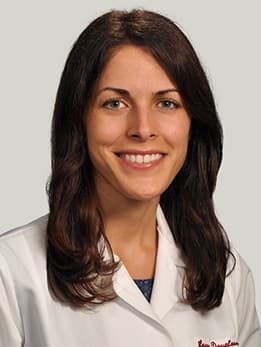
Laura A. Douglass, MD
Gynecologic surgeon Laura A. Douglass, MD, is the director of the Transabdominal Cerclage (TAC) Program. In addition to TAC surgery, she also has advanced expertise in robotic, laparoscopic and hysteroscopic procedures.
Learn more about Dr. Douglass
Obstetrics and Gynecology
Experts at the University of Chicago Medicine provide a full spectrum of general and specialized obstetrics and gynecology services, from preventive wellness exams and prenatal care to minimally invasive surgery and high-risk pregnancy care.
Learn more about our obstretric and gynecology services