
Illinois’ first quadruple-organ transplant of its kind saves UChicago Medicine patient with cystic fibrosis
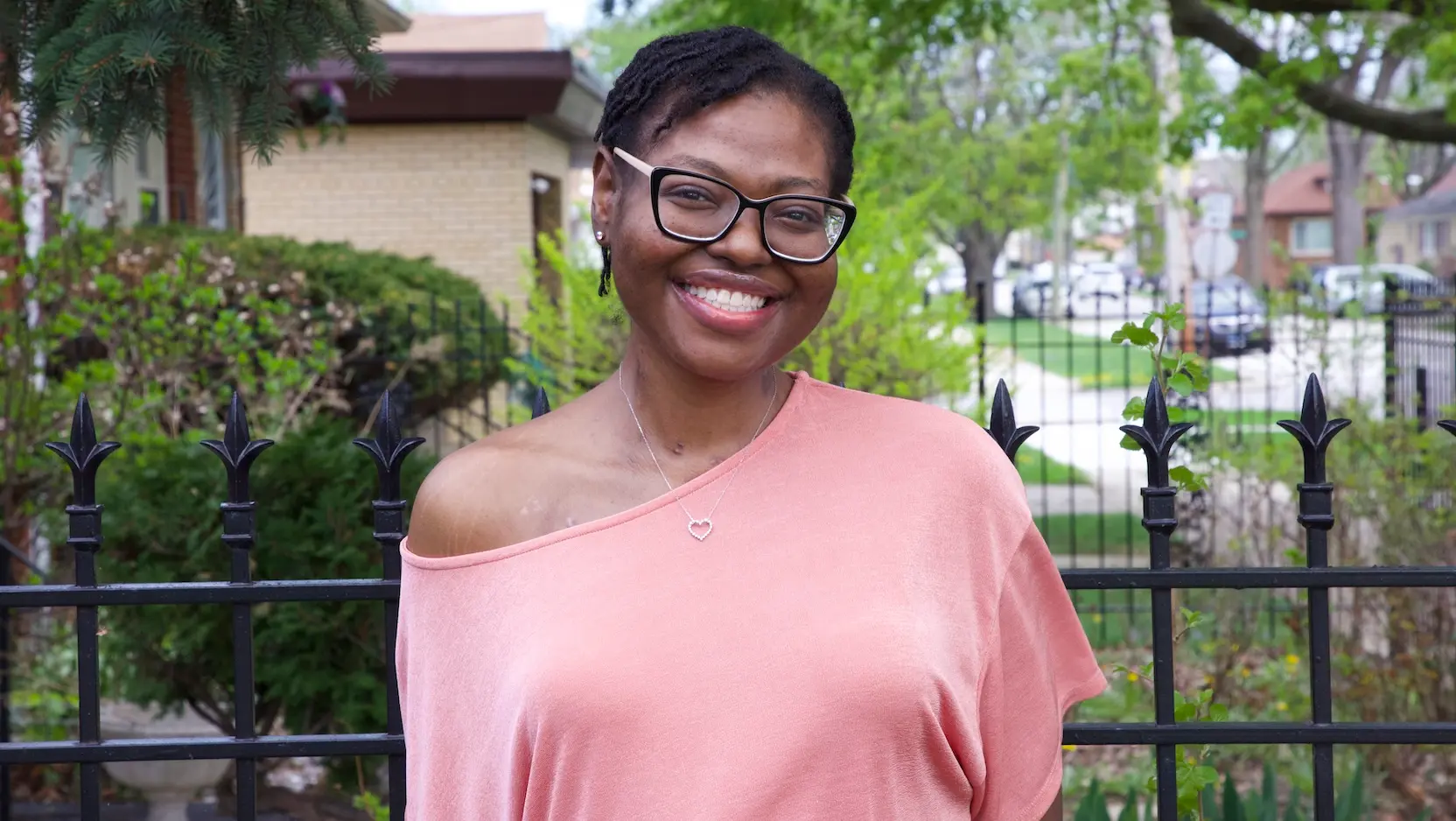
Just over a year ago, Jasmine Jones was found half-conscious in her bedroom by her mother.
She was rushed to the hospital, where tests revealed her liver was failing.
It was the culmination of a lifetime spent battling cystic fibrosis (CF), a genetic disease where the body makes abnormally thick, sticky mucus that clogs the lungs and digestive system. The blockage makes it tough to breathe, digest food and absorb nutrients.
Diagnosed with CF as a baby, Jones had a typical childhood with the help of medications and specialized care at the University of Chicago Medicine Cystic Fibrosis Center.
“There wasn’t any activity that was off-limits for me as a kid,” said Jones, now 28.
That started to change in her late teens, as it does for many CF patients: Excess mucus in her lungs trapped bacteria, causing chronic infections, inflammation and scarring.
Jones’ CF also affected other organs, including her pancreas, which was unable to produce enough insulin to control her blood sugar. In 2016, she was diagnosed with CF-related diabetes after losing consciousness several times in college.
But it wasn’t until recently that her condition became life-threatening.
Transplant surgery for cystic fibrosis relief
Jones was told by her doctors that it was time to consider a liver transplant.
Liver secretes bile through very small ducts, and these ducts get plugged up because the bile is too thick in CF patients, worsening of liver disease.
Thanks to CFTR modulators — new medications that thin mucus and make it easier to clear — fewer CF patients require lung transplants. But it remains uncertain whether the medications also protect the liver. (Jones was unable to tolerate modulators.)
Jones didn’t feel ready for surgery, and she spent much of 2025 bouncing in and out of the hospital. Her eyes were yellow from jaundice, her kidneys began to fail, and her body became swollen.
Still, last Christmas, Jones fulfilled a wish before surgery: participating in her family’s annual photo shoot. She was hospitalized the next day to prepare for a new liver, as well as a kidney.
But doctors were concerned the drug-resistant bacteria in her diseased lungs could spread to her donor organs after surgery, so they proposed transplanting the left and right lungs as well.
“We needed to remove both lungs to eliminate the probability of that hard-to-treat bacteria creating problems afterward when her immune system was suppressed,” said UChicago Medicine thoracic surgeon Pablo Sanchez, MD, PhD.
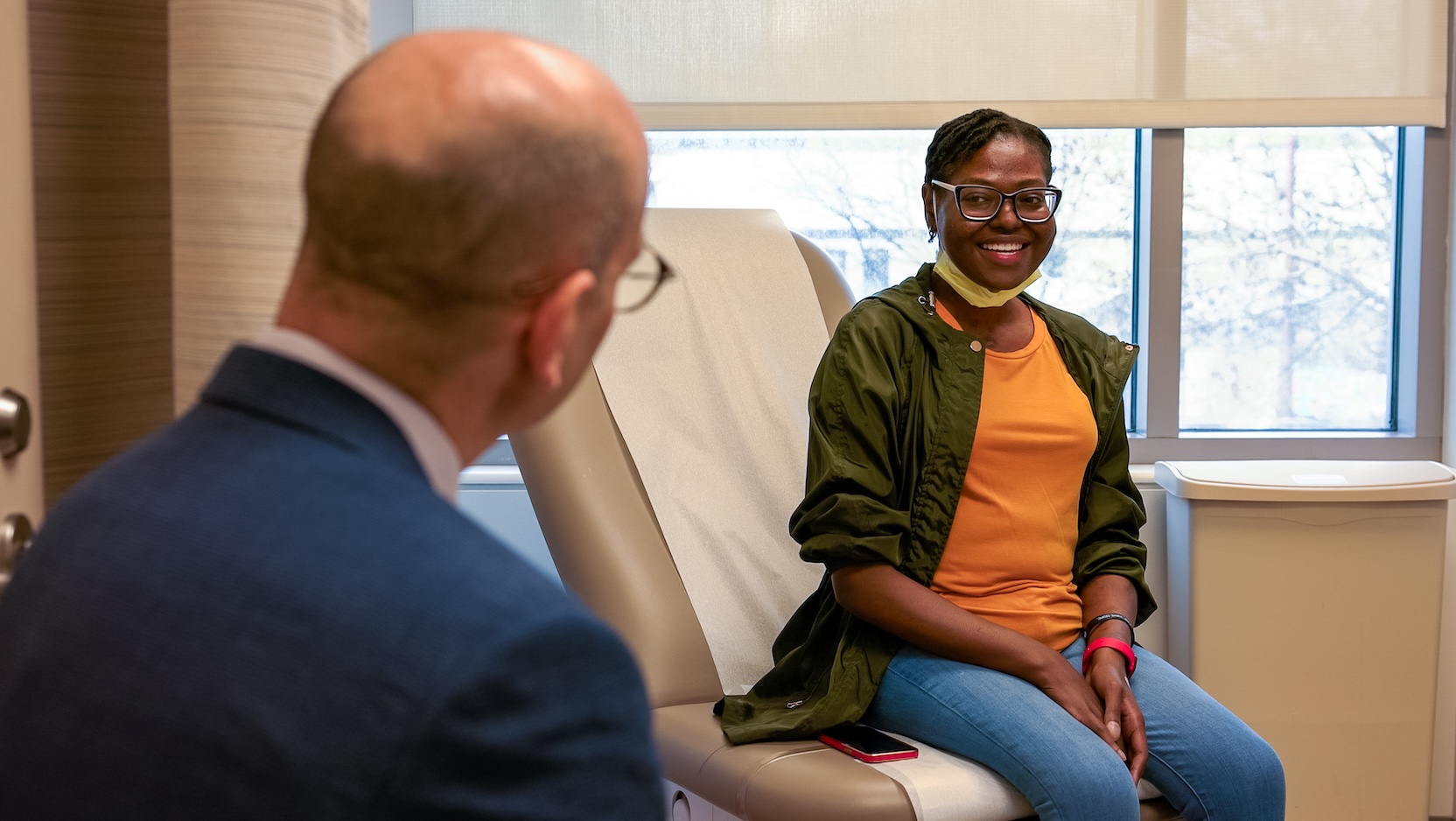
Marathon surgery marks a milestone
Jones’ hospital room became a hive of activity as care teams began planning the 36-hour surgery — the first known quadruple transplant of its kind performed in Illinois, and only the sixth in the United States, according to the United Network for Organ Sharing.
Surgeons at the UChicago Medicine Transplant Institute were ready.
The institute, which seamlessly manages and coordinates care for complex transplant patients, has performed the most triple-organ transplants in the world.
“It’s second nature at UChicago Medicine to work in big teams and across medical specialties,” said Rolf Barth, MD, a transplant surgeon and the institute’s co-director. “The number of people involved in Jasmine’s case, from work-up to approval to surgery ... these are efforts that even centers doing complex cases can’t accomplish.”
On Jan. 5, Sanchez began Jones’ surgery by removing both of her ailing lungs. He washed her chest cavity with a powerful antibiotic and then placed each donor lung in position.
Then, Barth implanted the donor liver, which had been kept viable using a special device that pumped warm, oxygen-rich blood through the organ as it awaited transplantation.
Doctors wanted to allow Jones’ body to recover before transplanting her kidney, so they temporarily closed her stomach and brought her to the ICU for a day.
The next morning, kidney and liver transplant surgeon Ashley Suah, MD, implanted the donor kidney.
“Jasmine’s body had been through so much, but she handled every challenge incredibly well,” Suah said.
‘A chance to live’
Jones spent six weeks in the hospital and several weeks at an inpatient rehabilitation facility.
Today, she takes immunosuppressant medications to ensure her body accepts her new organs. She also goes to outpatient rehabilitation sessions and doctors' appointments. Her pancreas is being monitored in case it eventually needs to be replaced as well.
“I have a pretty amazing team of people,” said Jones, a South Side resident.
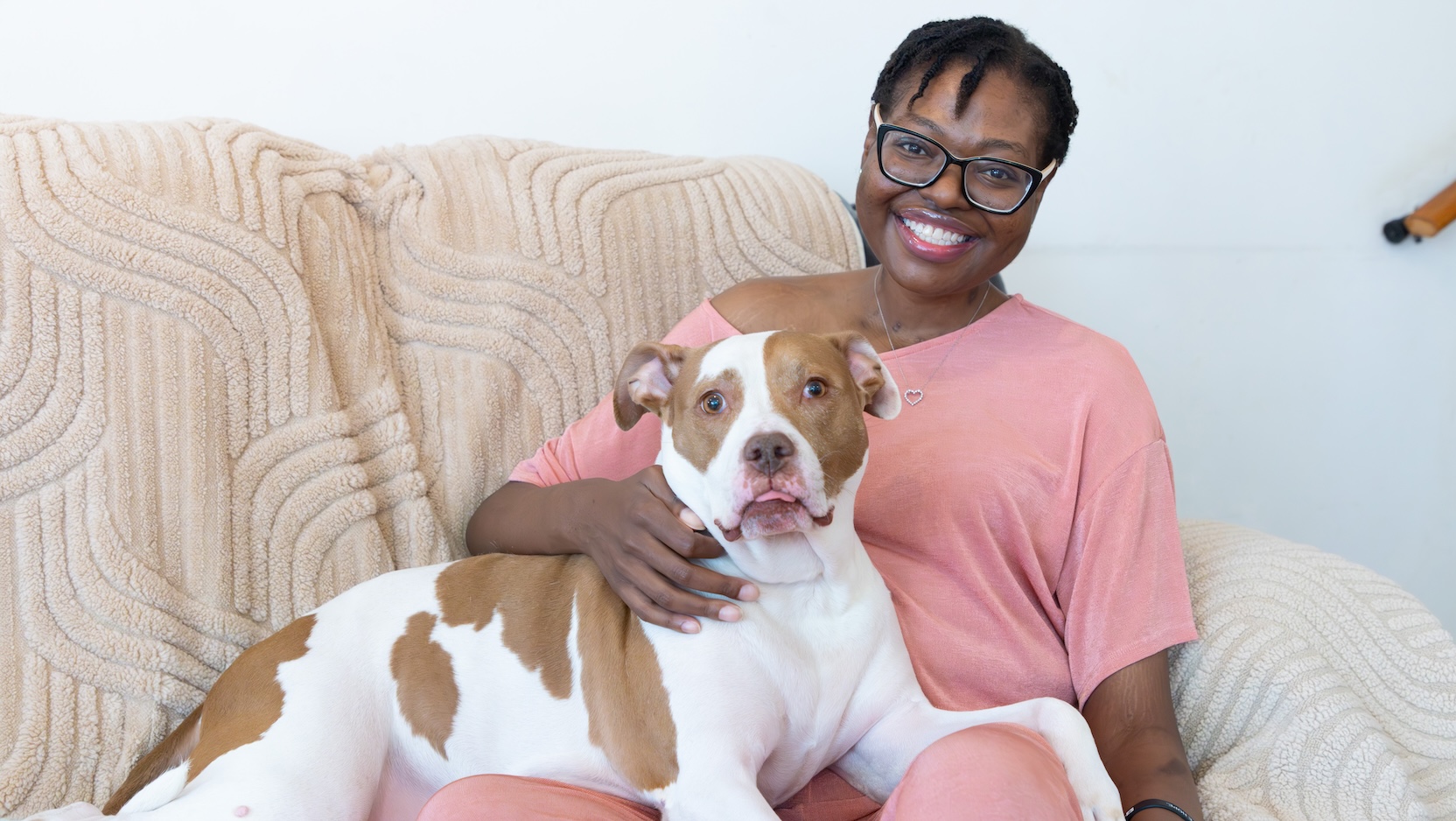
Even with a busy schedule, Jones says her energy levels are returning. She says she now wakes up “ready to do something,” as opposed to just being sleepy and wanting to rest.
Best of all, her new organs are free of CF.
Excited to return to work and the gym, Jones thinks daily of her donor — a person who, in death, gave a remarkable gift of four healthy organs.
“If I could talk to my donor, I would say ‘thank you,’” Jones said. “Thank you for giving me a chance to live a life I didn’t know was possible for me. Thank you for giving me you, essentially. I’m forever grateful.”
Leaders in Organ Transplantation
Our transplant surgeons are among the best in the world. They have conducted thousands of procedures, earning national and international recognition for their expertise and research.
Learn more about our transplant team