
What every man should know about BPH: Causes, symptoms and when to see a doctor
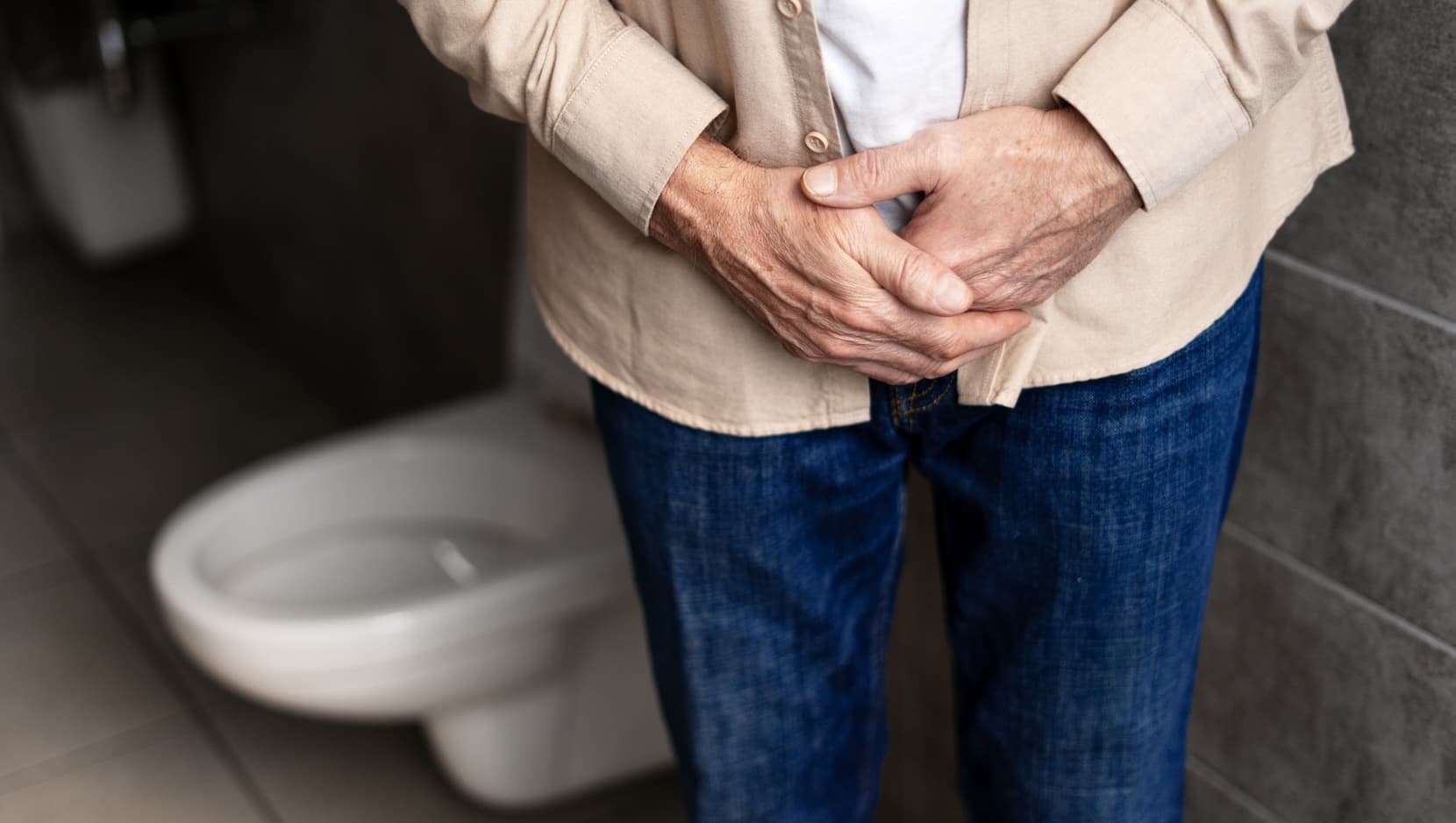
Benign prostatic hyperplasia (BPH), the enlargement of the prostate gland, is highly common among older men, and it can lead to a variety of urinary symptoms that may affect quality of life.
The prostate sits just below the bladder and surrounds the urethra, the tube that carries urine out of the body. When enlarged, it can press on the urethra and partially block urine flow — causing difficulty urinating, weak stream, frequent bathroom trips (especially at night) and sometimes discomfort.
Even mild symptoms of BPH should not be ignored. Getting timely evaluation and treatment is key.
Here are some common questions about BPH I receive from my patients:
What is BPH, and how common is it among men?
BPH is the noncancerous enlargement of the prostate gland that happens in men as they age. This is extremely common; it usually begins after age 40.
By age 50, about half of men will have some degree of prostatic enlargement. The odds increase with age: Up to 80% of men will experience BPH by age 80.
What are the typical symptoms of BPH?
Since the enlarged prostate is pressing on the urethra, the symptoms of BPH are mostly urinary and can range in severity. The signs include:
- Frequent urination (day and/or night)
- Weak or slow urine stream
- Difficulty starting urination, as well as stopping and starting flow
- Feeling that the bladder does not empty completely
- Painful urination
- Sudden, severe urge to urinate
In more advanced cases, patients may experience loss of bladder control, including urine leakage during the day or urinary accidents at night.
How is BPH diagnosed?
Diagnosing BPH starts with a clinical evaluation that involves taking a detailed history from the patient and giving them questionnaires, such as the International Prostate Symptom Score (IPSS) to measure the severity of BPH symptoms and how much they affect quality of life.
Then, we perform a physical exam, including a digital rectal examination, to assess the size and texture of the prostate. Additional tests may include a urinalysis to rule out infection or blood in the urine. Blood tests may also be ordered in certain situations, such as checking kidney function or measuring prostate-specific antigen (PSA) levels when appropriate.
In some cases, we will do an ultrasound of the prostate or a urine flow study.
What causes BPH? Are there any risk factors?
There is no single trigger that causes BPH. It gradually develops due to hormonal changes, particularly in testosterone, as we age. Additional risk factors can include a family history of BPH, obesity, diabetes, cardiovascular disease and a sedentary lifestyle.
What complications can happen if BPH is left untreated?
Untreated BPH can lead to more serious conditions, including urinary retention (the complete inability to urinate), urinary tract infections, recurrent blood in the urine, bladder stones and bladder muscle weakening, which can make it harder for the bladder to empty properly.
In advanced cases, longstanding blockage can place pressure on the kidneys and may lead to kidney damage. Not everyone develops complications, but worsening symptoms should not be ignored.
Can BPH affect sexual health or urinary function long-term?
BPH itself does not directly cause erectile dysfunction. But patients with severe or longstanding urinary symptoms may be more likely to experience sexual difficulties. This is often related to reduced quality of life, sleep disruption from nighttime urination, stress or shared health conditions such as diabetes or cardiovascular disease.
If BPH is left untreated and symptoms continue to worsen, it can also affect urinary function over time. Ongoing blockage can weaken the bladder muscle and make it harder to empty the bladder completely, which may lead to persistent urinary problems.
What can I do to help manage BPH symptoms?
There are many lifestyle changes that often work well for patients with BPH. Many men with BPH can improve their symptoms with simple lifestyle changes:
- Reducing intake of caffeine and alcohol (they can irritate the bladder)
- Avoiding fluids close to bedtime to reduce nighttime urination
- Maintaining a healthy weight
- Staying physically active
We also advocate for bladder training and “timed voiding,” which involves going to the bathroom on a regular schedule (for example, every 2 to 3 hours) rather than waiting until the urge becomes strong. Over time, this can help improve bladder control and reduce urgency.
There are over-the-counter supplements marketed for BPH, but there’s limited evidence that they work. Talk to your doctor before trying any of them.
What medications are available for BPH, and what are their potential side effects?
For men with mild to moderate BPH symptoms, we can prescribe medications to help improve urine flow. These generally work in two ways:
- Relaxing the muscles in the prostate and bladder neck to make urination easier
- Shrinking the prostate over time to reduce blockage
These options are often very effective, but they may have some side effects, including dizziness or slight drop of blood pressure, and some sexual side effects. Your doctor can help find the right medicine for you.

When should I see a urologist for BPH?
Consult a urologist if your symptoms are worsening or not responding to medications, or if complications start to happen — like sudden inability to urinate, recurrent urinary tract infections or recurrent blood in the urine.
Early evaluation can help prevent more serious problems and ensure the best treatment for your symptoms.
What are the surgical treatment options for BPH?
There is a wide array of procedures to treat BPH. Many of them are outpatient, and they can provide fast recovery with minimal effect on sexual function.
If BPH symptoms are severe, don’t improve with medications or cause complications, a urologist may recommend surgery or minimally invasive procedures to remove or reduce part of the prostate. These treatments help relieve blockage and improve urine flow.
- Transurethral resection of the prostate (TURP): The traditional procedure where part of the prostate is removed through the urethra.
- Laser procedures (HoLEP, GreenLight): Lasers remove or vaporize excess prostate tissue with less bleeding and faster recovery.
- Aquablation therapy: A newer, minimally invasive procedure that uses a high-pressure water jet to remove prostate tissue precisely. It is robotically guided, fast and preserves surrounding tissue, which can help reduce sexual side effects compared with some other surgeries.
- Minimally invasive treatments (UroLift, water vapor therapy/Rezum): These lift, compress, or shrink prostate tissue without removing it, often with quicker recovery and fewer side effects.
- Robotic prostatectomy: Used for very large prostates; tissue is removed through an incision.
Recovery time and risks vary, but most men notice significant improvement. Your urologist can help choose the option that is safest and most effective for your situation.
How can men tell the difference between BPH symptoms and prostate cancer?
BPH and prostate cancer can sometimes cause similar changes in the prostate, but the two conditions are different. Many men with prostate cancer do not have any urinary symptoms.
Symptoms alone are not enough to tell the difference, so men should discuss prostate cancer screening and evaluation with their doctor. Most men are advised to begin PSA screening around age 50, or at age 45 if they are considered high-risk.

Mahmoud Khalil, MBBCh
Mahmoud Khalil, MBBCh, specializes in managing both benign urologic conditions and urologic cancers. His expertise includes skill in medical and surgical treatments for complex kidney stones and benign prostate enlargement.
Discover more about Dr. KhalilUrology Services
Urologists at the University of Chicago Medicine provide treatment for a wide variety of urologic conditions in men and women. We believe in developing and using innovative and comprehensive treatments that safeguard your quality of life by preserving normal urinary and sexual function.
Learn more about our urology care.