
How to find a geriatrician: 10 questions older adults and loved ones should ask

Geriatricians are doctors who focus on caring for older adults, typically age 65 and up. They’re especially helpful to people with memory or mobility challenges, who manage a lot of medications or see multiple doctors.
At the University of Chicago Medicine South Shore Senior Center — which focuses exclusively on aging adults — we are staffed with dozens of board-certified geriatricians and geriatric specialists. They offer all of the services seniors may need, from arranging at-home support services to memory care.
UChicago Medicine has advanced practice providers, neurologists, nurses, social workers, physical therapists, pharmacists and psychiatrists who are specially trained to work with older adults. A team-based model keeps everyone connected and informed.
Contacting a geriatric specialist doesn’t have to be daunting. Here is what I recommend when getting started:
10 questions to ask when looking for a geriatrician
- Are you board-certified in geriatric medicine? This involves specialized training beyond a doctor's internal medicine or family medicine education. They also should have completed one or two years of fellowship training with geriatric patients.
- Do you offer home visits? This can be important for seniors who are homebound or need significant assistance when traveling. UChicago Medicine geriatricians can do home visits within a five-mile radius of the South Shore Senior Center — about as far north as Chinatown and as far south as 103rd Street.
- What role will family or caregivers play? This can vary depending on a patient’s level of independence or cognition. I always like for a family member to be present or call in to make sure what the patient is telling me matches up with what the family sees.
- How do you coordinate with specialists? Many older adults see multiple specialists for different conditions, and they get conflicting information. It’s our job to help patients navigate the system. We organize information from their doctors and reach out to their specialists so we can all be on the same page.
- In what ways do you manage medications? Many older patients take medication they no longer need. I always ask my patients to bring their pill bottles so we can review them to see if there’s anything we can eliminate. I may learn about ones that are not on their list, such as supplements that can have side effects or interact with other medicines.
- Do you support alternative treatments? This comes up a lot with our patients, some of whom prefer holistic treatments. If a supplement they want to take isn’t causing harm, and it doesn’t interact with their medications, then I’m all for it.
- How long are the appointments? Our geriatricians spend more time with patients, anywhere from 30 minutes to an hour, so we can get to know them, assess their health and medications, and help them prepare to age in place and plan for their future.
- Who can help after hours? During a patient’s first visit, I give them a list of the UChicago Medicine support staff they can contact — and an after-hours hotline covered by one of our geriatricians. Someone is available 24/7 for urgent needs and prescription refills.
- Is telehealth an option? Virtual care can help patients who are homebound or need an urgent visit. We try to bridge this with home visits because telehealth can be limiting. Not all patients can check their vitals, for example.
- Can I still see my primary care doctor? Patients who have a long-established relationship often hesitate to contact a geriatrician. They may have both: We can give recommendations to your primary care doctor, or you can come for a few visits with a UChicago Medicine geriatrician and see if you want to switch.
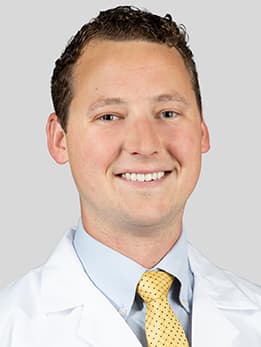
Thomas Haferkamp, MD
Thomas Haferkamp, MD, specializes in geriatric medicine and providing comprehensive primary care for geriatric patients at UChicago Medicine.
Learn more about Dr. Haferkamp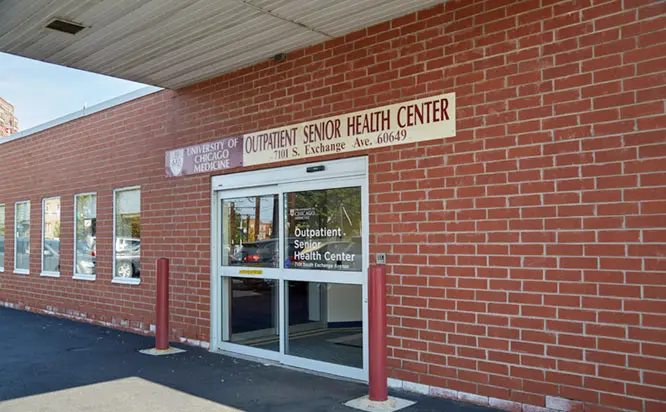
South Shore Senior Center
UChicago Medicine’s South Shore Senior Center offers comprehensive primary and specialty care for adults age 65 and older. We are the only medical center on Chicago’s South Side focused exclusively on the health care needs of aging adults.
Learn more