
Heart-lung transplant saves woman with rare form of pulmonary hypertension
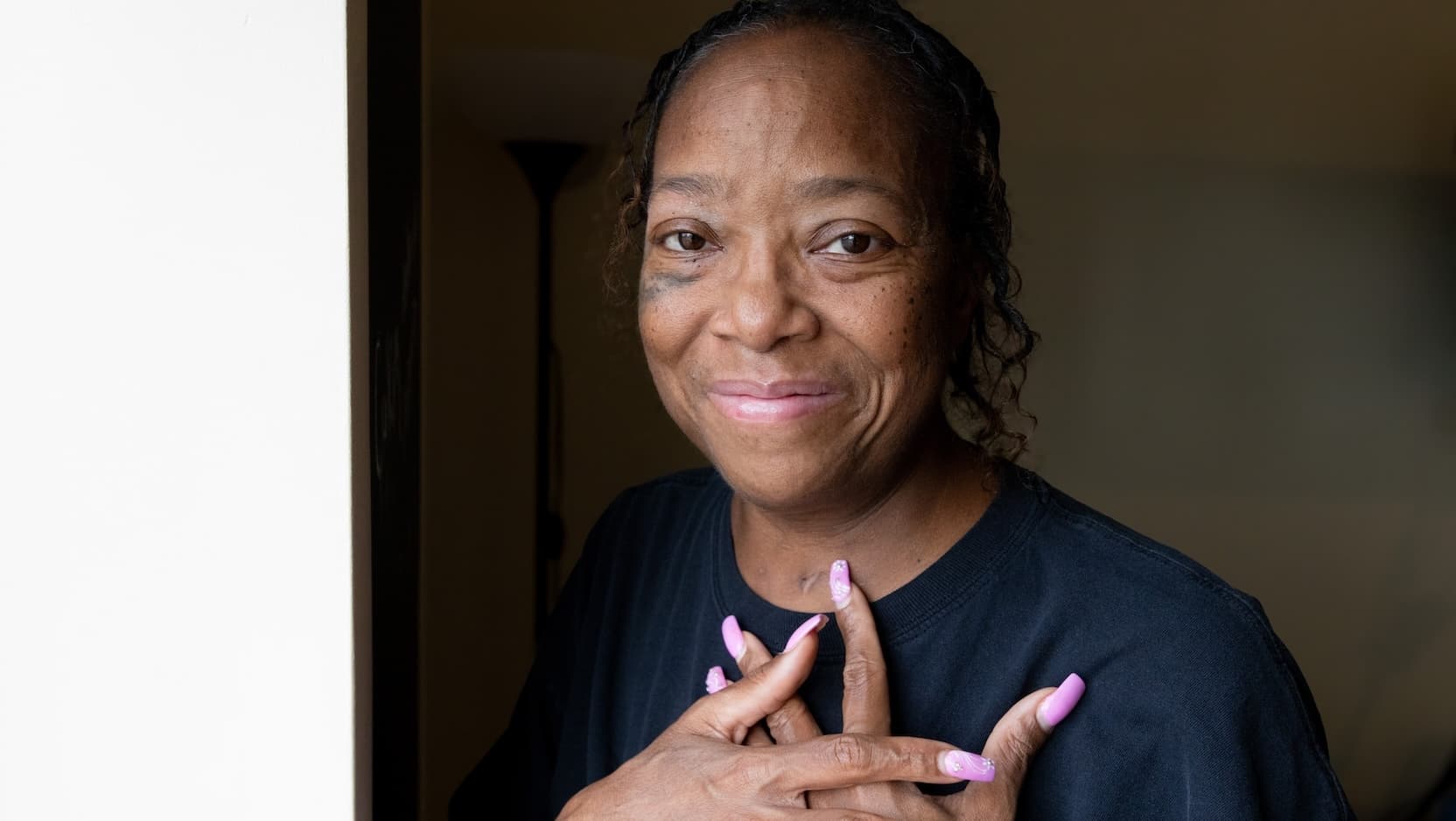
Donna Parks first noticed something was off back in 2014 during everyday tasks like taking out the garbage.
“I was out of breath,” said Parks, now 47, who worked as a rehabilitation caregiver in Detroit at the time. “Something wasn't right; I shouldn't have been tired walking 15 steps to the curb.”
A pulmonologist diagnosed Parks with pulmonary arterial hypertension, or PAH — a serious condition where arteries in the lungs become damaged and narrowed. This makes it harder for blood to flow through the lungs, forcing the right side of the heart to work extra hard.
Over time, this strain can cause the heart to fail, leading to fluid buildup, kidney problems and even death if untreated.
“PAH is one of the rarest but most lethal forms of pulmonary hypertension,” said Manreet Kanwar, MD, a cardiologist and director of the Heart Failure and Pulmonary Hypertension program at the University of Chicago Medicine.
Symptoms of pulmonary hypertension include shortness of breath, fluid retention, fatigue, rapid heartbeat and even loss of consciousness. But many other conditions have these same symptoms, which can make the disease tough to diagnose.
In Parks’ case, doctors couldn’t pinpoint what caused her condition.
Treatment, then transplant surgery
There is no cure for PAH, but medications can slow its progression. Parks was prescribed several drugs, including epoprostenol, to help relax the blood vessels in the lungs. Her symptoms improved at first but worsened over the last two years.
“The numbers weren’t getting better,” Parks said.
By 2025, the left side of Parks’ heart also began to fail. Doctors told her the only option was a heart and lung transplant.
But Parks faced a tough challenge: She was highly sensitized, meaning her immune system had developed many antibodies that made it difficult to find donor organs her body would accept.
Several hospitals considered her too high-risk for transplant, so she turned to UChicago Medicine — one of the few centers in North America experienced in transplants for highly sensitized patients.
“She was essentially walking around in a state of low-grade shock at all times,” said UChicago Medicine pulmonologist Scott Vasher, MD. “It was amazing she felt as well as she did.”
Parks temporarily moved to Chicago, where doctors used plasmapheresis — a treatment that filters a person’s blood to remove the problematic antibodies before and after surgery.
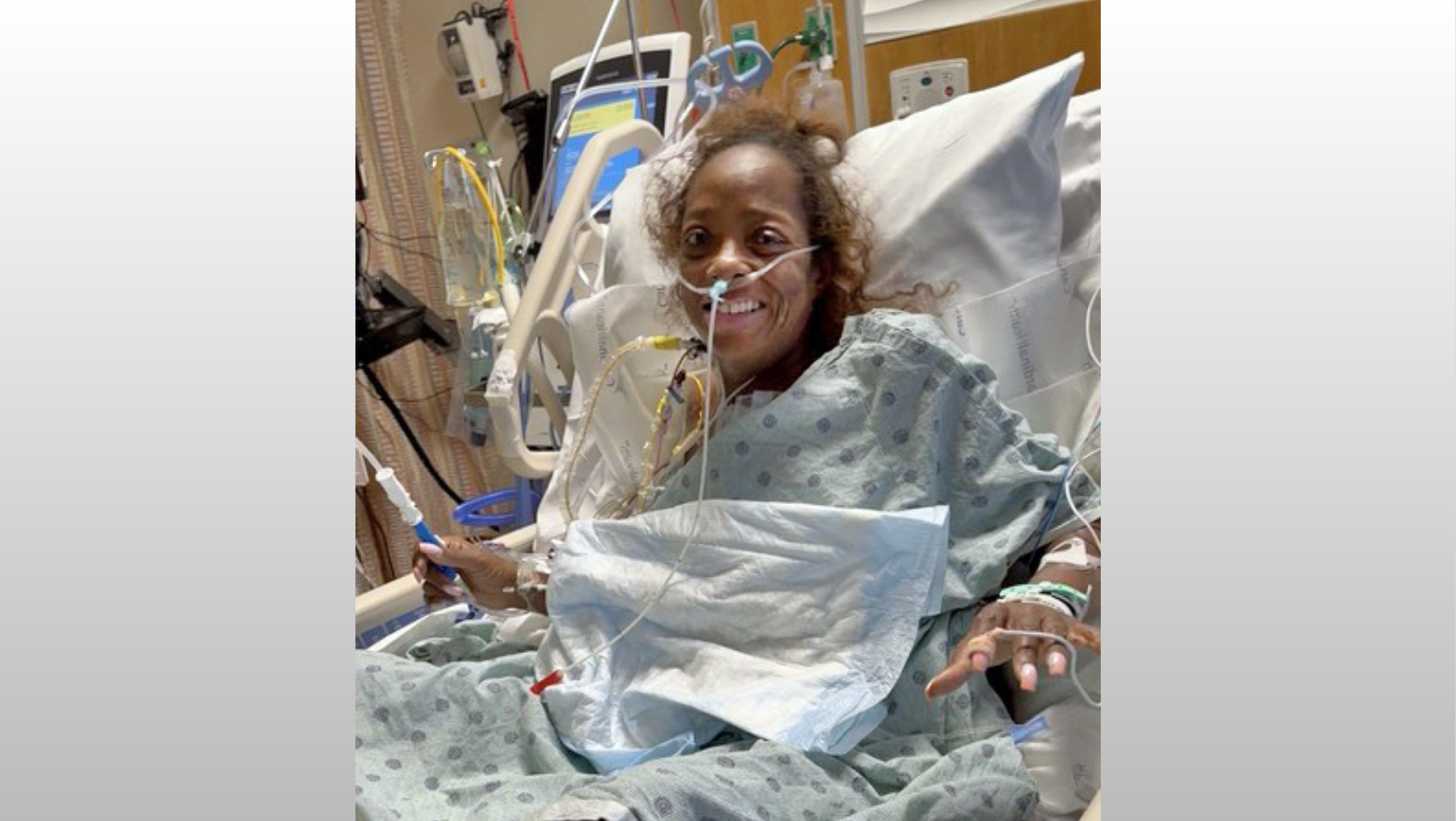
After six weeks in the hospital, Parks got the call last September: A matching heart and lungs were available.
Team effort for double-organ transplant
During the 12-hour operation, Parks was connected to a machine that took over her heart and lung functions. Working together, heart surgeon Valluvan Jeevanandam, MD, and thoracic surgeon Pablo Sanchez, MD, PhD, removed her diseased heart and lungs in one piece.
“It’s a little like changing the engine block of a car,” said Sanchez, the surgical director of UChicago Medicine’s Lung Transplant Program. “You take the whole engine out, and there’s this big empty space.”
The surgeons carefully placed the donor organs and reconnected the trachea, aorta and vena cavas. Parks was gradually taken off the bypass machine, and her chest was closed. She then spent another six weeks recovering in the hospital.
“All aspects of care — the surgery, the preoperative and postoperative care, the immunology — had to work perfectly in unison for a good outcome,” said Jeevanandam, director of the UChicago Medicine Heart & Vascular Center.
“Fortunately, that’s what the UCM team is recognized around the world for: having great results on cases no one else can or is willing to tackle.”
Ready for the road ahead
Today, Parks uses a walker and attends rehab therapy twice a week at UChicago Medicine’s Duchossois Center for Advanced Medicine in Hyde Park.
She’s feeling stronger and looks forward to reducing the many immunosuppressant medications she needs to keep her new heart and lungs healthy.
She is also eager to see her 93-year-old mom — who Parks credits for her tenacity — once she recovers and returns to Detroit.
Parks is grateful to the individuals who consented to donate their organs upon their deaths.
"I am so glad people are willing to help other people like me," she said. "They didn't have to donate, and they chose to. Because of that, they are giving someone else a chance to live."
Heart and Vascular Center
From advanced diagnostic technology to minimally invasive treatments and robotic surgery, the University of Chicago Medicine can provide the full scope of care for any type of heart or vascular disorder in adults and children.
Explore our Heart and Vascular Center