
Which colonoscopy prep is best for you?

Many people delay getting a colonoscopy because they dread the “prep,” a regimen that uses strong laxatives to clear the colon.
The prep may be uncomfortable, but it’s crucial: Colonoscopy remains the most effective way to detect and prevent colorectal cancer, a disease rising sharply among younger adults.
Colorectal cancer is now the leading cause of cancer death in people age 50 and under, according to a report published in January in the Journal of the American Medical Association. The recent deaths of younger celebrities, including James Van Der Beek, 48, and Chadwick Boseman, 43, underscore the shift.
Experts recommend regular screenings starting at age 45, or earlier for those with a family history, anemia or warning signs like blood in the stool.
A growing number of prep methods are available. Doctors will tailor their recommendations based on a person’s medical history, insurance and tolerance level.
Stool-based screening tests, such as Cologuard, are a possibility for average-risk individuals, but they don't detect precancerous polyps. And a positive result will require a follow-up colonoscopy.
University of Chicago Medicine gastroenterologist Ross H. McMillan, MD, PhD, who treats patients at locations in Hyde Park and Crown Point, explained the pros and cons of several prep options.
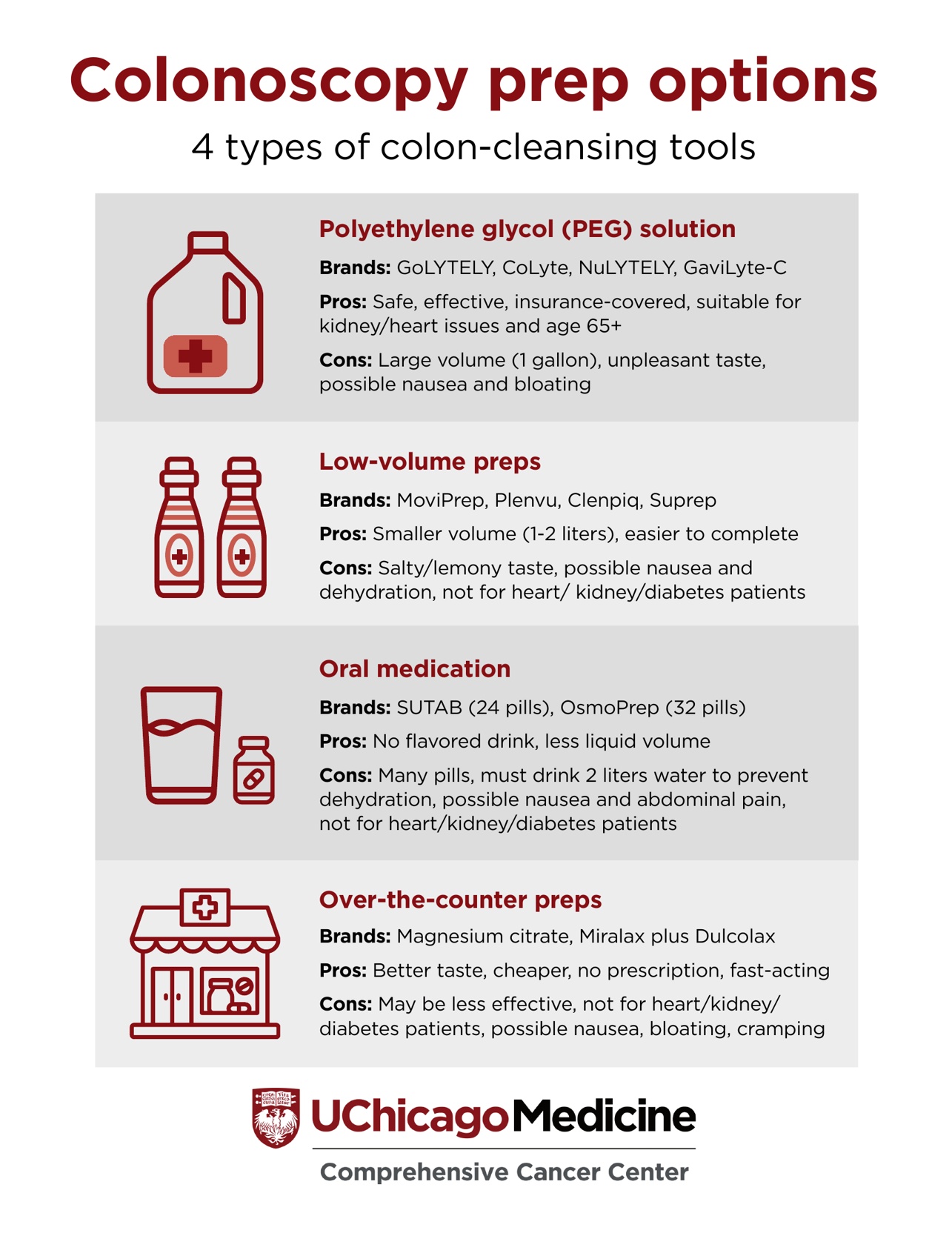
Colonoscopy Preparation
Preparing for a colonoscopy is a vital step in ensuring accurate screening and early detection of colorectal issues. At UChicago Medicine, we provide clear guidance and personalized support to make the process simple and effective, helping you take an important step toward protecting your health.
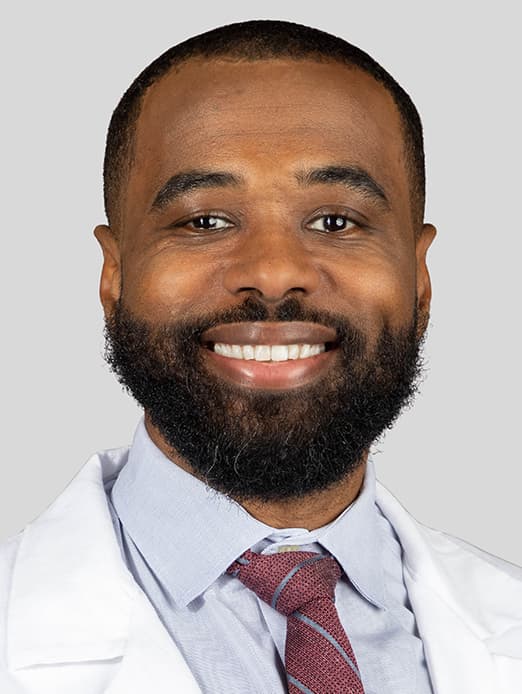
Ross H. McMillan, MD
Ross H. McMillan, MD, specializes in internal medicine and provides comprehensive primary care to his patients.
Learn more about Dr. McMillan