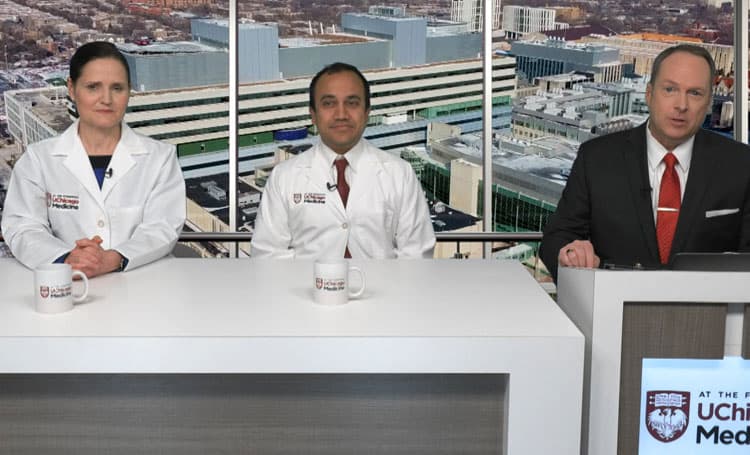
Why are more people under 50 getting colorectal cancer?
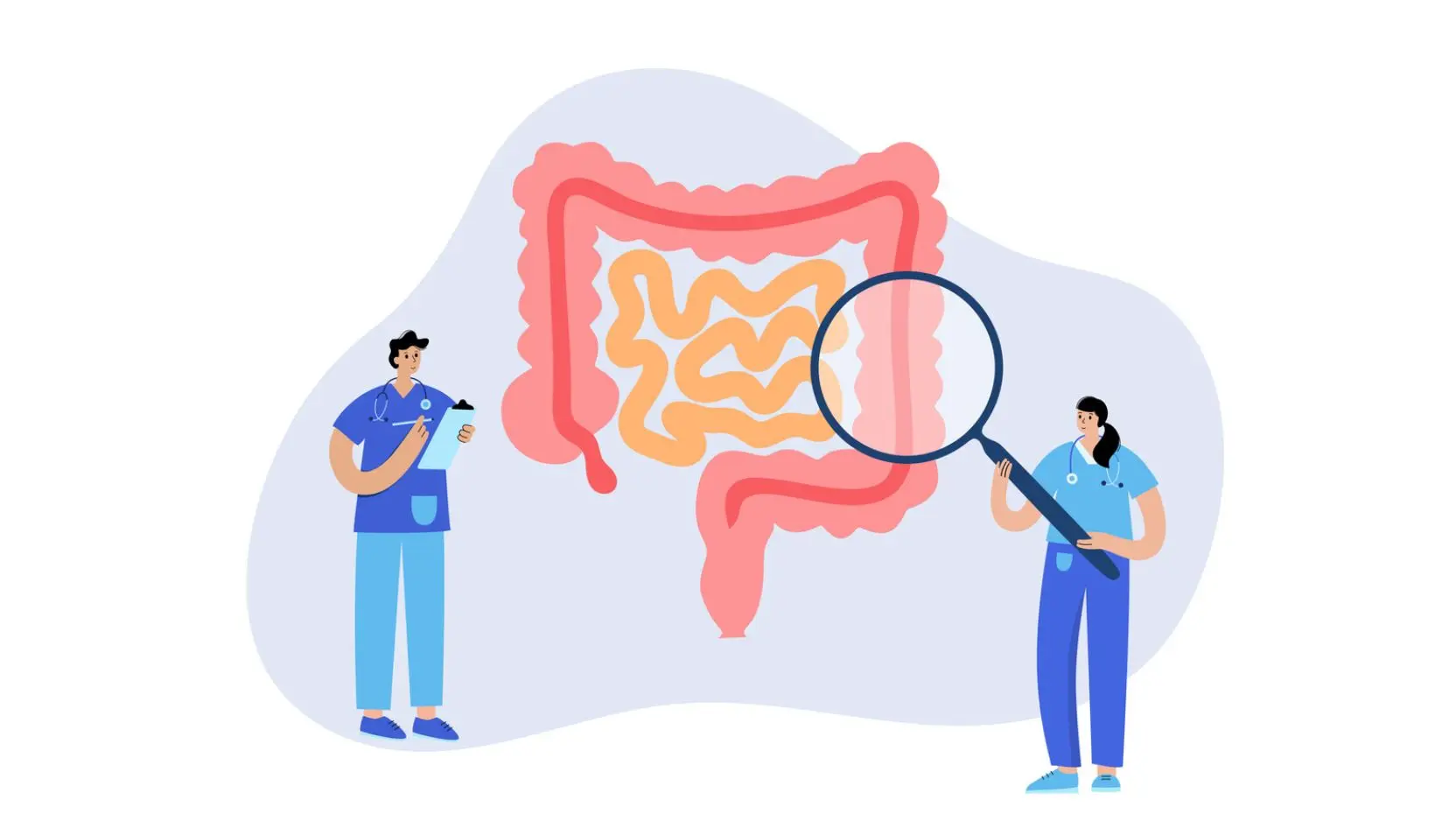
Colorectal cancer has become the leading cause of cancer-related death among Americans under age 50, with rates rising steadily despite declines in older adults, according to an analysis released this month by the American Cancer Society.
Since 1994, colorectal cancer incidence has increased 51% in people younger than 50, climbing about 3% per year since 2011 in those aged 20 to 49.
University of Chicago Medicine gastroenterologist Sonia Kupfer, MD, calls the shift “worrisome” and said the cause remains unclear.
“What’s alarming is that we don’t know what’s causing it,” said Kupfer, director of UChicago Medicine’s Gastrointestinal Cancer Risk and Prevention Clinic. “Right now, we think environmental influences are underlying the rise in incidence.”
While obesity and lifestyle factors such as diet, heavy alcohol consumption and physical inactivity may play a role, Kupfer notes many younger patients diagnosed with colorectal cancer do not have typical risk factors like family history or a genetic syndrome — issues that might prompt early screening.
“Clearly, these risk factors do not completely explain this worrisome trend,” she said.
Why it’s important to get a colonoscopy
In response to the rising number of cases among younger adults, national guidelines now recommend that colorectal cancer screenings begin at age 45.
Experts encourage people to talk with their doctors about screening options, which include stool-based tests and colonoscopy.
Still, reversing the trend of rising diagnoses has two big challenges, Kupfer said.
First, colon and rectal cancers often develop without symptoms, so many people don’t realize anything is wrong. When symptoms like blood in the stool, persistent constipation, or unexplained weight loss do appear, they are often mistaken for less serious issues such as hemorrhoids. This underscores the need for more preventive screening.
Second, many people avoid colonoscopies — the most accurate screening method — because of the required bowel preparation. While stool-based tests and an FDA-approved blood test called Shield by Guardant Health offer alternatives, any positive result requires a follow-up colonoscopy.
A colonoscopy is the only all-in-one test that can detect and remove precancerous polyps and identify cancer early, Kupfer said.
Improvements in colon cancer screening
Researchers are also working to improve colonoscopy quality. UChicago Medicine is part of a study using artificial intelligence to enhance polyp detection during the procedure.
Meanwhile, scientists are investigating why some colorectal tumors respond differently to treatments and how environmental factors may influence cancer risk. Kupfer’s lab is exploring whether interventions like vitamin D or aspirin could offer protective benefits.
Until more is known, screening remains critical. Detecting colorectal cancer early offers the best chance to prevent it from becoming deadly.
“It’s not impossible for people in their 30s to get colon cancer,” Kupfer said. “The best advice we can give is to not ignore any symptoms. If you notice blood in your stool, don’t just assume it’s hemorrhoids — talk to your doctor.”
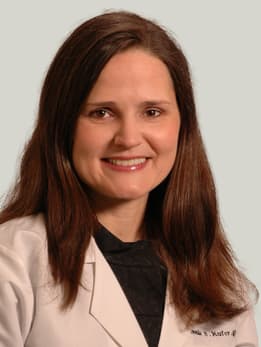
Sonia Kupfer, MD
Sonia Kupfer, MD, is a gastroenterologist and an expert in diagnosing and treating genetic disorders including hereditary gastrointestinal cancer syndromes and celiac disease. She serves as director of the Gastrointestinal Cancer Risk and Prevention Clinic and co-director of the Comprehensive Cancer Risk and Prevention Clinic.
See Dr. Kupfer's profile
Cancer Risk and Prevention
The UChicago Medicine Comprehensive Cancer Risk and Prevention Clinic is dedicated to identifying and caring for individuals who have an increased risk for cancer due to family history, medical and genetic factors, and/or lifestyle influences.
Learn about cancer risk and prevention servicesAt the Forefront Live: Colorectal Cancer Awareness