
Hypertrophic Cardiomyopathy
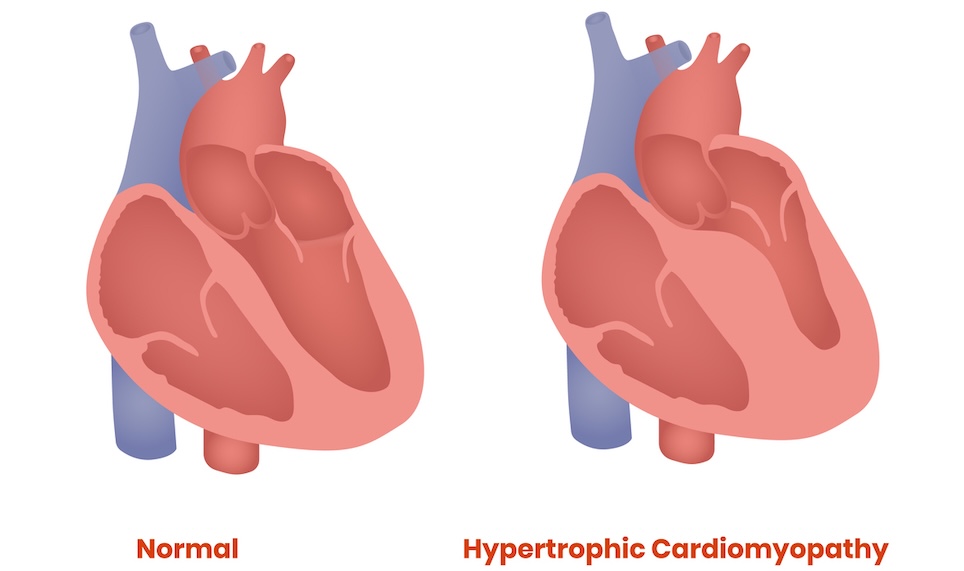
Hypertrophic cardiomyopathy (HCM) is characterized by a thickening of the heart walls, which interferes with the heart’s ability to pump. It is one of the most common types of heart disease affecting about one in every 500 people in the U.S.
The thickening usually happens in the left ventricle, the heart’s main pumping chamber, but it can also affect the right ventricle or the septum (the wall between the left and right sides of the heart). Sometimes more than one part of the heart is thickened.
When the heart wall gets too thick, it can become stiff and bulge inward, making the chamber smaller and limiting how much blood the heart can hold and pump out.
Call 773-702-9461 to Schedule an Appointment
Symptoms
The symptoms of HCM can be similar to other heart conditions, sometimes showing up after eating, especially after a large meal.
Symptoms of HCM can include:
- Shortness of breath, especially with exertion
- Chest pain, often after physical activity
- Dizziness and fainting (syncope)
- Fluttering or pounding in the chest (palpitations)
- Fast or irregular heartbeat (arrhythmia, tachycardia)
- Cardiac arrest
Some people don’t know they have HCM until they develop an arrhythmia or go into a sudden cardiac arrest.
At UChicago Medicine’s Heart & Vascular Center, we have a special interest in treating HCM. We have a multidisciplinary team dedicated to the diagnosis and treatment of HCM in individuals and their families. We bring together clinicians that specialize in HCM including clinicians and nurses from cardiology, genetics, cardiothoracic surgery and pediatrics to help you and your family through all stages of diagnosis, treatment, family planning and more.
HCM Causes & Diagnosis
How is HCM diagnosed?
HCM can often be found with a combination of tests, including a physical exam, an electrocardiogram (ECG) and an echocardiogram (echo), which is an ultrasound of the heart. In some cases, doctors may also order other tests like an MRI or more detailed procedures to confirm the diagnosis.
Why is it important to diagnose HCM correctly?
HCM causes about one-third of sudden cardiac deaths in young athletes. That’s why it’s important to tell the difference between HCM and other conditions that can look similar, such as an athletic heart, high blood pressure–related heart disease, or other inherited heart conditions.
How is HCM usually found?
Around 30–60% of people with HCM are diagnosed after an abnormal ECG. However, HCM can appear differently in adults and children.
Is HCM genetic?
Yes. HCM is a genetic disease, meaning it can run in families. Because of this, genetic testing is strongly recommended for people who are diagnosed with HCM.
Why is genetic testing important?
Genetic testing can help doctors rule out other similar conditions and find family members who may also be at risk. Sometimes, a person learns they have HCM only after a relative is diagnosed. If a parent has HCM, each child has a 50% chance of inheriting the same gene change. However, in some families, no specific genetic cause can be found.

Cardiovascular Genetics Clinic
The Cardiovascular Genetics Clinic at the University of Chicago Medicine provides comprehensive diagnostics and advanced treatment for all forms of inherited cardiovascular disease. While partnering with our patients, we personalize treatment plans to meet the exact needs of those with inherited cardiovascular disease.
Read more about our cardiovascular genetics clinicTreatment for HCM
Treatment for HCM depends on how thick the heart muscle is and how sever the symptoms are. Some people don’t need treatment if they have no symptoms and normal heart rhythm.
Treatment may include:
- Regular check-ups to monitor heart function
- Medications like beta-blockers and calcium channel blockers. Your doctor may also discuss newer types of medications made specifically for HCM.
- Implantable devices such as: a Cardioverter-defibrillator (ICD) to prevent sudden cardiac arrest or a pacemaker for slow heart rhythms
- Surgery (septal myectomy), to remove part of the thickened muscle that is responsible for blocking blood flow from the heart.
- Heart transplant, for people who develop advanced heart failure that doesn’t improve with other treatments.
Family Screening for HCM
If you have HCM, we at UChicago Medicine, along with other professional societies, recommend that your first-degree adult relatives (parents, siblings and children) be screened for HCM by a doctor every 3 to 5 years. Serial screening should include an echocardiogram and an electrocardiogram (ECG).
Because there are many different genetic causes for HCM, genetic testing is not practical for everyone. However, there are some well-known genes linked to HCM that can be tested for through a simple cheek swab sample. The sample is sent to a genetic testing company and may be billed to your insurance. You would need to pay any cost your insurance does not cover.
If a disease-causing gene is found in you or your family member, your relatives can be tested for the same genetic change quickly and at a lower cost.
Meet Our Hypertrophic Cardiomyopathy Team






Ancillary Staff
Anna Fuller, APN
Elizabeth Hushka, APN
Lira Palen, APN
Rachel Campagna, MS, CGC
Rachel Lavelle, PharmD
Clara Ting, PharmD
Samuel Tambeaux, RD