
From snoring to soaring: Implant for sleep apnea gives pilot his life and career back
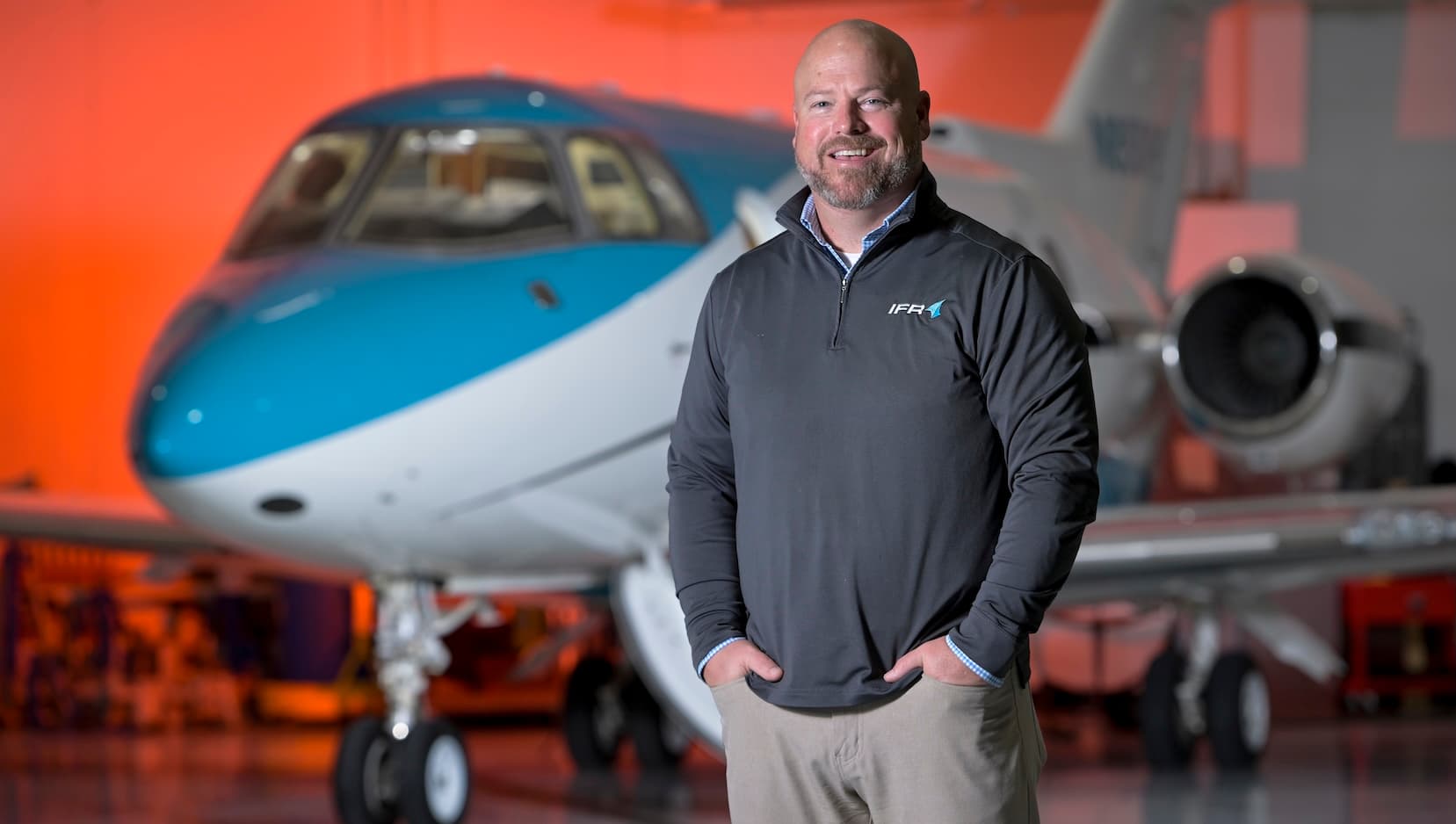
Being a pilot, Chris Guare never had a normal sleep schedule.
“I’ve always been someone who’s been able to operate on four hours of sleep,” said Guare, 44, a father of three from Glen Ellyn and a former firefighter. “But when I did sleep, I snored a lot.”
Over time, his snoring became so bad that his wife frequently moved to another bedroom. The sleep deprivation left him bleary and guzzling coffee all day to stay awake.
It also put his career at risk. Guare was diagnosed with severe obstructive sleep apnea in 2022, prompting the Federal Aviation Administration, in line with its safety policies, to revoke his pilot’s license until he received effective treatment.
Guare tried external devices to keep airways open during sleep: first, a mouthguard, and then a continuous positive airway pressure (CPAP) machine. But neither option worked for him.
What ultimately helped was a hypoglossal nerve stimulation implant. The device gave Guare his first restful, snore-free sleep in decades, plus a dramatic boost in energy and clarity.
“To not be in a fog throughout the day anymore? It’s life-changing,” Guare said. “I never realized how tired I was until this started working.”
How does a hypoglossal nerve stimulation implant work?
Sometimes described as a “pacemaker for the tongue,” the implant can detect obstructed breathing. When it does, it sends an electrical pulse to the tongue so it moves out of the airway, preventing sleep from being interrupted.
This function is vital for people with obstructive sleep apnea, which occurs when relaxed throat muscles block the airway and cause repeated disruptions in breathing. Someone with a severe case might wake up 30 times or more per hour.
The device, the size of a dental floss box, is implanted with an outpatient procedure using two small incisions: one on the chest, where a pacemaker-like device is inserted under the skin; the other is under the chin, where an electrode is cuffed around a cranial nerve in the tongue. Once the surgical incision heals, the device is activated.
Not long after the implant was approved by the U.S. Food and Drug Administration, UChicago Medicine otolaryngologist Phillip LoSavio, MD, MS, became the first doctor in Chicago to surgically implant the device in a patient in 2016. He began building a sleep apnea surgery program in 2023.
The implant wasn’t widely offered until a few years ago, when health insurance companies started to cover the cost, said LoSavio, now the surgical director of the UChicago Medicine Sleep Center.
While the implant can be a game-changer for many sleep apnea patients, it’s best for people with moderate to severe sleep apnea who are average weight and have certain airway configurations, LoSavio said.
Sleep apnea surgeries for complex cases
With care available at seven locations, UChicago Medicine’s Sleep Center is known for taking on complex cases. In addition to hypoglossal nerve stimulation implants, it offers other surgeries for sleep apnea, including reconfiguration of soft tissue or facial bones to improve airflow.
The center’s team of neurologists, pulmonary critical care physicians, behavioral sleep specialists and surgeons collaborate on each case to decide the best treatment option.
“A lot of patients get turned away at other places because of complexities and risks,” LoSavio said. “Because of our experience, we can help patients thrive.”
That expertise was critical to Guare, who first had a hypoglossal nerve stimulation implant at another hospital in 2022. He developed a bad infection at the incision site that recurred for six months, prompting emergency removal of the implant.
When the incision site got infected again, Guare sought a second opinion at UChicago Medicine. He went online on a Friday afternoon and found a same-day urgent care appointment with family medicine physician Edward J. Kim, MD, who diagnosed him with a serious bacterial chest infection and made him a Monday morning appointment with infectious diseases specialist Daniel Z. Friedman, MD.
Friedman told Guare to continue his antibiotics and seek emergency care if anything changed. (Kim added a note to Guare’s medical chart to page Friedman if that happened.)
After consulting with LoSavio — who noted that infections from hypoglossal nerve stimulation implants are “very rare” — Friedman successfully treated Guare’s infection.
“The care was absolutely incredible,” Guare said. “It changed the trajectory of my life.”
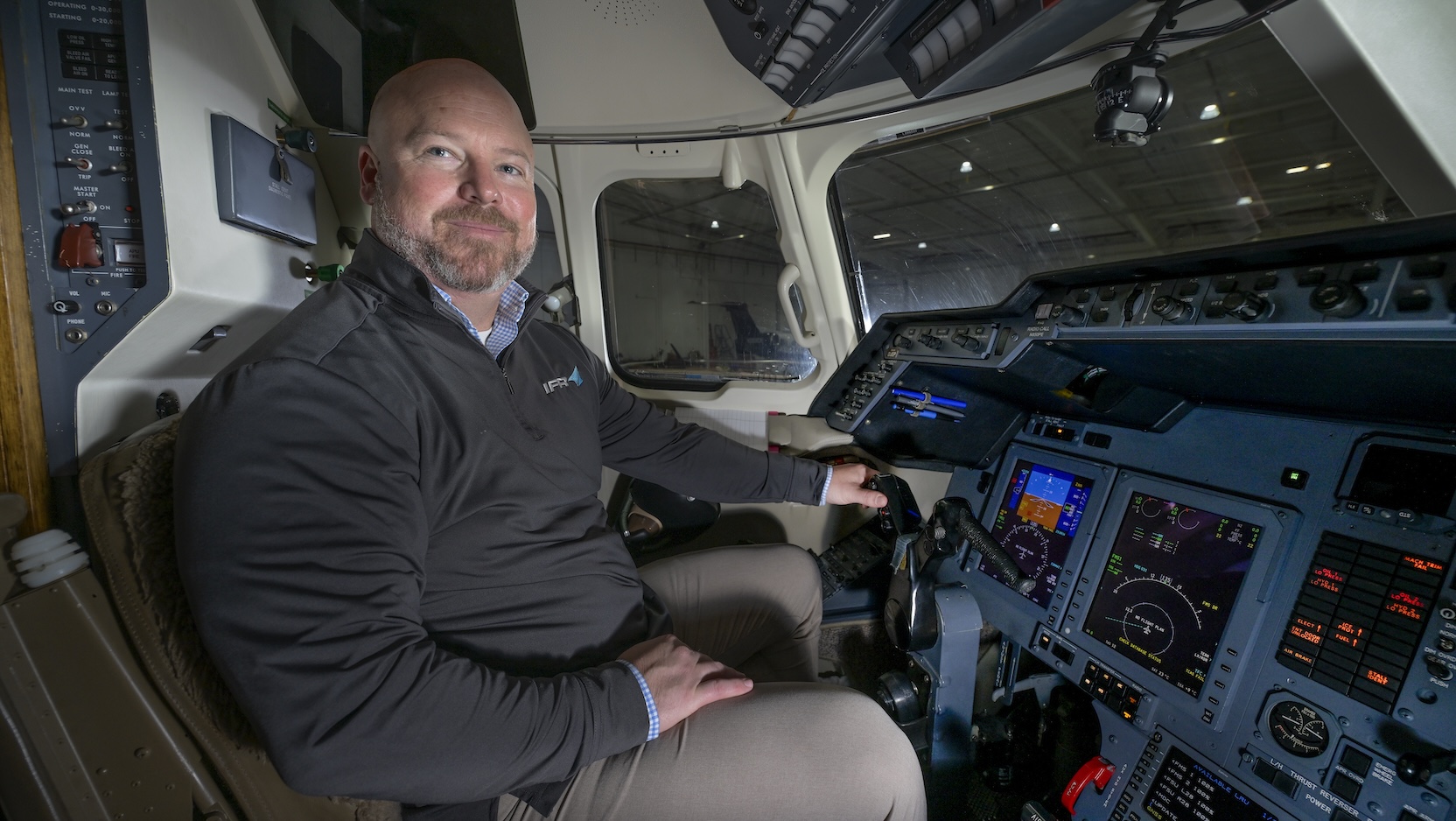
‘It’s a world of difference’
With his infection gone, Guare still had to treat his sleep apnea if he wanted to fly again.
LoSavio proposed they start over with new sleep apnea testing and a new implant on the other side of his chest.
“I was skeptical, and I didn’t want to do it,” said Guare, who co-owns a private jet company. “But the ability to reduce the snoring, allow my wife to get uninterrupted sleep, get my pilot’s license back and just elongate my life — those were the overriding factors in my decision.”
The 2024 implant surgery was a success — and there were no infections afterward. Soon after, Guare was able to get his pilot’s license reinstated by the FAA.
Today, he controls his sleep apnea device with a cellphone-sized remote that’s convenient for traveling.
“It turns on and off like a light switch,” Guare said. “I could be mid-snore and then go mute as a mouse. It’s a world of difference.”
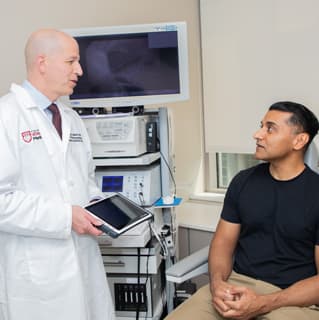
Sleep Surgery at UChicago Medicine
UChicago Medicine's sleep surgery program provides personalized treatment plans using advanced technologies to diagnose and treat sleep apnea, including drug-induced sleep endoscopy, Inspire therapy and surgery to restore your total sleep wellness.
Learn more about sleep surgery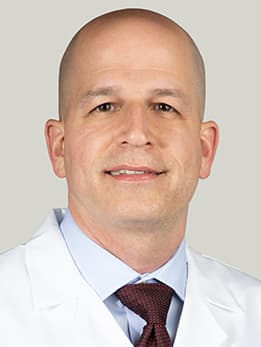
Phillip LoSavio, MD
Board-certified otolaryngologist, Phillip LoSavio, MD, MS, is a sleep surgeon who specializes in treating sleep apnea and related upper airway problems, such as nasal airway obstruction, deviated septum, tonsil enlargement, sinusitis and snoring.
Learn more about Dr. LoSavio