
Hypoglossal nerve stimulation for obstructive sleep apnea shows downstream health benefits
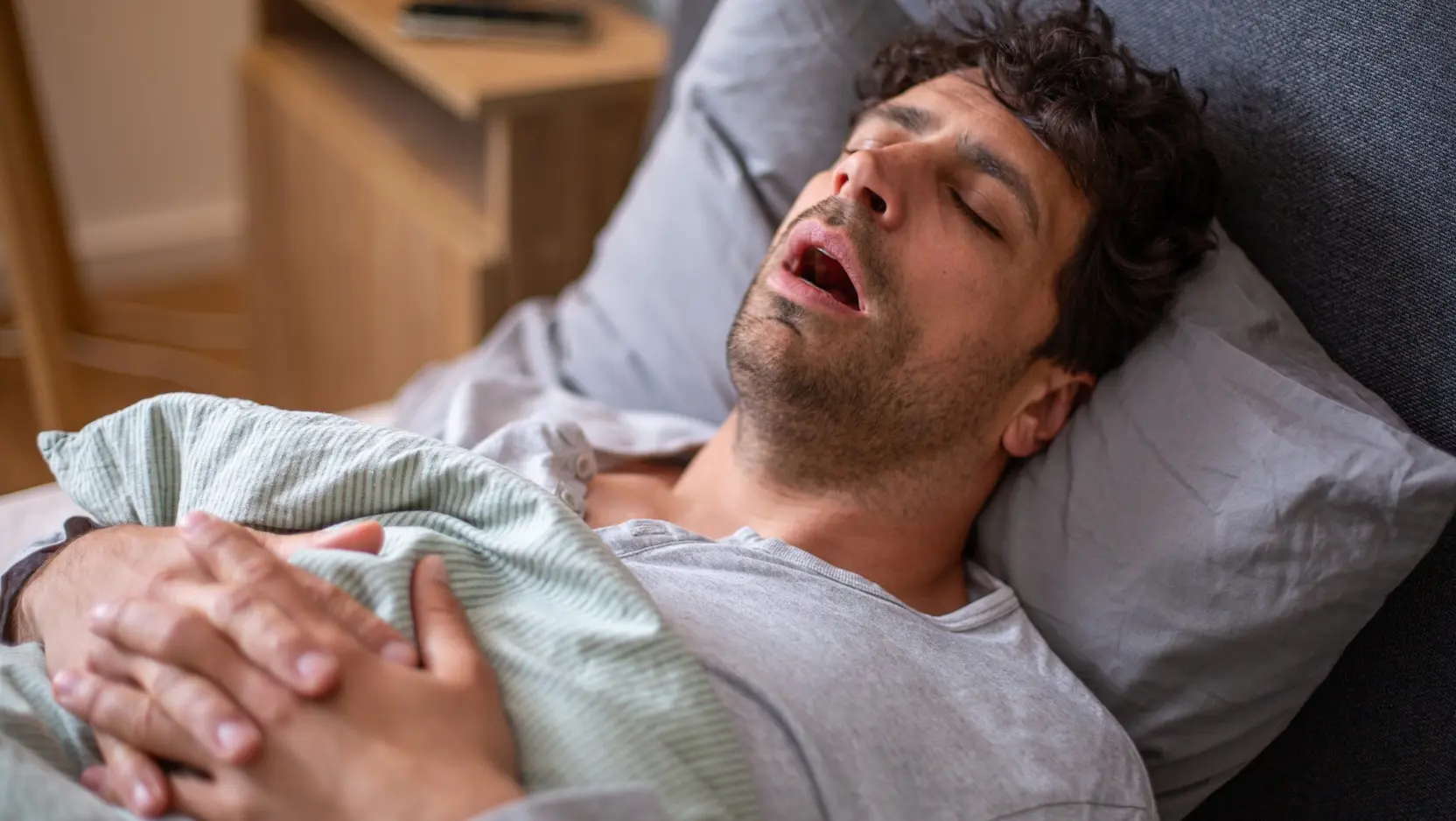
Researchers estimate that over 80 million U.S. adults are living with obstructive sleep apnea, a condition in which the soft tissue at the back of the throat collapses and blocks the airway during sleep. This blockage causes shallow or irregular breathing that lowers oxygen levels, decreasing sleep quality and raising the risk of diabetes and cardiovascular disease.
“We all know how bad it feels when we sleep poorly, but obstructive sleep apnea is a silent danger we don’t talk about enough,” said Neil Kondamuri, MD, an otolaryngology resident at the University of Chicago Medicine.
The most common treatment for obstructive sleep apnea is positive airway pressure (PAP) therapy, which uses an at-home machine to send air into the throat to stent the airway open during sleep. While PAP is very effective, some patients find the devices too noisy, uncomfortable or cumbersome.
“We see people every single day who don’t like their PAP machine and say they are not using it,” Kondamuri said. “If it’s such a poorly tolerated treatment option, we need another treatment that can provide similar or better downstream benefits.”
Hypoglossal nerve stimulation (HGNS) may be one such treatment. HGNS involves a surgical procedure to place an implant that connects to the tongue nerve and a sensor that monitors breathing. When a sleeping patient inhales, the implant works by stimulating the tongue nerve to push the tongue forward so it doesn’t fall back and obstruct the airway. The goal is the same as PAP treatment: help patients get adequate oxygenation and better-quality sleep so they feel awake and avoid downstream health risks.
In a new study led by Kondamuri, researchers compared data from nearly 3,400 patients who underwent HGNS to data from nearly 120,000 patients who had obstructive sleep apnea for the same amount of time and could not reliably use a PAP machine during the study period. They found HGNS was associated with a lower likelihood of new diabetes or high blood pressure diagnoses within two years.
“Studies demonstrate that if patients are not using PAP consistently and regularly — five to six hours per night most days of the week — they may not see the benefits we demonstrate with HGNS in preventing downstream health risks,” Kondamuri said.
While the current study’s follow-up timeframe was too short to definitively observe a change in long-term cardiovascular outcomes like arrhythmias, coronary artery disease or heart failure, it does indicate the risks of these diseases are decreasing and is the first to rigorously demonstrate that HGNS is associated with prevention of hypertension and diabetes. Kondamuri said he hopes to collaborate on future studies that seek to establish the long-term cardiovascular impact of HGNS and explain causal associations between the physiological treatment and the downstream reductions of high blood pressure and high glucose levels.
For patients, the key takeaway is that multiple beneficial treatment options exist.
“If you feel your PAP machine does not help you feel rested or you just want to hear about alternative options, talk to a sleep-trained otolaryngologist about what other treatments might work specifically for your anatomy and preferences,” Kondamuri said.
“Hypoglossal Nerve Stimulation and the Incidence of Cardiovascular Disease” was published in JAMA Otolaryngology in July 2026. Co-authors are Neil Kondamuri, Max J. Hyman, Yi Cai, Phillip S. LoSavio & Ted A. Skolarus.
Sleep Disorders in Adults
Our board-certified sleep medicine experts specialize in the assessment of respiratory and non-respiratory sleep disorders. Our services include sleep consultations and sleep studies.
Learn more about our sleep services