
‘Operation Rescue Brad’: Precision epilepsy care, surgery stop child’s severe seizures
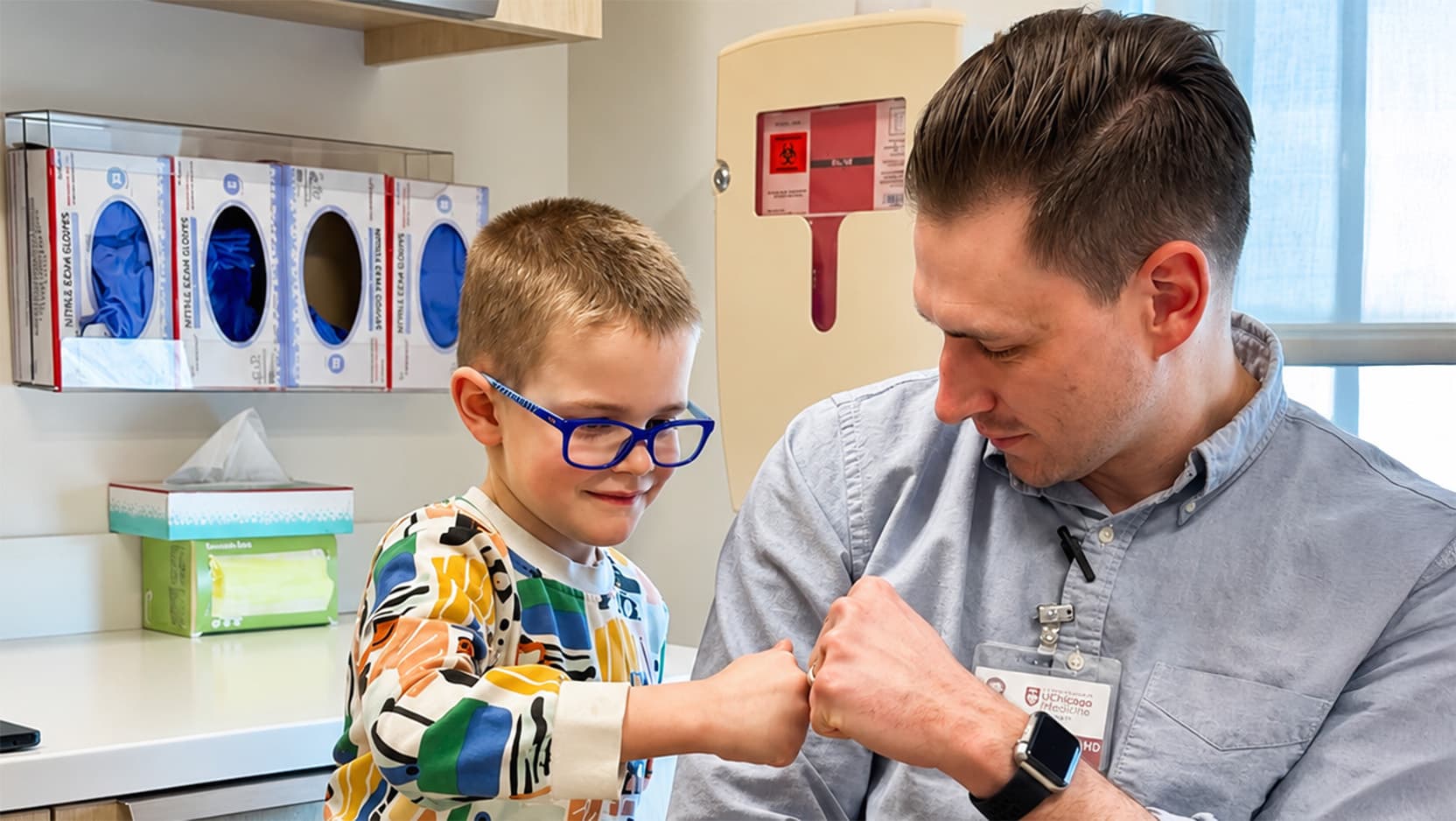
When Val Fisher recalls her child’s struggle with epilepsy, the memories feel like a bad dream.
Brad first experienced a seizure at 15 months old, when Fisher found him awake but unresponsive in his crib.
“It was everybody's worst nightmare,” Fisher said.
A neurologist diagnosed Brad with what is now known as self-limited epilepsy with centrotemporal spikes (SeLECTS). It is a less severe type of epilepsy, a brain disorder that causes recurrent seizures.
Most patients with SeLECTS respond well to medication, but that wasn't the case when Brad began having regular seizures in preschool. Six different medications did little to help, and their side effects and his brain condition left him in a fog. He missed dozens of school days over a three-year period.
“He was just deteriorating,” Fisher said. “He was very physically violent, exhausted and emotional. All he really wanted to do was sit on the couch and watch TV.”
In January 2025, Brad had his most serious episode yet, a tonic-clonic seizure — also known as a grand mal seizure — that landed him in the pediatric intensive care unit.
Getting a second opinion for childhood epilepsy
Frustrated with their son’s medical care, the Fishers met with Douglas Nordli, III, MD, a University of Chicago Medicine pediatric neurologist who specializes in epilepsy.
The UChicago Medicine Comer Children’s Hospital Pediatric Epilepsy Center, nationally recognized as a Level 4 epilepsy center, provides the highest level of evaluation and treatment for children with complex epilepsy.
The center has an integrated team of neurologists and neurosurgeons who work with neuropsychologists, neuroradiologists, child life specialists and experts from related fields.
Nordli brought new insights to the Fishers: Medical imaging at Comer Children’s revealed Brad actually had mesial temporal lobe epilepsy (MTLE). With MTLE, damage in the hippocampus — the brain's main memory processing center — leads to uncontrolled bursts of electrical activity that trigger seizures.
“Brad's epilepsy was challenging to understand and misdiagnosed,” said Nordli, who is also the center’s director of pediatric epilepsy monitoring. “He hadn't been under the care of an epileptologist.”
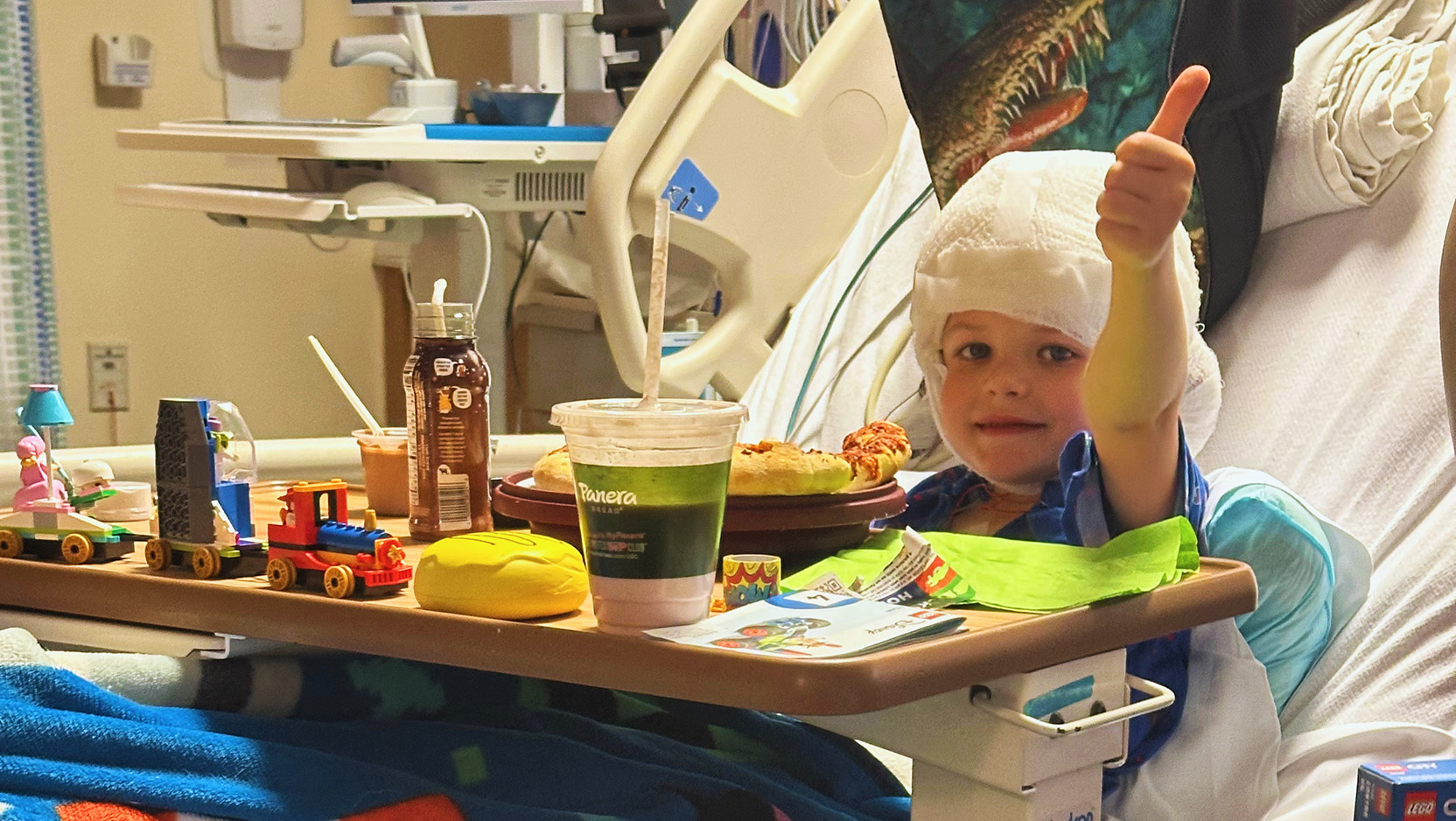
Laser ablation surgery to target seizures
Unlike SeLECTS, MTLE is often resistant to medication.
It is commonly treated with laser ablation — a minimally invasive surgery that uses a heated probe to destroy abnormal brain tissue — or surgery to remove part of the affected temporal lobe. A high-fat, low-carbohydrate ketogenic diet can also reduce seizures in some patients.
Leading what he called “Operation Rescue Brad,” Nordli worked with the Fishers to find an effective anti-seizure medication for their son.
A drug called brivaracetam ended up reducing the intensity of Brad's seizures but did not make him seizure-free — the ultimate goal of epilepsy treatment, especially in children.
UChicago Medicine neurosurgeon Peter Warnke, MD, Director of Stereotactic and Functional Neurosurgery, recommended targeted laser ablation to treat the part of Brad’s temporal lobe that was causing his seizures.
Warnke used stereo-EEG, a minimally invasive procedure that involves placing thin wire probes deep into the brain to precisely pinpoint where seizures are starting. He then performed laser ablation.
The procedure occurs under continuous MRI monitoring to assure the highest level of precision and safety.
“Achieving seizure freedom in itself is a worthwhile goal, but particularly in children, it can provide the additional benefit of normalizing neurodevelopment,” Warnke said. “Stopping seizures often leads to significant improvements in behavior and intellectual development.”
‘It’s truly a miracle’
Fisher noticed a difference in Brad the moment he awoke from surgery.
The next day, he was alert and commenting on the world around him as they drove back to their home in Grant Park, Illinois.
“It was like a veil was lifted,” Fisher said.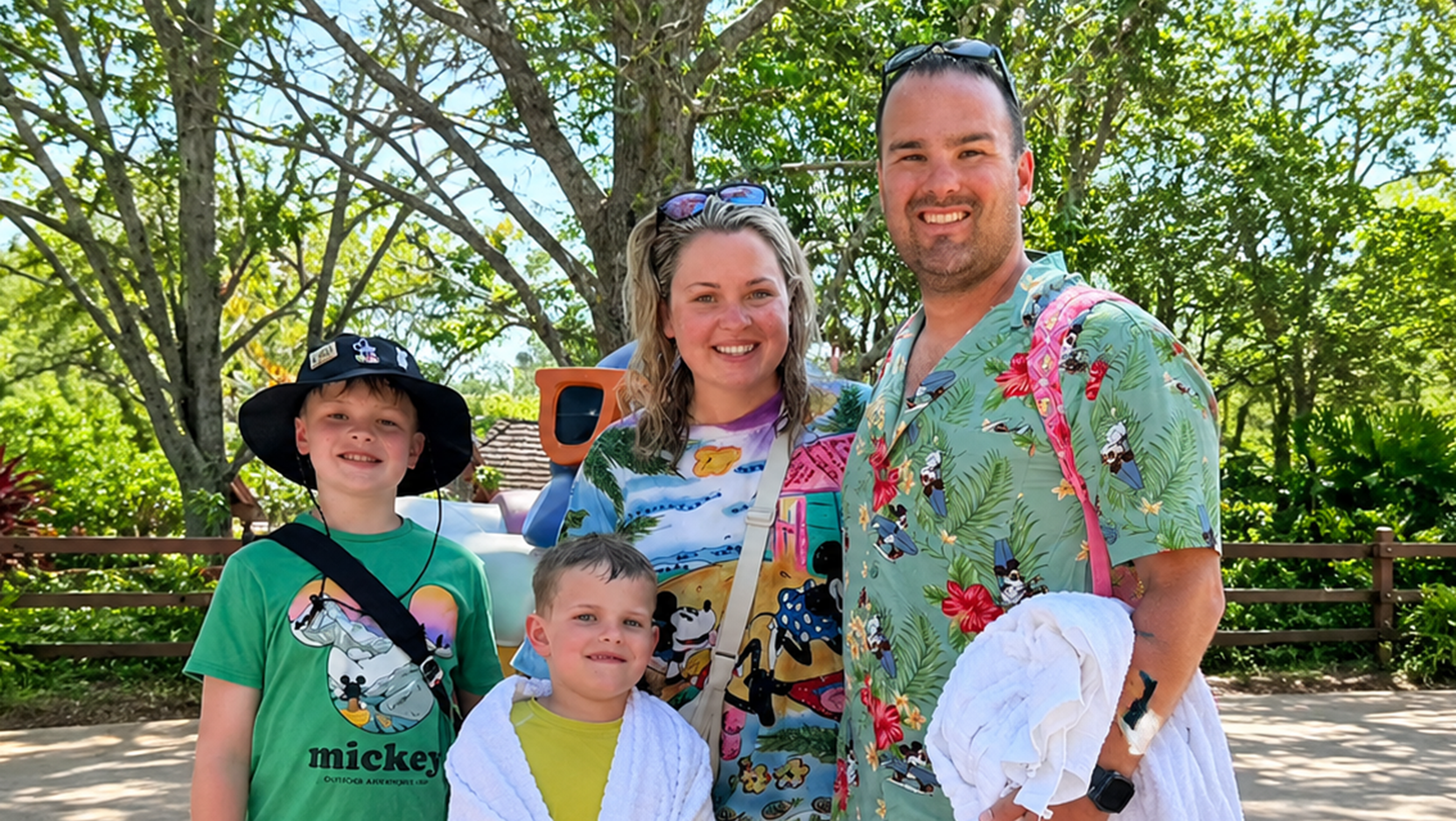
Since the October 2025 operation, Brad has been seizure-free and no longer needs specialized services at school.
The 7-year-old continues to take his anti-seizure medication as his brain recovers. He is more energetic and building meaningful relationships with friends and family, including his older brother.
He recently visited Walt Disney World, and is now taking swim lessons and karate — pursuits that would not have been possible a year ago.
Based on her experience, Fisher is working on a pediatric epilepsy guide to help parents advocate for their child's care. She's grateful to Nordli and Warnke, adding that she never expected Brad’s recovery to be so quick and dramatic.
“To have my son back — it’s truly a miracle,” Fisher said.
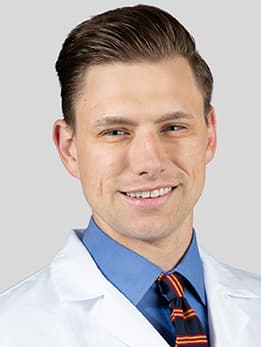
Douglas Nordli III, MD
Douglas Nordli, III, MD, is a highly skilled pediatric neurologist who treats children with a wide range of brain conditions at Comer Children's Hospital.
Learn more about Dr. Nordli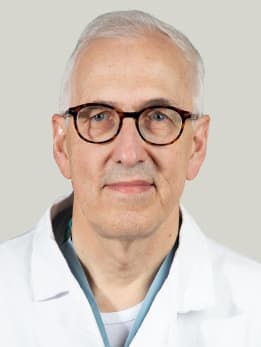
Peter Warnke, MD
Internationally renowned neurosurgeon Peter Warnke, MD, has performed more than 5,000 stereotactic surgeries and more than 2,000 brain tumor surgeries. Dr. Warnke provides neurosurgical care for the treatment of adults and children with movement disorders, epilepsy and brain tumors.
Learn more about Dr. Warnke