
What is pulmonary hypertension? Symptoms, causes and treatment options
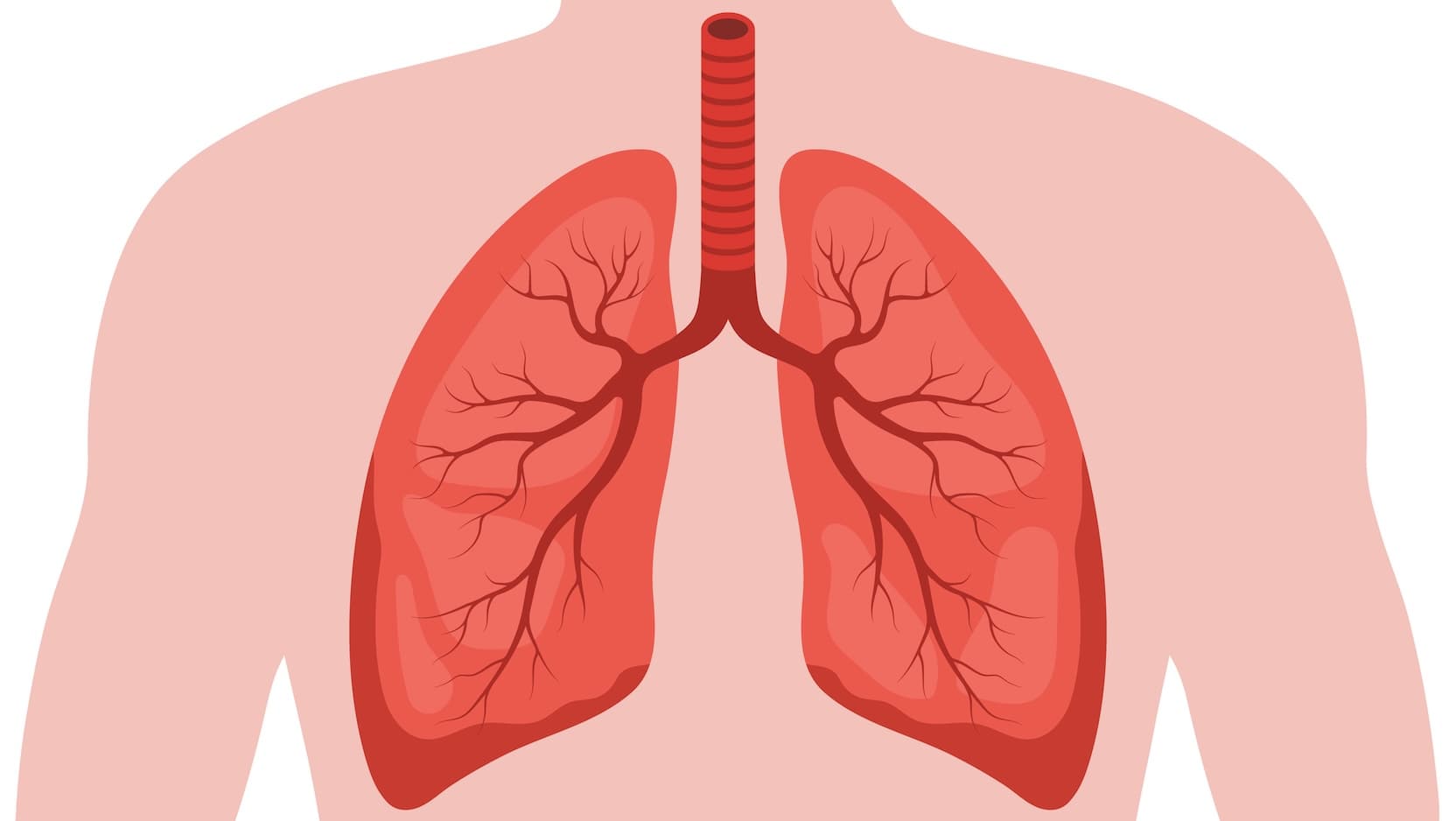
Pulmonary hypertension is a serious but often misunderstood disease that affects blood vessels in the lungs and the right side of the heart.
Sometimes called “high blood pressure of the lungs,” pulmonary hypertension — or PH — is very different from the more common type of high blood pressure that affects the rest of your body.
PH happens when the arteries that carry blood from your heart to your lungs become narrowed, stiff or blocked. This makes it harder for blood to flow through your lungs, forcing your heart to work much harder than normal.
Left untreated, PH can be fatal. But the good news is that understanding and treatment options for PH have improved dramatically.
At UChicago Medicine, our heart and lung specialists are part of a nationally recognized Pulmonary Hypertension Program that offers expert care tailored to each patient. UChicago Medicine also offers clinical trials for patients interested in cutting-edge therapies.
Whether you’re newly diagnosed or managing PH long-term, knowing the basics about the disease and how it’s diagnosed and treated can help you take control of your health.
Here are the answers to some common questions we receive from patients:
What is PH and how does it affect the lungs and heart?
PH is a condition where the blood pressure in the arteries that carry blood from the heart to the lungs is abnormally high.
Typically, the right side of the heart pumps deoxygenated blood to the lungs, where it picks up oxygen. The oxygen-rich blood then returns to the left side of the heart, which pumps it to the rest of the body.
In PH, the blood vessels in the lungs become narrow and stiff, making it harder for blood to flow through them. This increased resistance forces the right side of the heart to work harder to push blood into the lungs.
Over time, this extra workload can cause that side of the heart to enlarge and weaken.
How does pulmonary hypertension differ from regular high blood pressure?
PH is not the same as the high blood pressure that affects the rest of your body. That’s called systemic hypertension. PH specifically affects the blood pressure in the lungs’ arteries, which is a separate circulatory system. Because they’re different, they need different tests and treatments.
What are the most common symptoms of PH?
Potential signs include shortness of breath, fluid retention, fatigue, rapid heartbeat and even losing consciousness. But many other conditions can have these same symptoms, which is why PH is sometimes challenging to diagnose.
Still, if you experience any of these issues, don’t wait — talk to your healthcare provider. Early diagnosis and treatment can make a big difference.
How is PH diagnosed? What tests are involved?
Doctors will start with your medical history and a physical exam. They may order an ultrasound of your heart (echocardiogram), blood tests, lung function tests or a CT scan to look for PH risk factors and causes, such as connective tissue disorder.
A pulmonary function test checks for respiratory disorders like chronic obstructive pulmonary disease (COPD), a known cause of PH, while a CT scan of the chest can detect artery and heart enlargement, as well as blood clots that can cause PH.
The most accurate test is a right heart catheterization, a safe outpatient procedure where a catheter is inserted into a vein in the neck or groin to measure the pressure inside your heart and lungs.
What are the main causes or risk factors for developing PH?
Most PH cases happen in people with problems on the left side of the heart. In these patients, heart failure or conditions like a faulty heart valve raise pressure that ultimately affects pulmonary circulation, which strains the right side of the heart.
Other conditions that lead to pulmonary hypertension include chronic lung diseases such as interstitial lung disease (lung stiffness), chronic thromboembolic pulmonary hypertension (CTEPH) — when blood clots in the lungs cause extra pressure on the right side of the heart — and pulmonary arterial hypertension (PAH), when the lung arteries themselves are damaged and progressively narrow over time.
Is there a cure for PH?
While most types of PH don’t have a cure yet, many treatments can help patients live longer and feel better.
Some patients with blood clots in the lungs can be cured with surgery. For CTEPH patients, UChicago Medicine offers pulmonary thromboendarterectomy, a surgery in which doctors use special tools to peel blood clots from the artery walls, and balloon pulmonary angioplasty, which involves a catheter with a tiny balloon to open up a blocked artery.
In severe cases, lung or heart-lung transplants may be options. Transplant patients must remain on immunosuppression medications for the remainder of their lives.
What treatment options are available for managing PH?
There are five types of PH medications that can significantly prolong quality of life and halt progression of the disease.
These medications target the signaling pathways in the lungs that promote vasoconstriction (narrowing of the blood vessels). Medications like endothelin receptor antagonists, phosphodiesterase-5 inhibitors and prostacyclin analogs promote vasodilatation (opening of the blood vessels) and prevent scarring. Riociguat is a medication that can help relax the artery walls.
Diuretics can help reduce the fluid buildup caused by PH, and supplemental oxygen therapy and anticoagulants can also improve symptoms.
What happens if PH isn’t treated?
Without treatment, PH can cause the right side of your heart to weaken, leading to severe symptoms and serious health risks. Untreated, PH has a high risk of death within five years.
How do other health conditions affect PH?
Ongoing inflammation from connective tissue disease and low oxygen levels from chronic lung disease can worsen PH. That’s why these conditions, along with PH, should all be fully addressed.
Patients with PH benefit greatly from having a multidisciplinary team of doctors, including world-class heart and lung specialists, working together as they do at UChicago Medicine.
Can lifestyle changes help someone living with PH?
It depends on why someone has PH, but eating a heart-healthy diet, limiting salt, avoiding smoking and staying active as much as you can are effective overall ways to manage symptoms.

Manreet Kanwar, MD
Manreet Kanwar, MD, is a highly skilled cardiologist who specializes in heart failure and heart transplant for patients at UChicago Medicine.
Learn more about Dr. Kanwar
Stanely Swat, MD, MSCS
Stanley Swat, MD, MSCS, is a board-certified cardiologist who specializes in advanced heart failure and transplant cardiology.
Learn more about Dr. SwatHeart and Vascular Center
From advanced diagnostic technology to minimally invasive treatments and robotic surgery, the University of Chicago Medicine can provide the full scope of care for any type of heart or vascular disorder in adults and children.
Explore our Heart and Vascular Center