
Best foods for IBD: What to eat during remission, flares and social events
Living with inflammatory bowel disease (IBD) — whether it’s Crohn’s disease or ulcerative colitis — can make you question almost every food choice.
We work closely with IBD patients, so we know how overwhelming those decisions can feel.
That’s why we developed the IBD Diet and Nutrition Therapy Program at the University of Chicago Medicine.
Part of our IBD Center, one of the nation’s oldest centers of its kind, the new nutrition program combines evidence-based therapy with personalized support from an expert team of gastroenterologists, dietitians and behavioral health professionals.
Here are some commonly asked questions and how our team can help:
Here are some proven tips to keep in mind:
For patients with intestinal narrowing (strictures) from IBD, fibrous foods may need to be peeled, well-cooked, blended or chewed to a smooth consistency.
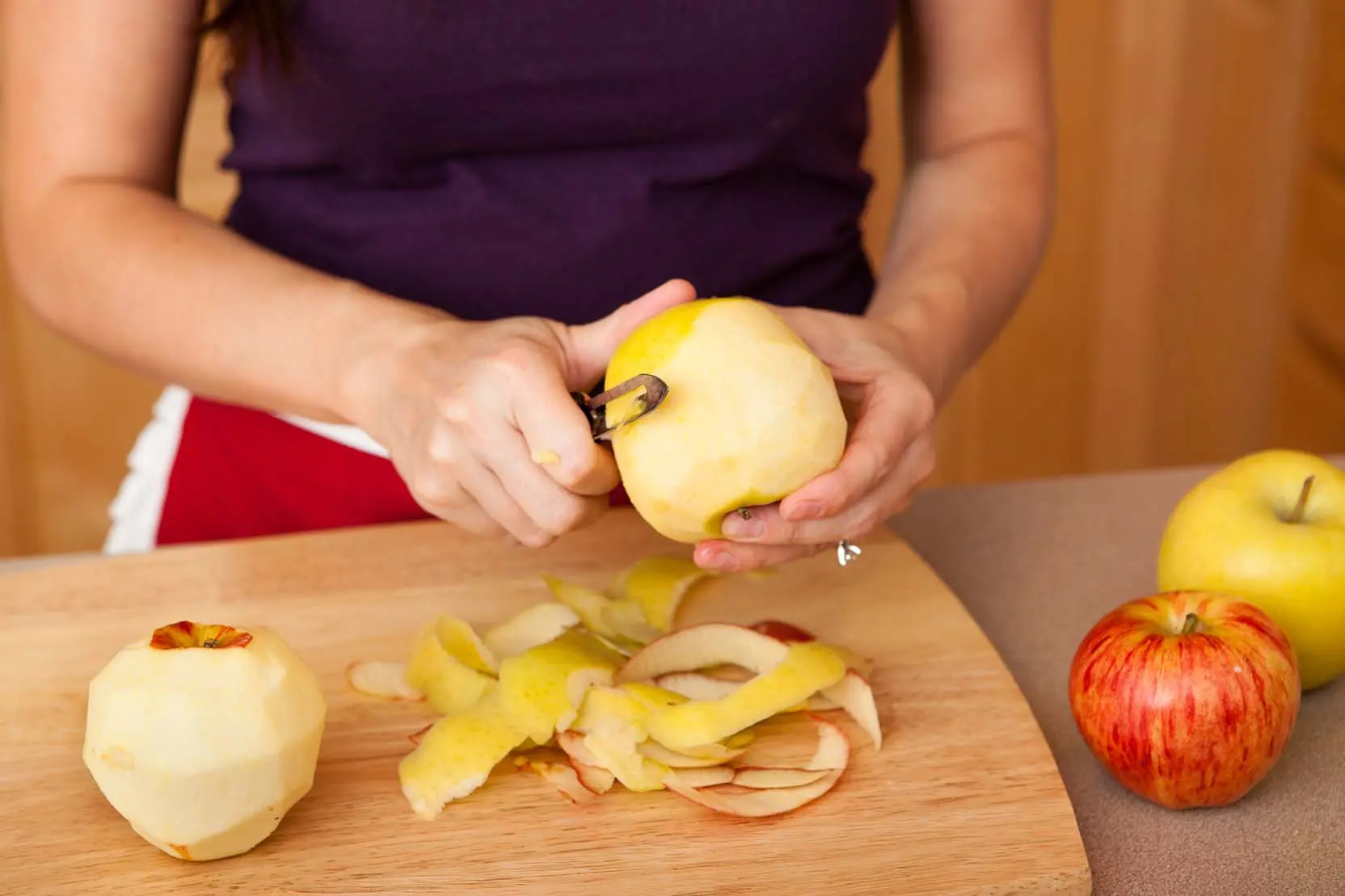
Some patients assume they need to avoid all fruits and vegetables. But many are are fine if you prepare them carefully. For example, peeling apples can make them easier to digest. Patients may find that fruits such as peaches cause bloating, so opting instead for bananas (which less fermentable and may be less likely to cause symptoms) can be helpful.
If you aren’t sure about a specific food, keep notes and talk to your care team.
If you want to join the IBD Diet and Nutrition Therapy Program at UChicago Medicine, ask your IBD provider for a referral. We welcome both adults and adolescents at multiple locations.
We’re excited about new research studying how specialized liquid diets such as PEN and exclusive enteral nutrition (EEN) — as well as immunonutrition shakes, an anti-inflammatory diet and nutrients such as omega-3s — may influence disease activity. We are also collaborating with nutrition-focused organizations such as the GI Nutrition Foundation to curate easy-to-follow resources to support individuals living with IBD.
Remember: You’re not alone on this journey. With the right information and a supportive care team, you can make food choices that truly work for you and your IBD.
We work closely with IBD patients, so we know how overwhelming those decisions can feel.
That’s why we developed the IBD Diet and Nutrition Therapy Program at the University of Chicago Medicine.
Part of our IBD Center, one of the nation’s oldest centers of its kind, the new nutrition program combines evidence-based therapy with personalized support from an expert team of gastroenterologists, dietitians and behavioral health professionals.
Here are some commonly asked questions and how our team can help:
What daily eating habits support IBD management?
We encourage patients to be mindful about what they eat and where their food comes from.Here are some proven tips to keep in mind:
- Limit ultra-processed foods: They may be linked to increased inflammation when eaten frequently. Try to cook at home when you can.
- Embrace a Mediterranean-style diet: This diet isn’t just heart-healthy; it can help manage IBD. Focus on fish, fruits, vegetables, whole grains, legumes, nuts, seeds and olive oil.
- Listen to your body: Keeping a food diary can help you track symptoms and identify patterns.
What are some common myths about IBD and diet?
One myth is that patients with IBD should avoid fiber. Fiber is an important prebiotic that nourishes good bacteria in the gut.For patients with intestinal narrowing (strictures) from IBD, fibrous foods may need to be peeled, well-cooked, blended or chewed to a smooth consistency.
Some patients assume they need to avoid all fruits and vegetables. But many are are fine if you prepare them carefully. For example, peeling apples can make them easier to digest. Patients may find that fruits such as peaches cause bloating, so opting instead for bananas (which less fermentable and may be less likely to cause symptoms) can be helpful.
If you aren’t sure about a specific food, keep notes and talk to your care team.
What should my plate look like during IBD remission? How about during a flare?
A balanced plate supports both healing and energy. Here’s how we break it down for both scenarios.
What to eat during IBD remission:
- Fill half your plate with non-starchy vegetables, cooked or peeled for easier digestion.
- Add a serving of lean protein, such as fish, chicken or tofu.
- Incorporate nuts, seeds and legumes when possible. Blend them into nut butters or bean spreads like hummus, if needed.
- Include a small portion of carbohydrates, such as rice, oats or sourdough bread. Choose whole grains when possible, if tolerated.
- Select healthy heart fats like olive oil, avocado, nuts, seeds and fatty fish.
What to eat during an IBD flare:
- The plate looks similar, but you may need more calories to prevent weight loss.
- Try eating smaller, more frequent meals and snacks. This approach can help you get enough calories and nutrition, and it’s often easier to tolerate than large meals.
- Try produce without peels and/or low in fermentable sugars, such as bananas, canned mandarin oranges, cantaloupe, honeydew, roasted carrots, canned green beans and peeled potatoes.
- Replacing one or two meals a day with a medical nutrition shake known as partial enteral nutrition, or PEN, can support remission; it may be easier to tolerate than solid foods.
How can people with IBD navigate social events or family gatherings?
Here’s what we have seen works for many of our patients:
- Plan ahead: Ask for the menu, if possible, and bring your own foods if needed. Consider eating a light meal or snack ahead of time, in case there are limited options available that meet your dietary needs.
- Be consistent: Stick closely to your diet as much as possible leading up to big events. Try to get back on track with your diet as soon as possible.
- Flexibility: What you eat consistently is more likely to influence inflammation than treats you have occasionally. You may be able to enjoy a treat from time to time without impacting the progress of your diet or triggering severe symptoms — always check with your provider.
When should you see a dietitian for IBD?
Diet is a key part of IBD care, whether you need one-time advice or ongoing support.If you want to join the IBD Diet and Nutrition Therapy Program at UChicago Medicine, ask your IBD provider for a referral. We welcome both adults and adolescents at multiple locations.
We’re excited about new research studying how specialized liquid diets such as PEN and exclusive enteral nutrition (EEN) — as well as immunonutrition shakes, an anti-inflammatory diet and nutrients such as omega-3s — may influence disease activity. We are also collaborating with nutrition-focused organizations such as the GI Nutrition Foundation to curate easy-to-follow resources to support individuals living with IBD.
Remember: You’re not alone on this journey. With the right information and a supportive care team, you can make food choices that truly work for you and your IBD.
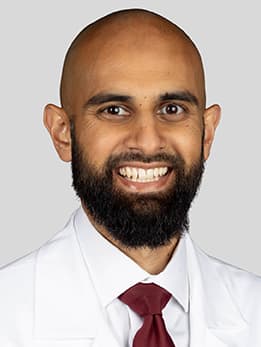
Omar Jamil, MD
Omar Jamil, MD, specializes in managing small bowel disorders, helping patients with inflammatory bowel diseases (IBD), malabsorption syndromes, intestinal failure and those requiring parenteral and enteral nutrition.
View Dr. Jamil's physician bioInflammatory Bowel Disease Center
Our world renowned experts collaborate to bring patients the best possible treatment and the latest research in inflammatory bowel disease (IBD).
Learn more about the IBD center