
What to know about HPV, the HPV vaccine and cervical cancer screening — including self-collection
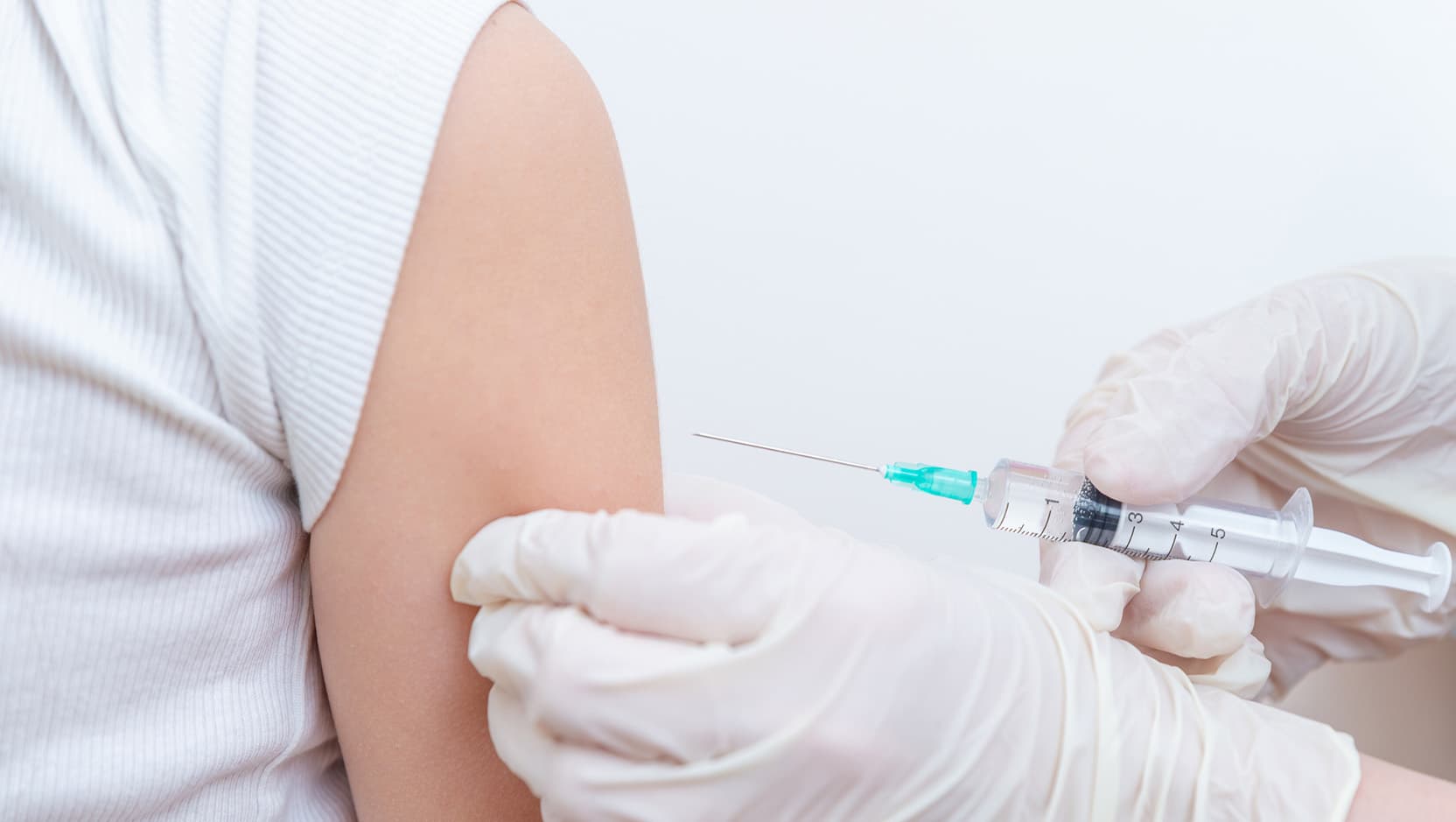
The guidelines to prevent human papillomavirus (HPV) have changed dramatically in recent years. The HPV vaccine is still one of the most effective cancer prevention measures, especially when given at the recommended ages of 11 and 12.
Combining vaccination with regular screening for cervical cancer, one of several cancers that can be caused by HPV, is the best way to reduce the risk.
Recent updates to cervical cancer screening guidelines allow patients to use a vaginal swab to self-collect cervical cells for HPV testing.
UChicago Medicine now offers this self-collection option on-site to eligible patients. The test is a simple yet important part of a gynecological wellness and screening exam.
Here’s what all patients need to know about HPV, the vaccine and testing options.
What is HPV?
HPV is a very common virus spread through intimate skin-to-skin sexual contact. Most people will be exposed to HPV at some point in their lives, often without knowing it because the infection usually does not cause symptoms.
In many people, HPV clears on its own in several years. But when certain high-risk types persist, they can lead to precancer or cancer.
Which cancers are linked to HPV?
HPV is most known for causing cervical cancer, but it is also linked to genital warts and cancers of the:
- anus
- vulva
- vagina
- penis
- mouth and throat
What does the HPV vaccine protect against?
The HPV vaccine protects against the HPV types most likely to cause cancer and genital warts.
Vaccination works best before exposure to HPV. It prevents new infections but does not treat an infection someone already has.
Who should get the HPV vaccine?
Recommendations from the Centers for Disease Control and Prevention state the following:
- Routine HPV vaccination at ages 11 or 12
- Vaccination starting as early as age 9
- Catch-up vaccination through age 26 for anyone not fully vaccinated earlier
For adults ages 27 through 45, HPV vaccination can still be considered. Discuss with your healthcare provider as some adults in that age group may still benefit.
Why is the HPV vaccine recommended at ages 11 or 12?
The vaccine works best before any exposure to HPV. Younger adolescents also have a stronger immune response, which is why vaccinating on time is so important.
If the series starts before age 15, most children need 2 doses. If it starts at 15 or older, 3 doses are recommended. People with certain immunocompromising conditions also need 3 doses.
My child is not sexually active. Should they still get vaccinated?
Yes — that is the ideal time. The goal is to protect children before they are ever exposed to HPV. Waiting until someone is older may reduce the benefit.
Parents sometimes worry that HPV vaccination could encourage sexual activity, but research does not support that. The vaccine is about cancer prevention.
Should boys get the HPV vaccine, too?
Yes. HPV affects everyone. Boys and men can develop HPV-related cancers, especially cancers of the mouth, throat and anus, and they can also pass the virus to partners.
Vaccinating boys is an important part of preventing HPV-related disease overall.
How safe is the HPV vaccine?
The HPV vaccine has been studied extensively and has a strong safety record. The most common side effects are mild and temporary, including:
- soreness, redness or swelling at injection site
- headache
- fatigue
- low-grade fever
Some adolescents may feel dizzy or faint after vaccination, so it is common to have them sit for a short time afterward. Overall, the benefits of preventing cancer far outweigh the risks.
Where does cervical cancer screening fit in?
The HPV vaccine lowers the risk of developing HPV-related cancers, but it does not eliminate the need for cervical cancer screening. Even vaccinated people should follow screening recommendations.
Self-collection can help identify the presence of high-risk HPV types linked to cervical cancer, but it is not a Pap test (which tests cervical cells to detect abnormalities) or a substitute for HPV vaccination.
UChicago Medicine follows the latest updates to cervical cancer screening guidance made in April 2026 by the American College of Obstetricians & Gynecologists (ACOG). It now supports the option for average-risk patients ages 30 to 65 to self-collect their cervical cell samples.
The new ACOG guidelines also support existing best practices, which include:
- Pap test every three years for ages 21 to 29
- HPV testing starting at age 30; this can be performed during a speculum exam with a provider or with a self-collected vaginal swab
If specimens are HPV-negative, an HPV test should be repeated every 5 years (or every 3 if a self-collected option was used).
Does self-collection mean people can skip office visits?
No. Self-collection may make screening easier for some patients, but it is only one part of cervical cancer prevention. Patients still need a healthcare team to review results, explain next steps and arrange a follow-up visit if HPV is found.
It is also important to understand that self-collection applies only to cervical cancer screening, not to screening for other HPV-related cancers.
Do condoms protect against HPV?
Condoms can reduce the risk of HPV transmission, but they do not eliminate it because HPV can infect areas not covered by a condom. Vaccination remains the best protection against the HPV types most likely to cause cancer and genital warts.
What should patients and parents remember most?
For families, the most important step is simple: Make sure children get the HPV vaccine at ages 11 or 12.
For adults, staying up-to-date on cervical cancer screening — including asking whether self-collection is an option — can help prevent disease or find problems early, when they are most treatable.

Lindsey Eastman, MD
Lindsey Eastman, MD, is board-certified in obstetrics and gynecology and specializes in a wide range of conditions that impact women. Dr. Eastman enjoys caring for women throughout their lives, from the first gynecologic exam to menopause and more.
Learn more about Dr. Eastman
UChicago Medicine Comprehensive Cancer Center
UChicago Medicine is designated as a Comprehensive Cancer Center by the National Cancer Institute, the most prestigious recognition possible for a cancer institution. We have more than 200 physicians and scientists dedicated to defeating cancer.
Learn More About the Comprehensive Cancer Center