
Novel CAR-T therapy for hard-to-treat multiple myeloma shows promising safety and durable responses
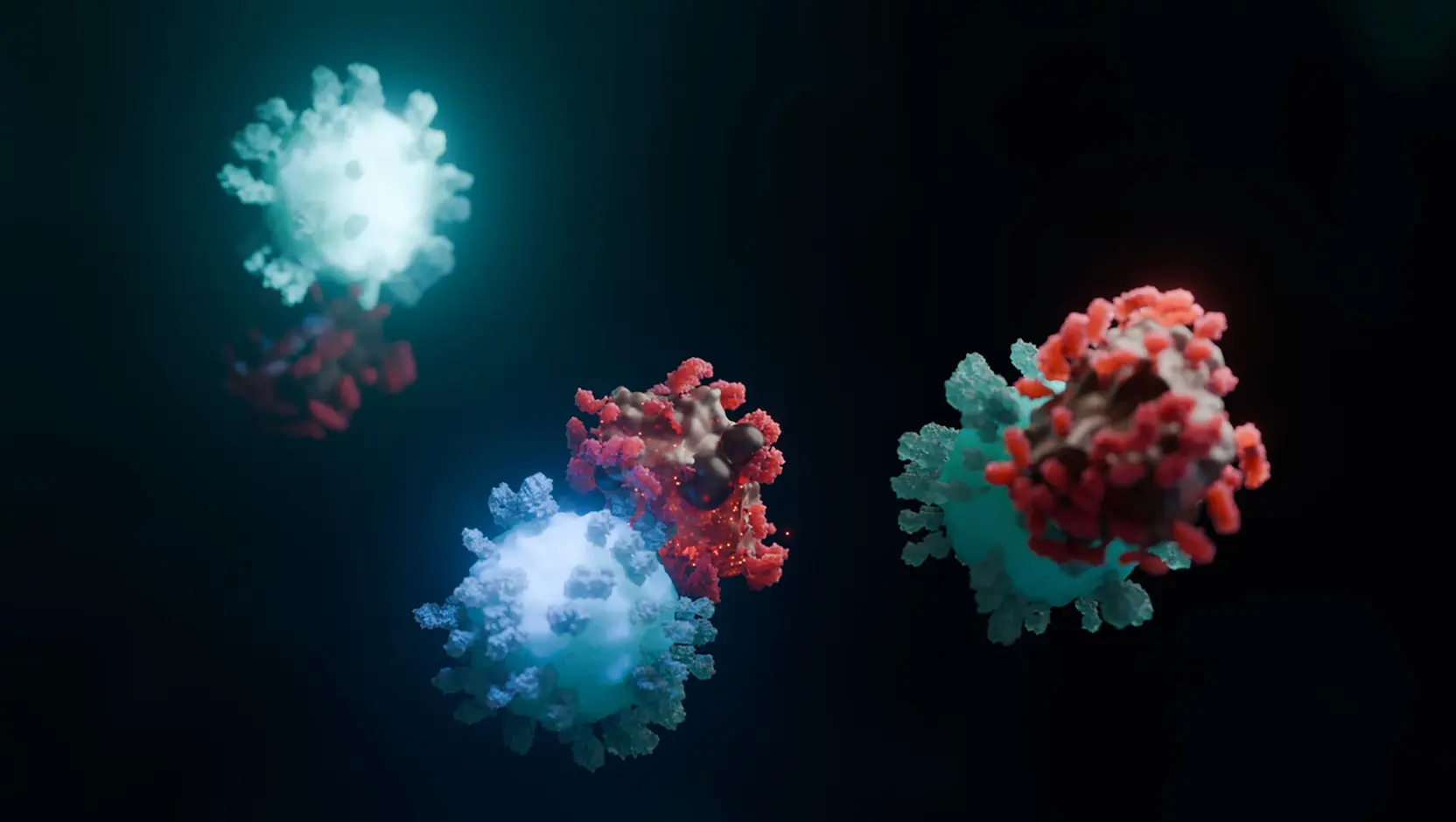
A phase 1 clinical trial led by investigators at Mass General Brigham Cancer Institute and the University of Chicago Medicine Comprehensive Cancer Center has found that an investigational CAR-T therapy can lead to deep and durable responses in people with relapsed/refractory multiple myeloma. Results are published in The New England Journal of Medicine.
Patients with relapsed or refractory multiple myeloma often run out of effective treatment options after multiple rounds of therapy. Adding to this challenge, some existing CAR-T cell therapies targeting BCMA — a protein expressed on the surface of myeloma cells — have been linked to rare but serious neurological side effects.
The research team reported the results from a Phase 1 clinical trial of anitocabtagene autoleucel (anito-cel), an investigational BCMA-targeted CAR-T cell therapy.
All 38 treated participants responded to the therapy, and nearly 80% achieved a complete response. Many experienced long-lasting benefits, with more than half remaining progression-free two years later and 65% still alive after three years. Serious immune-related and neurological side effects were uncommon, and no delayed neurological complications were reported.
“These were great results for a Phase 1 trial,” said senior author Michael R. Bishop, MD, Professor of Medicine and Director of the David and Etta Jonas Center for Cellular Therapy at UChicago Medicine. “Even at a low dose of anito-cel, we were seeing complete responses in the majority of patients right off the bat, and not a single patient developed severe toxicities, so we wanted to investigate further why that might be.”
Based on their laboratory analyses, the researchers hypothesized that anito-cel's engineered BCMA-binding domain maintained cancer-killing activity while limiting excessive immune activation and other features that can impair CAR-T cell function or contribute to toxicity.
“The absence of neurotoxic and inflammatory side effects in this phase 1 study is particularly encouraging, given the serious and potentially lasting impact of these complications,” said lead author Matthew Frigault, MD, vice chair of Clinical Research in Hematology/Oncology and deputy program director of the Cellular Immunotherapy Program at the Mass General Brigham Cancer Institute. “The novel D-domain binder may contribute to this finding, and the combination of compelling efficacy and encouraging safety data lay important groundwork for continuing to investigate this new treatment option for patients."
Anito-cel is currently being evaluated in Phase 2 and Phase 3 clinical trials to confirm these findings in larger populations of patients with multiple myeloma.
The study, “Anito-cel, a D-Domain BCMA CAR-T: Phase 1 Results and Binder Characterization,” was supported by funds from Arcellx and Kite, a Gilead company.
Additional authors include Binod Dhakal, Andrzej J. Jakubowiak, Noopur Raje, Kamalika Banerjee, C. Jenny Mu, Kevin C. Hart, Sigal Shachar, Lawrence P. Andrews, Laurene S. Cheung, Faith M. Griffin, Alexandra R. Witter, Michael Hyde, Chester Pham, Nikitha Gandra, Tenzin Shakya, Bhargavi Rajan, Christa Cortesio, Samuel T. Haile, Heba Nowyhed, Priyanka Nair-Gupta, Priyam Mitra, Rebecca J. Chan, Ana Kostic, Christopher R. Heery, and Jacalyn Rosenblatt.
UChicago Medicine and the Biological Sciences Division continue to be at the forefront of cancer care and research. In April 2027, UChicago Medicine will open the AbbVie Foundation Cancer Pavilion, the state’s first freestanding cancer pavilion, to bring advanced diagnostics, innovative treatments, translational discoveries and comprehensive support to patients and the community.
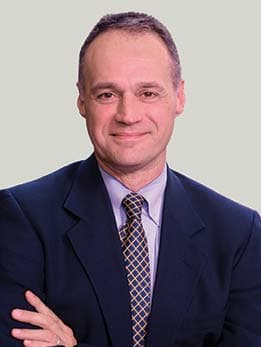
Michael R. Bishop, MD
Michael R. Bishop, MD, specializes in the diagnosis and treatment of lymphomas and leukemias. He is an expert in stem cell transplantation and cellular therapy, including CAR T-cell therapy, an advanced form of immunotherapy.
Learn more about Dr. Bishop
UChicago Medicine Comprehensive Cancer Center
UChicago Medicine is designated as a Comprehensive Cancer Center by the National Cancer Institute, the most prestigious recognition possible for a cancer institution. We have more than 200 physicians and scientists dedicated to defeating cancer.
Learn More About the Comprehensive Cancer Center