
Reversing radiation-activated immune suppression in cancer
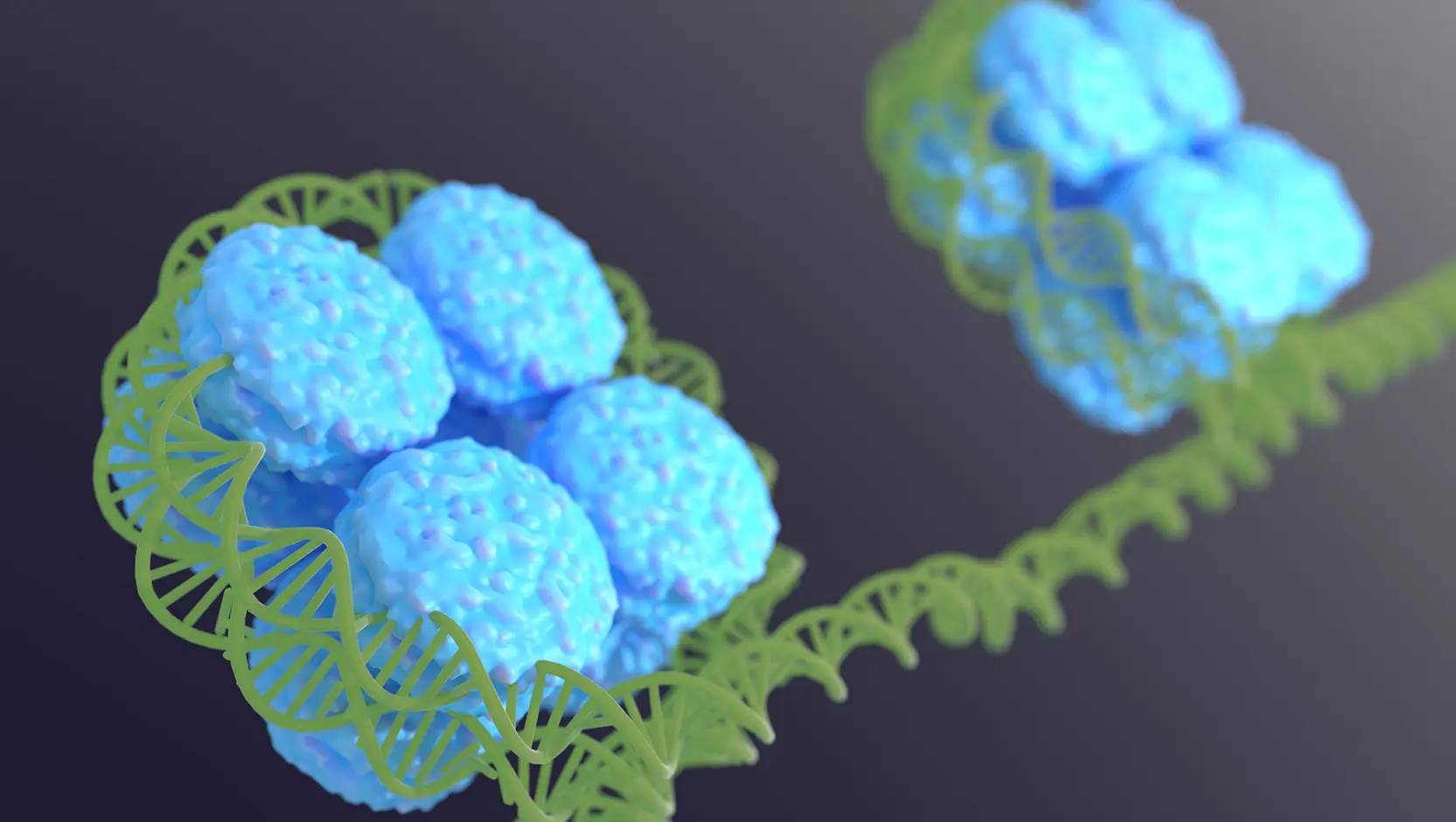
Researchers at the University of Chicago identified a mechanism to make immune cells reprogrammed by radiation therapy attack tumors rather than protect them. The study, published in Cancer Cell, shows that radiation activates a protein called TET2 on immune cells in bone marrow, where it removes chemical tags from RNA and locks these cells into an immune-suppressing state. When the researchers blocked TET2, the same cells began fighting cancer instead, helping radiation and immunotherapy shrink tumors and control metastasis.
When radiation helps the tumor
Radiation therapy, given to 50% to 60% of cancer patients, kills tumor cells by damaging their DNA. In some cases, however, it also triggers the expansion of myeloid-derived suppressor cells (MDSCs), immune cells made in the bone marrow that dampen the body’s defenses against cancer. MDSCs travel to tumors and block CD8+ T cells, the immune system’s main tumor-killing cells. In patients, a rise in MDSCs after radiation is linked to shorter survival and a higher risk of metastasis.
To understand what drives this response, the team analyzed blood samples collected before and after treatment from 33 patients with stage IV non-small cell lung cancer. The patients were enrolled in a clinical trial at UChicago Medicine, combining high-dose, precisely targeted radiation with the immunotherapy drugs nivolumab and ipilimumab. Among all immune cell types, MDSCs had the highest levels of TET2, an enzyme that removes chemical tags called methyl groups from genetic material. TET2 levels rose further after radiation, most sharply in patients whose cancer did not respond.
“We noticed in a couple of clinical trials that patients who had elevated TET2 following radiation did worse,” said senior author Ralph Weichselbaum, MD, Daniel K. Ludwig Distinguished Service Professor and Chair of Radiation and Cellular Oncology at UChicago.
This observation fit well with earlier reports that showed better responses to immunotherapy in patients with TET2 mutations in their blood cells, suggesting that TET2 may act as a barrier to effective treatment.
Reprogramming myeloid cells
To test this hypothesis directly, the researchers studied mouse models in which TET2 was deleted only in myeloid cells. In models of colon cancer, melanoma and lung cancer, these mice showed slower tumor growth after radiation, longer survival and fewer, smaller lung metastases than normal mice. The team found that radiation activates p53, a protein that senses cellular damage, which in turn switches on TET2. This happens in the bone marrow within a day of radiation, before the reprogrammed cells reach the tumor.
TET2 is best known for removing methyl groups from DNA, but earlier work by co-senior author Chuan He, PhD, the John T. Wilson Distinguished Service Professor of Chemistry and of Biochemistry and Molecular Biology at UChicago and a Howard Hughes Medical Institute Investigator, showed that it also acts on RNA. In the current study, TET2 removed a mark called 5-methylcytosine (m5C) from chromatin-associated RNAs, which sit on the tightly packaged DNA inside the nucleus. Losing these marks caused chromatin to compact, silencing genes for type I interferon, a signal that alerts the immune system to threats such as cancer.
“Our previous work showed that an RNA methylcytosine-based pathway is the main mechanism underlying the tumor suppressor function of TET2. It is gratifying to see that the same RNA pathway also accounts for TET2-mediated immune modulation,” He said. “It has been a pleasure to collaborate with Weichselbaum's team.”
Without TET2, the RNA marks stayed in place and attracted a protein called MBD6, which helps open chromatin and keep the interferon pathway active. The myeloid cells then developed into a previously undescribed cell type named myeloid-derived activating cells (MDACs). Unlike MDSCs, MDACs present pieces of tumor proteins to CD8+ T cells and prime them to attack cancer. Transferring MDACs into tumor-bearing mice slowed tumor growth, and a genetic signature of MDACs was linked to better survival in patients across multiple cancer types.
Restoring antitumor immunity
Because gene deletion is not an option in patients, the team tested an experimental TET2-blocking drug and observed slow tumor growth, a reduced number and size of lung metastases when the drug was combined with radiation, and an improved response to immunotherapy.
“If you block TET2, you change these immunosuppressive myeloid cells into an immunostimulant, antigen-presenting myeloid compartment that enhances immunotherapy and radiotherapy responses in mice and markedly decreases distant metastasis,” Weichselbaum said.
Therapeutic implications
The findings suggest that radiation resistance is not fixed but a reversible program that can be redirected by targeting the epigenetic machinery of immune cells. The chromatin-associated RNAs that control this switch could also serve as drug targets. The team is now exploring how TET2 inhibitors might be tested with radiation therapy in patients.
“It points the way towards not only targeting TET2, but targeting these chromatin associated RNAs,” Weichselbaum said. “I think it’s a way maybe to prevent or treat metastasis.”
The study, "Myeloid reprogramming generates myeloid-derived activating cells to potentiate radiotherapy and suppress metastasis” was supported by the National Institutes of Health, the Chicago Tumor Institute, and the Lung Cancer Research Foundation.
Additional authors include Fei Ji, Lei Zheng, Dapeng Chen, Peng Xia, Zhongyu Zou, Wei Liu, Jason Bugno, Emile Naccasha, András Piffkó, Chuangyu Wen, Kangdi Li, Liping Xu, Sean Luo, Xiaona Huang, Jiaai Wang, Chengwei Ju, Bei Liu, Yiyi Ji, Han Li, Steven Chmura, Sean Pitroda, and Hua Laura Liang from the University of Chicago.
UChicago Medicine and the Biological Sciences Division continue to be at the forefront of cancer care and research. In April 2027, UChicago Medicine will open the AbbVie Foundation Cancer Pavilion, Chicago’s first freestanding cancer pavilion, to bring advanced diagnostics, innovative treatments, translational discoveries, and comprehensive support to patients and the community.

UChicago Medicine Comprehensive Cancer Center
UChicago Medicine is designated as a Comprehensive Cancer Center by the National Cancer Institute, the most prestigious recognition possible for a cancer institution. We have more than 200 physicians and scientists dedicated to defeating cancer.
Learn More About the Comprehensive Cancer Center