
Study shows trauma center makes a lifesaving difference
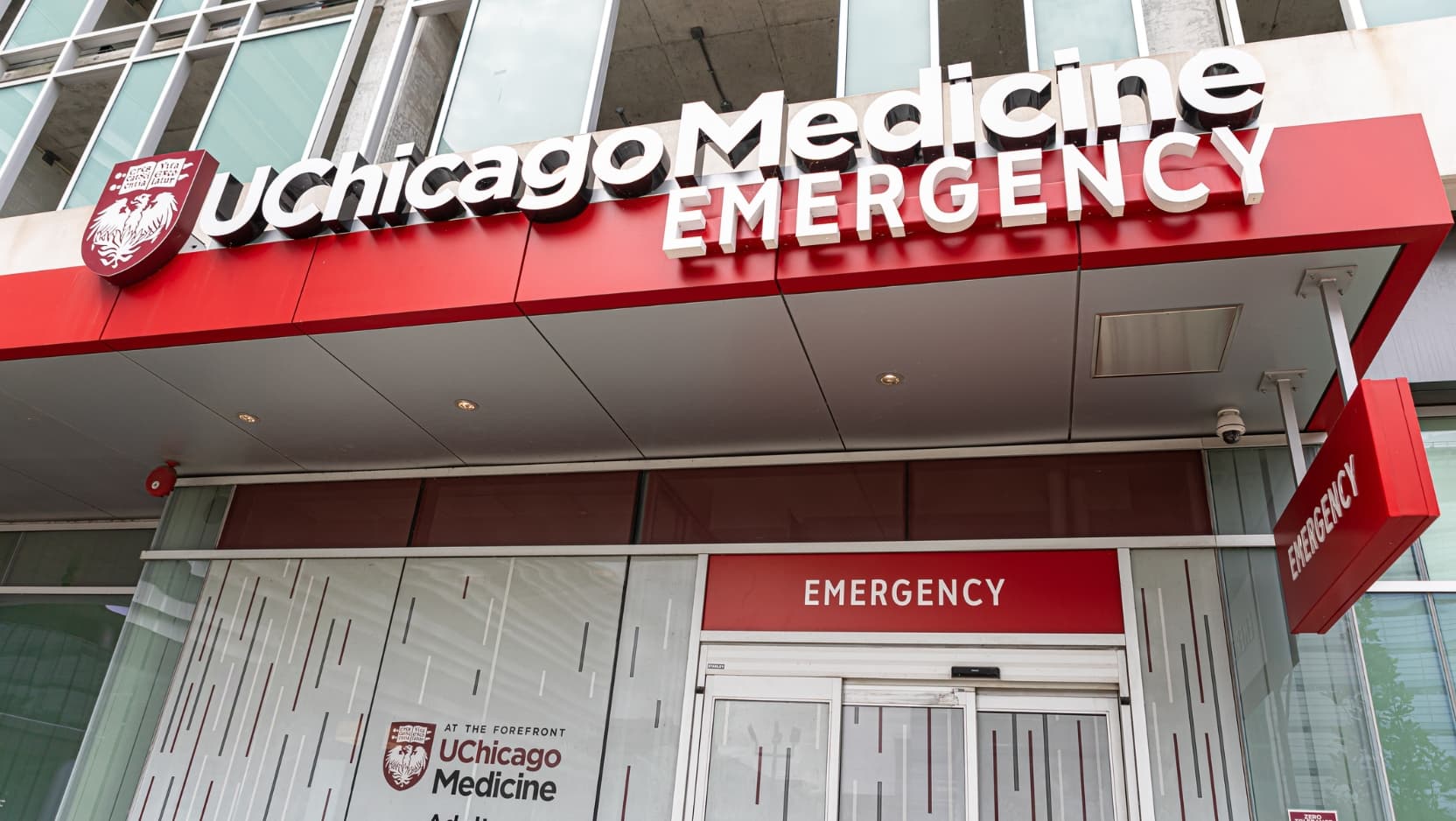
For decades, Chicago’s South Side neighborhoods have experienced high rates of firearm violence, making speedy access to expert trauma care a matter of life and death. A recent study in JAMA Surgery helps quantify the impact of critical care: the opening of the University of Chicago Medicine’s Level 1 trauma center in 2018 was associated with a nearly 4% reduction in firearm mortality, thanks to faster and closer emergency treatment.
“The findings show that careful placement of trauma centers in or near communities impacted by gun violence can save lives,” said first author Michael Poulson, MD, MPH, a trauma surgery fellow at UChicago Medicine.
Poulson and his fellow researchers gathered and analyzed public data on more than 45,000 firearm-related incidents across Chicago between 2010 and 2024. Using mapping tools and statistical techniques, they analyzed trends in travel times, distances, and mortality rates before and after the center became operational in May 2018, comparing similar data from the rest of the city as well.
Within the UChicago Medicine service area — defined as the region in which the new trauma center became the nearest option for gunshot victims under standard emergency transport protocols — the time it took for shooting victims to reach a trauma center dropped by nearly 10 minutes on average after May 2018, and the distance traveled decreased by about 3.4 miles. These significant reductions in delay were not replicated in other parts of the city.
Furthermore, the researchers found that the percentage of shooting victims who died in this area decreased by 3.9% after the trauma center opened.
“To put that in perspective, for every 1,000 shooting injuries in the service area, our estimates suggest about 39 lives were saved who might not have survived without this improved access,” Poulson said. “It’s not just about the percentage change: Surviving a gunshot wound means a loved one can reunite with their family, recover, and move beyond trauma.”
This drop in mortality appears in stark contrast to previous years’ trends towards worse outcomes for shootings in Chicago.
“This is a clear example of how improving access to trauma care has a tangible, lifesaving effect,” said Selwyn O. Rogers, Jr., MD, MPH, Section Chief of Trauma and Acute Care Surgery and the trauma center’s founding director. “When someone suffers a critical injury, every minute between injury and treatment matters.”
The study authors recommend that policymakers and other health systems use this type of analysis to guide decisions about where trauma centers should be located, especially in urban areas with high levels of firearm violence.
“Data like this can help ensure that resources for emergency care are invested where they will make the biggest difference,” Poulson said.
With sustained attention to trauma system planning, the approach taken in Chicago could help inform other cities aiming to reduce firearm mortality for their citizens.
“Firearm Mortality and Equitable Access to Trauma Care in Chicago” was published in JAMA Surgery in February 2026. Co-authors are Michael Poulson, Andrew Benjamin and Dane Scantling.
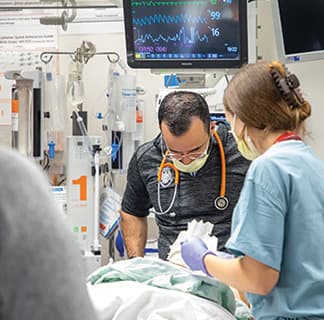
Level 1 Adult Trauma Center
The University of Chicago Medicine is designated as a Level 1 Adult Trauma Center, meaning the hospital is prepared to handle the most seriously injured trauma patients 24 hours a day, seven days a week.
Learn more About our Trauma Care