
Specialized UChicago Medicine program makes ‘impossible’ kidney transplant a reality
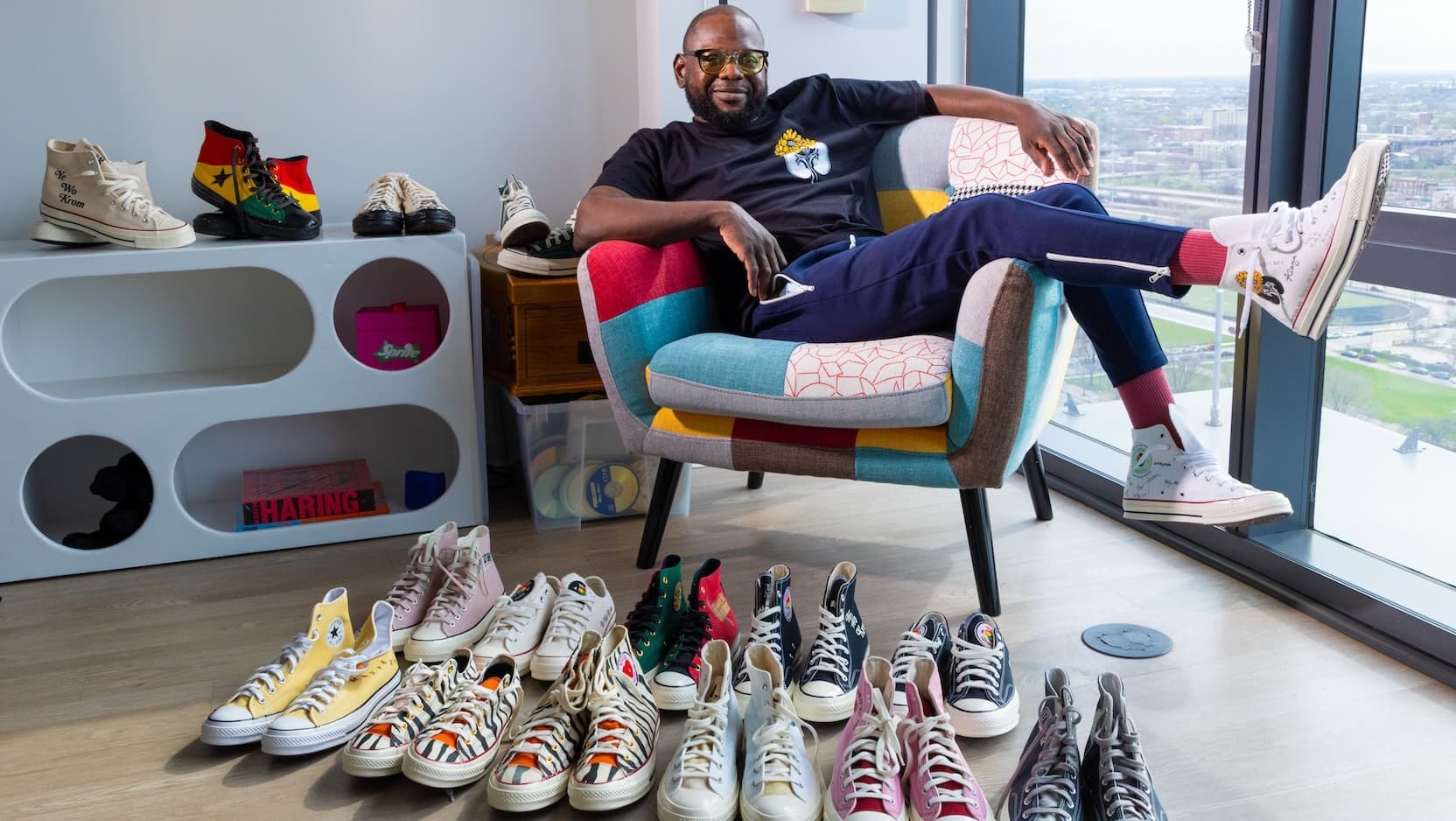
For 13 years, Eddie Oppong waited for a kidney transplant that his body would accept.
Oppong has a very highly sensitized immune system. This means his blood has a high antibody count that causes the body to view an organ donor’s genetic markers as foreign invaders.
As a result, “his body would reject 99.9% of the donor organs available,” said Yousuf Kyeso, MD, a University of Chicago Medicine transplant nephrologist. “It can be almost impossible for someone like Eddie to find a donor match.”
Of the 100,000 people on the donor kidney waiting list, 11% are highly sensitized and 2% are very highly sensitized, according to the American Journal of Transplantation. The condition can occur after a previous transplant.
Born with a single kidney affected by congenital kidney disease, Oppong first had a kidney transplant at age 9. But in his early 20s, he developed end-stage renal disease and the organ began to fail.
In 2013, at age 22, he required dialysis — a treatment that performs the kidneys’ core functions — to survive. He needed another kidney transplant.
Transplant for highly sensitized patients
Oppong, a shoe and streetwear designer living in the South Loop, searched nationwide for a donor kidney. He found an option in his own backyard.
A friend told him about UChicago Medicine’s HLA-Incompatible Kidney Transplant program, which uses medications and a special procedure to help highly sensitized patients prepare their bodies to receive an organ transplant.
Launched in 2023, it is one of only a handful of programs nationwide to address this condition.
A team of transplant surgeons, nephrologists, immunologists, nurse coordinators and pharmacists offer several types of therapeutics, some of which may be combined:
- Plasmapheresis, which uses a machine to slowly clean the blood of antibodies. The 2- to 4-hour sessions are done three times a week for several weeks. Medication is also given to stop the antibodies from returning.
- Medications used to treat certain cancers, such as lymphoma, as well as those that help prevent organ rejection and the recurrence of antibodies. The novel use of these drugs for highly sensitized patients was first tested by University of Chicago researcher Anita S. Chong, PhD, and transplant surgeon Piotr Witkowski MD, PhD.
- A blood cancer drug that can block antibodies.
“The treatment requires a lot of work, patience and time to get to the end result, but it's worth it,” said Kyeso, the program's director. “These are patients in desperate need of a transplant. Without this program, the chances they’d get one are next to zero.”
Roller coaster ride for a new kidney
In September 2024, after more than a decade on the donor list, Oppong was thrilled to hear that a kidney was available to him. However, when that donor kidney was tested, it was deemed to be a poor match for him. Oppong was devastated.
“I have experienced the stress and struggles of kidney disease for the past 13 years, and believe me, dialysis is not easy,” he said. “It was very tough, mentally.”
In December 2025, Oppong started plasmapheresis and desensitization medications to help lower his antibodies. A few weeks later, a kidney from a deceased donor became available. But by then, his antibody levels had shot back up and were too high to do the transplant.
Oppong, who describes himself as a “stubborn patient,” refused to give up. He begged to be retested for antibodies after having another round of plasmapheresis. Kyeso agreed to try it.
The antibodies remained high on the second test, but Kyeso devised a way to quickly reduce them using medication.
“Luckily for me, this whole time, he was figuring out a way this transplant could work,” Oppong said. “And it did.”
Oppong had a successful kidney transplant on Jan. 29, 2026.
“The surgery itself is the same, but the management before, during and after is different for highly sensitized patients,” said Witkowski, who performed the transplant. “That’s because there’s an increased risk of surgical complications or side effects from the medications we’re using, which are higher than the standard dose.”
‘Beyond grateful’
Today, Oppong said he feels great and his new kidney is functioning well. For the first time in 13 years, he no longer needs dialysis.
Although organ rejection is possible in the first year, so far all of his tests are encouraging and his prognosis is “excellent,” Kyeso said.
“If everything goes well, this kidney could last him decades,” Witkowski added.
Oppong, 35, who documented his transplant journey on Instagram, is also a creative director who creates passion projects around Converse shoes. He also has his own brand, Ye Wo Krom, rooted in his family’s Ghanaian culture.
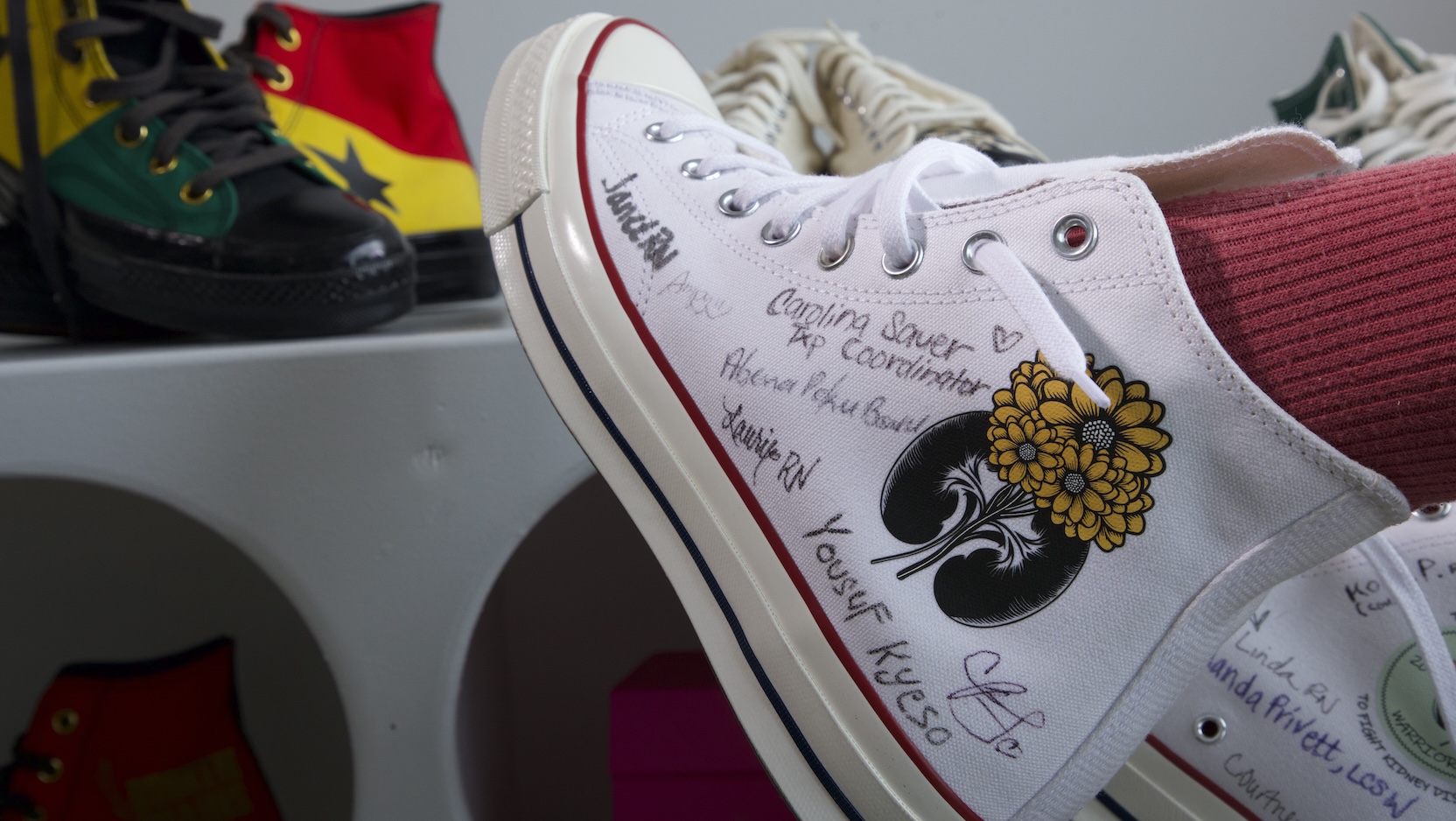
He’s now an advocate for organ donation, doing fundraising walks and designing a line of “FLOWERS FOR KIDNEY WARRIORS” merchandise that includes custom high-top sneakers.
Everyone on his transplant team signed a pair, which he keeps as a memento.
“They fought so hard for me, and I am beyond grateful,” Oppong said. “This new lease on life is something I prayed for, and now that it has arrived, the sky is literally the limit.”
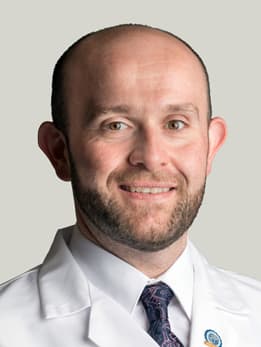
Yousuf Kyeso, MD
Yousuf Kyeso, MD, is a clinical transplant nephrologist and assistant professor of medicine at the University of Chicago.
Learn more about Dr. Kyeso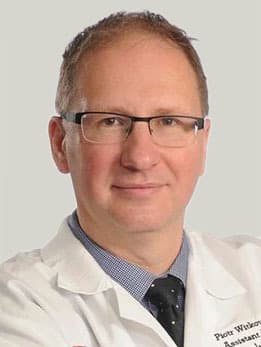
Piotr Witkowski, MD, PhD
Dr. Witkowski is a leading expert in islet transplantation. He was instrumental in developing an optimized islet isolation technique that greatly improved success in clinical transplants.
Learn more about Dr. Witkowski