
No sweat: Teen’s outpatient surgery for hyperhidrosis brings instant relief

Berkley Blust’s hands used to sweat so much, she struggled to hold her cell phone.
“It would slip out of my hands daily,” the 16-year-old said.
The problem first started in childhood, when Berkley recalled her mother holding her always-wet hand. In her tween years, the sweating appeared on her feet and armpits, too.
She was diagnosed with hyperhidrosis, a severe sweating condition that occurs daily, often unprompted.
“I was so fed up with it,” Berkley said. “I just couldn’t take my hands dripping anymore.”
She wasn’t alone. Several family members — including her father, Kyle — also had hyperhidrosis.
Kyle cured his condition in 2007 with an outpatient surgery at the University of Chicago Medicine called bilateral video-assisted thoracoscopic (VATS) sympathotomy. It involves cutting the nerve signals that cause excessive sweating.
Eighteen years later, Berkley had the same surgery at UChicago Medicine. Her sweating stopped immediately.
“People with hyperhidrosis suffer in silence and think they have to be sweaty,” said Maria Lucia Madariaga, MD, a University of Chicago Medicine thoracic surgeon who treated Berkley. “They don’t know that there’s a surgical option that fixes the problem and eliminates the condition entirely.”
What causes hyperhidrosis?
Hyperhidrosis is a condition where the body’s sympathetic nervous system sends abnormal signals to the sweat glands. This overstimulates the glands, causing a person to excessively sweat all the time, regardless of their temperature or stress level. It can be worsened by stress, anxiety, a warm temperature and physical activity.
The resulting perspiration can occur all over the body, including the scalp, arms and legs. But it most often appears as “focal sweating” on the palms, underarms and soles of the feet.
Approximately 15.3 million Americans have this condition, according to the International Hyperhidrosis Society. While a clear genetic link hasn’t been established, it does run in families, Madariaga said.
Hyperhidrosis impacts a person’s quality of life, making it embarrassing to do things like shake hands or hug. It can also cause a struggle with things like wearing sandals or holding a steering wheel.
“It causes a lot of anxiety,” said UChicago Medicine physician assistant Laura Cin, MS, PA-C. “It’s socially embarrassing and hard to live with.”
Treatment and surgery for excessive sweating
Hyperhidrosis treatment typically starts with prescription-strength antiperspirants and sweat-absorbing products. Medications may help but can also cause side effects, Cin said.
Because the sweating can cause skin rashes, people often first see a dermatologist who might recommend Botox injections. This can temporarily stop the sweating, Cin said, but it’s expensive and must be done every 8 to 12 weeks.
The typical next step is bilateral VATS sympathotomy. The surgery is highly effective, but only for hyperhidrosis patients with focal sweating, Cin said.
During a bilateral VATS sympathotomy, a surgeon makes two, 3-millimeter incisions — each the size of a ballpoint pen — in the upper chest. Each lung is temporarily deflated as minimally invasive tools cauterize the troublesome sympathetic ganglia nerve fibers along the spine.
“The point of the surgery is to interrupt that abnormal signal,” Madariaga said.
The surgery itself is relatively simple and only takes about 20 minutes, so no overnight hospital stay is needed, Madariaga said.
“Most patients take a Tylenol afterward and can go back to work the next day if they want,” she said. “Afterward, they’re some of the happiest patients I see clinically.”
Total game changer
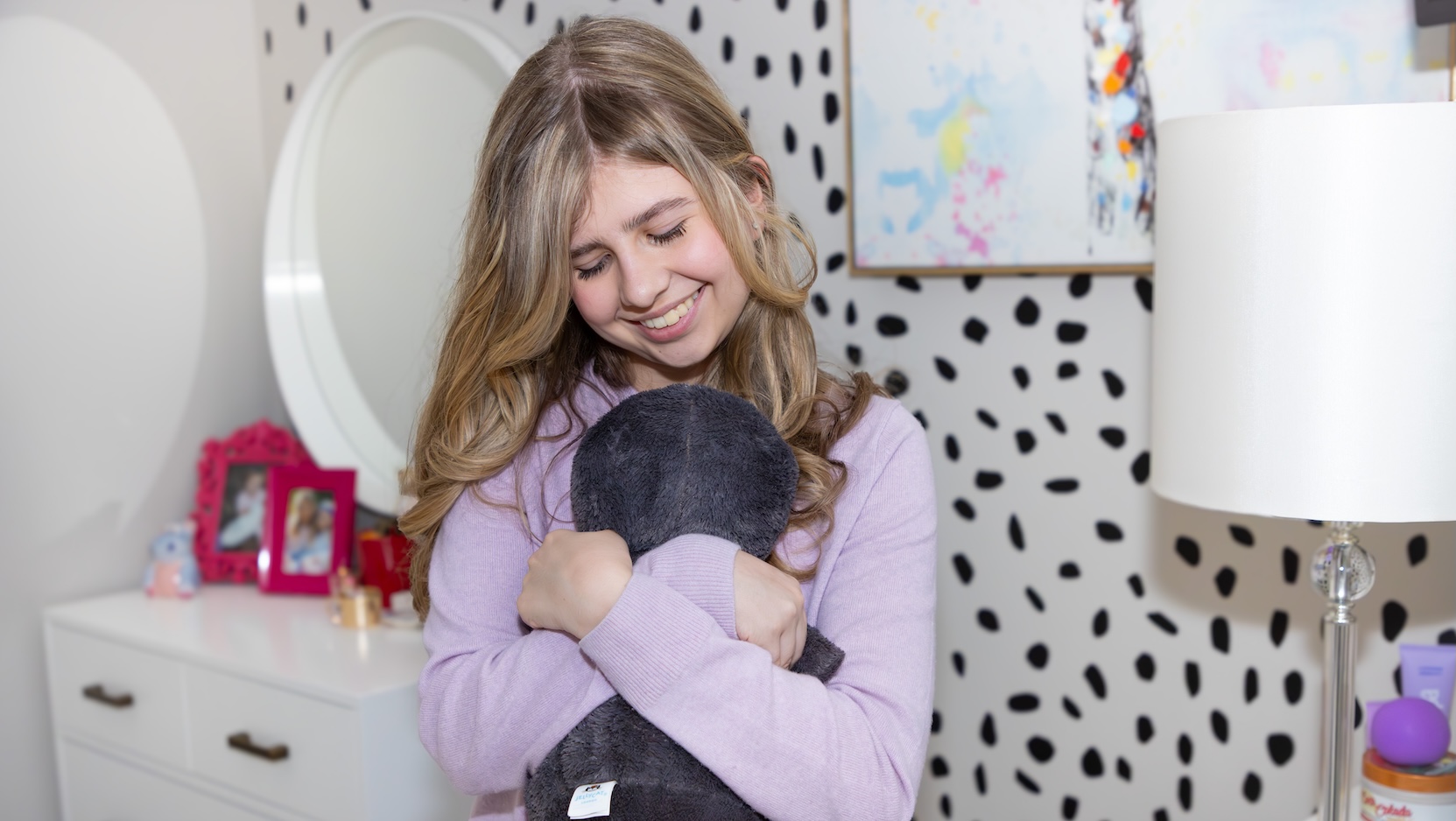
Berkley, who had an in-utero stroke and became a patient advocate for the International Children’s Advisory Network, spent years trying different hyperhidrosis treatments. Nothing helped.
“When I found out this surgery was an option for me, I said to my mom, ‘Please, please, please let me do this!’,” she said. “My hands haven’t sweat since I woke up in the recovery room.”
Berkley had the surgery in July 2025. She had a few days of chest pain and soreness afterward, but said it was well worth it.
Kyle feels the same way, calling his bilateral VATS sympathotomy “game changing.”
As a teen, his sweaty hands would soak through his test papers. Then, when he started his career in the fitness industry, he was reluctant to high-five or shake hands with clients.
Since the surgery, he’s opened an athletic training business in Old Town.
“I’d recommend the surgery to anyone who’s going through this,” Kyle said.
To learn more about hyperhidrosis treatment options, call 773-702-2500. Callers will answer a questionnaire and will either receive a referral to a UChicago Medicine dermatologist or to Madariaga to discuss surgery.

Maria Lucia Madariaga, MD
Maria Lucia Madariaga, MD, is a highly skilled thoracic surgeon who specializes in a wide range of lung conditions, including airway disorders, benign and cancerous esophageal disease, and metastatic tumors.
Learn more about Dr. Madariaga