
How to spot early signs of nerve injury: Symptoms and treatment options
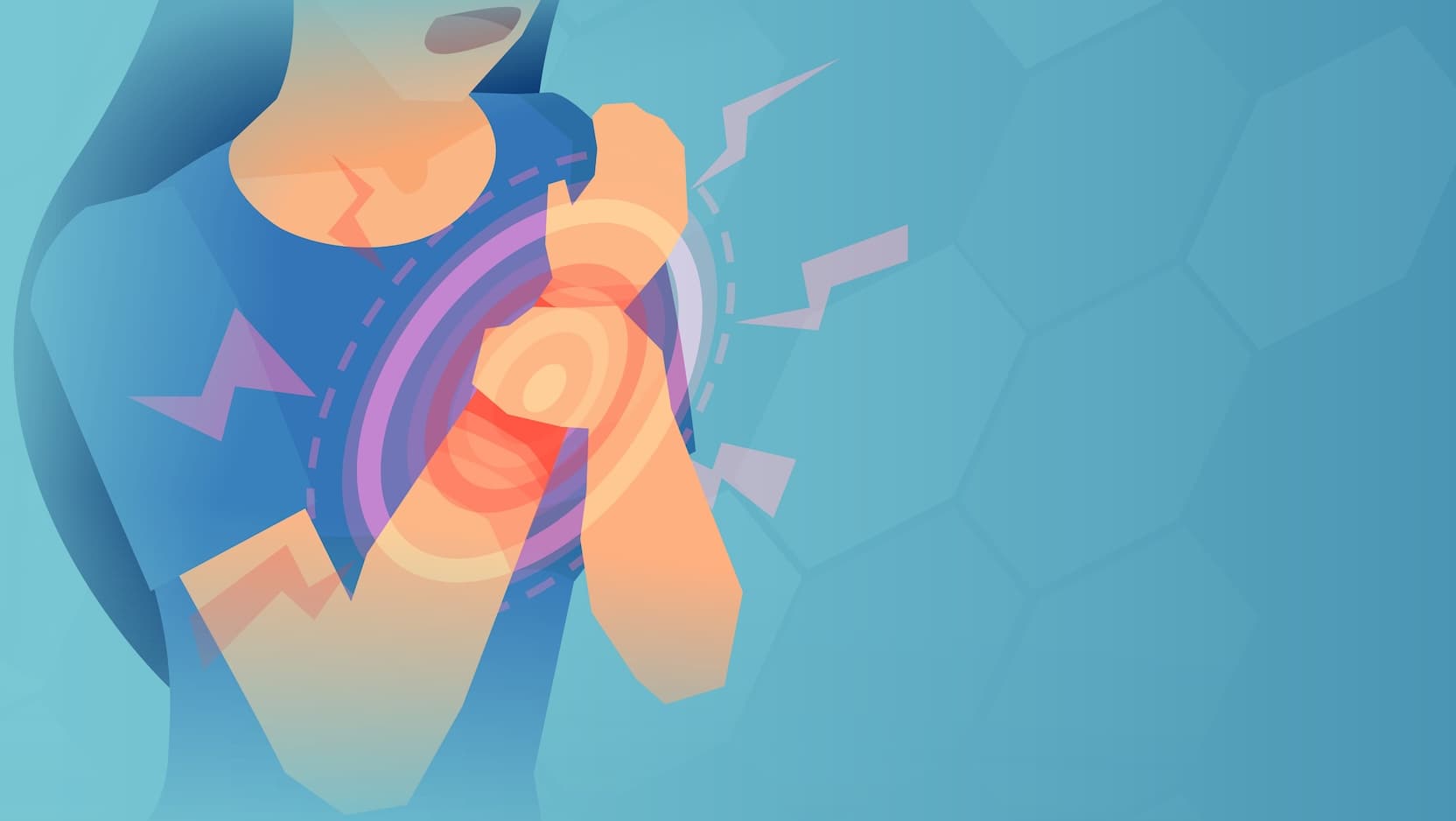
Nerves are the body’s communication network. They carry messages between the brain, spinal cord and every part of the body, making it possible to experience and move in the world around us.
But when a nerve is injured — whether from a minor accident, such as a simple finger cut, to severe trauma like a car accident — it can have a profound impact on your ability to move, feel and enjoy daily activities.
Fast action and the right care are crucial.
At the University of Chicago Medicine, our multidisciplinary team includes peripheral nerve surgeons, neurologists, radiologists, physical therapists and pain management specialists who work together closely with patients to restore their quality of life after a nerve injury.
Our Brachial Plexus and Peripheral Nerve Injury Clinic offers care personalized to each person’s symptoms and goals. We use pain management, physical therapy and cutting-edge nerve repair and reconstruction techniques to reduce pain and bring back function and mobility.
Here are some answers to common questions about nerve injury.
How do nerve injuries happen?
Peripheral nerves connect the brain and spinal cord to the rest of the body. They control muscle movements, manage automatic functions like breathing and digestion, and send sensory information back to the brain.
These nerves also carry pain signals after an injury, alerting us to take action and protect the area.
However, severe trauma can directly damage a nerve, making it harder for the nerve to transmit these crucial signals.
Nerve injuries often result from major incidents like falls, fractures, car accidents or surgeries. But even simple, everyday actions — such as slicing your finger while cooking — can harm a nerve.
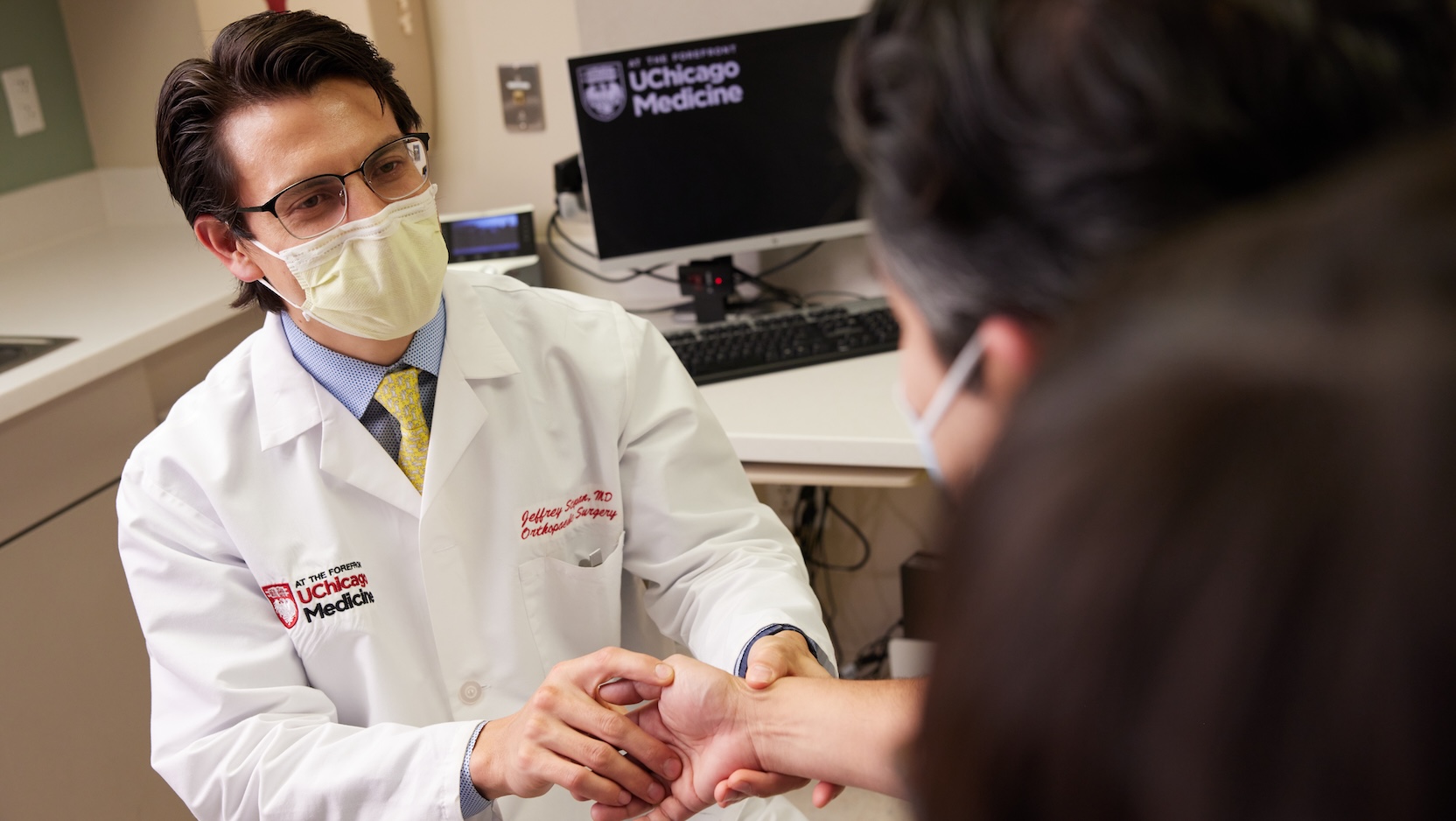
What does nerve injury feel like?
Nerve pain is unlike typical pain. It might feel sudden and electric, shooting down your arm or leg, depending on the injury site.
Common symptoms of nerve injury include:
- Loss of sensation
- Weakness or reduced movement in hands, fingers or feet
- Increased sensitivity
- Numbness, burning, twitching or tingling
Pay attention to your body. If you suspect you have nerve damage, contact a nerve specialist to help diagnose your condition, treat it and avoid further complications.
Types of common nerve injuries
Each type of nerve injury has its own range of symptoms and challenges. Recognizing where the injury is located is a key step in choosing the right treatment and recovery plan.
- Neck and shoulder nerves: Injury here can cause pain, weakness or numbness in the shoulder, arm or hand — and may make it hard to lift objects or move the arm normally.
- Median, musculocutaneous, radial and ulnar nerves (arm and hand): An injury may cause weak grip strength or numbness in the thumb, index and middle fingers (median); difficulty bending the elbow (musculocutaneous); trouble moving the wrist and fingers (radial); or weakness in the hand, poor fine motor control or numbness in the ring and pinky fingers (ulnar).
- Femoral, peroneal, sciatic, and tibial nerves (leg and foot): Damage commonly leads to difficulty walking, foot drop (trouble lifting the front of the foot) or loss of sensation in the lower leg and foot.
How nerve injuries are diagnosed
If a nerve is injured, it is vital to understand the severity of the injury. Physical examination, imaging and other tests may be used to assess the situation.
Cut or severely injured nerves often require timely surgery to allow the nerve to regrow to the muscle within about 18 months for the best chance at restored function. Waiting longer to treat severely injured nerves increases the risk of irreversible muscle loss.
Diagnosis starts with a physical examination to check for loss of sensation and movement. To assess nerve function, doctors might use:
- NCV (nerve conduction velocity) tests to measure how signals travel through nerves
- EMG (electromyography) to evaluate muscle and nerve function
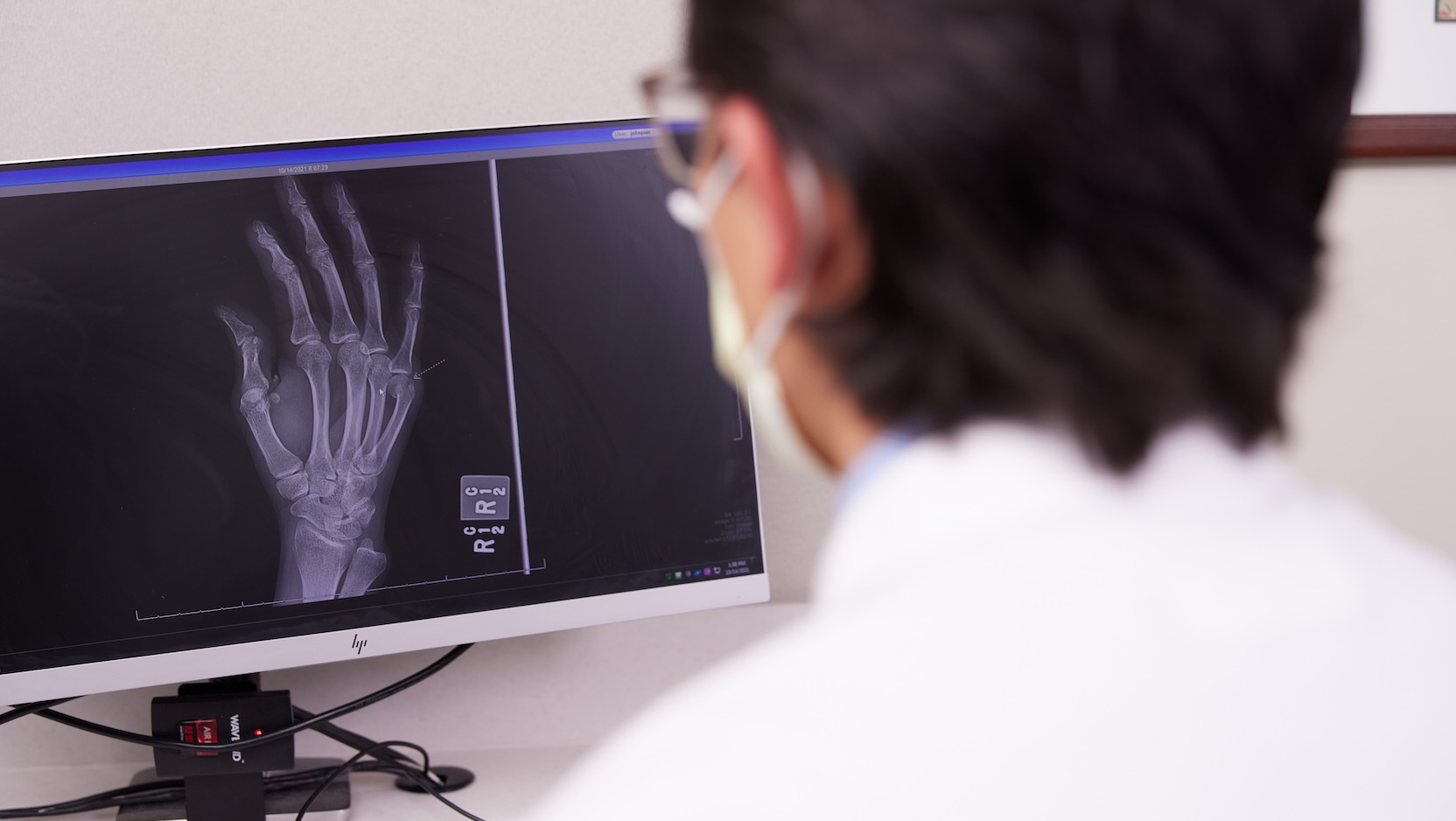
Sometimes, nerves are just bruised or stretched, and they may heal naturally. Doctors use imaging tools like ultrasound and magnetic resonance neurography (MRN) — a special MRI technique — to see the nerves more clearly.
If the nerve still works and imaging shows it isn’t severed, there’s a good chance for natural healing. In those cases, we monitor progress with repeat testing.
Pain management vs. surgery for nerve injuries
Our pain management specialists create personalized plans using medications and procedures, including special nerve blocks that can decrease the overactivity of a nerve causing inflammation — or even target a specific nerve to cut off the pain signal from the nerve to the brain.
Another intervention known as neuromodulation uses electricity to help reprogram the way nerves send painful signals to the brain. Neuromodulation devices can be temporarily or permanently implanted.
If natural recovery isn’t possible, surgery for nerve injury may help. Options include:
- Direct nerve repair, where damaged tissue is removed and healthy ends are stitched together
- Nerve grafts that use tissue from another body part or a donor to bridge the damaged areas so nerves can regrow
- Tendon or nerve transfers, which move a healthy nerve or tendon from another part of the body to stimulate function in an area affected by nerve injury.
The Brachial Plexus and Peripheral Nerve Injury Clinic stays at the forefront of surgical techniques and clinical trials. We are committed to offering the newest therapies to help restore nerve function.
The goal is always to help you regain function and improve your quality of life after a nerve injury.

Jeffrey G. Stepan, MD, MSc
Jeffrey G. Stepan, MD, MSc, is a highly skilled orthopaedic hand and upper extremity surgeon specializing in the treatment of traumatic injuries and atraumatic conditions of the hand, wrist, and elbow in adult and pediatric patients.
Learn more about Dr. Stepan