
How dangerous are e-bikes and e-scooters? A pediatric surgeon explains the risks
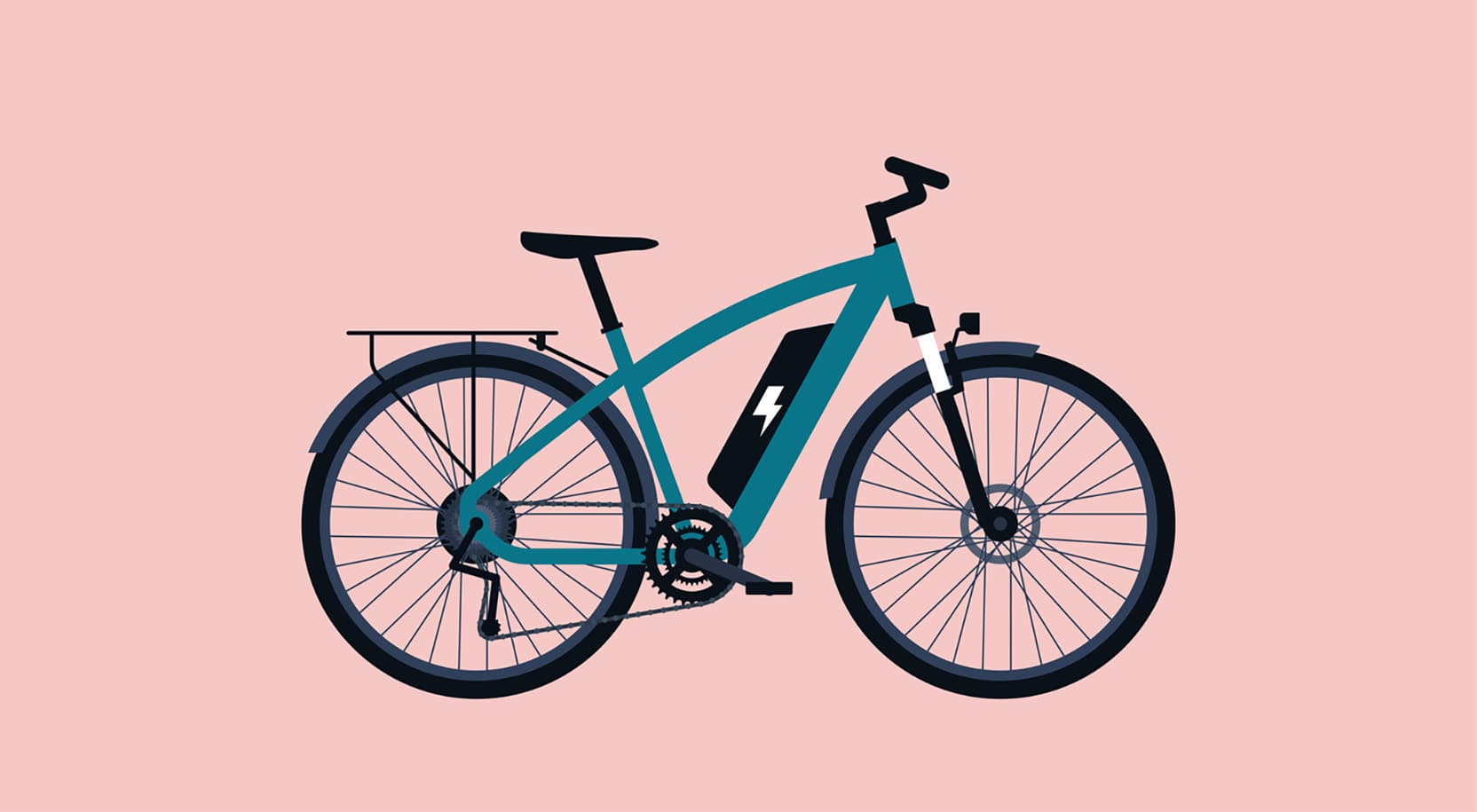
Electric bikes and scooters have exploded in popularity, especially among young people using them to get around.
Parents need to understand the risks.
Recent studies show a sharp rise in e-bike accidents, emergency room visits and fatalities, including a 300% rise in incidents involving children. In Chicago alone, three teens have died this year in e-scooter crashes.
Kids often don’t know the rules of the road or how to control these vehicles. Their brains are still developing, especially the parts that help with attention and quick reactions, making it harder to avoid collisions.
As a pediatric surgeon who has treated e-bike and e-scooter injuries, I want to raise awareness about the dangers of these powerful vehicles and how to stay safe.
Why e-bikes and e-scooters are dangerous for kids
Simply put, these are toys with powerful motors that make them much faster than regular bikes or scooters. Some teens even remove speed limiters, pushing speeds from 20 mph to 30 mph or more.
E-bikes fall into these classes (e-scooters have a similar classification):
- Class 1: Pedal-only with no throttle, maximum speed of 20 mph
- Class 2: Pedal- and throttle-assist, top motor speed of 20 mph
- Class 3: Pedal-assist only, motor providing power up to 28 mph
Most children shouldn’t ride them. Starting Jan. 1, 2027, Illinois law requires riders to be at least 15 for Class 1 or Class 2 e-bikes and 16 for Class 3. Faster e-bikes will require a driver’s license, registration and insurance.
Common e-bike injuries can be serious
E-bikes and e-scooters are heavier and faster than nonmotorized versions, so the crashes often cause more severe injuries. Broken bones and head injuries are common, with head trauma being especially serious in children.
For example, if a car door opens suddenly, a rider can lose control and fall over the handlebars, risking abdominal injuries from the bars. Emergency rooms are seeing traumatic brain injuries, fractures and internal organ damage that may require ICU care and long-term therapy.
How parents can protect young riders on electric vehicles
The American Academy of Pediatrics has issued guidelines that advise families to use caution before letting children ride e-bikes or scooters. Parents should:
- Check local laws on minimum riding age and allowed vehicle types
- Ensure the child can safely ride a regular bike and follow traffic rules
- Consider where the child will ride and the traffic conditions
- Provide proper helmets: a bike helmet for speeds under 20 mph; an NTA-8776 certified helmet for speeds up to 28 mph; or a DOT-approved motorcycle helmet for faster speeds
Wearing protective gear like armored gloves and jackets helps, especially at night when bright, reflective clothing improves visibility.
Top safety tip: Stay focused
Distraction is a major cause of crashes. Avoid using phones, earbuds or riding with one hand. Riders must stay alert and be ready to brake quickly.
The faster the vehicle, the faster your reaction needs to be. This is why riders need to be very experienced with slower vehicles before graduating, at the appropriate age and time, to these faster motorized vehicles.
Remember, families should treat e-bikes and e-scooters like motor vehicles, not toys. Careful preparation can prevent serious injuries and keep young riders safe.

Marion Henry, MD, MPH
Marion C. W. Henry, MD, MPH, is a highly experienced pediatric surgeon who provides care to children of all ages who suffer from a wide spectrum of ailments. Her expertise encompasses the treatment of neonatal diseases and congenital malformations, prenatal counseling, childhood cancers, aerodigestive disorders, hernias and hydroceles, pediatric colorectal disease and thoracic lung abnormalities.
Learn more about Dr. Nawas