
Why do kids wet the bed? Causes, treatments and when to call a doctor
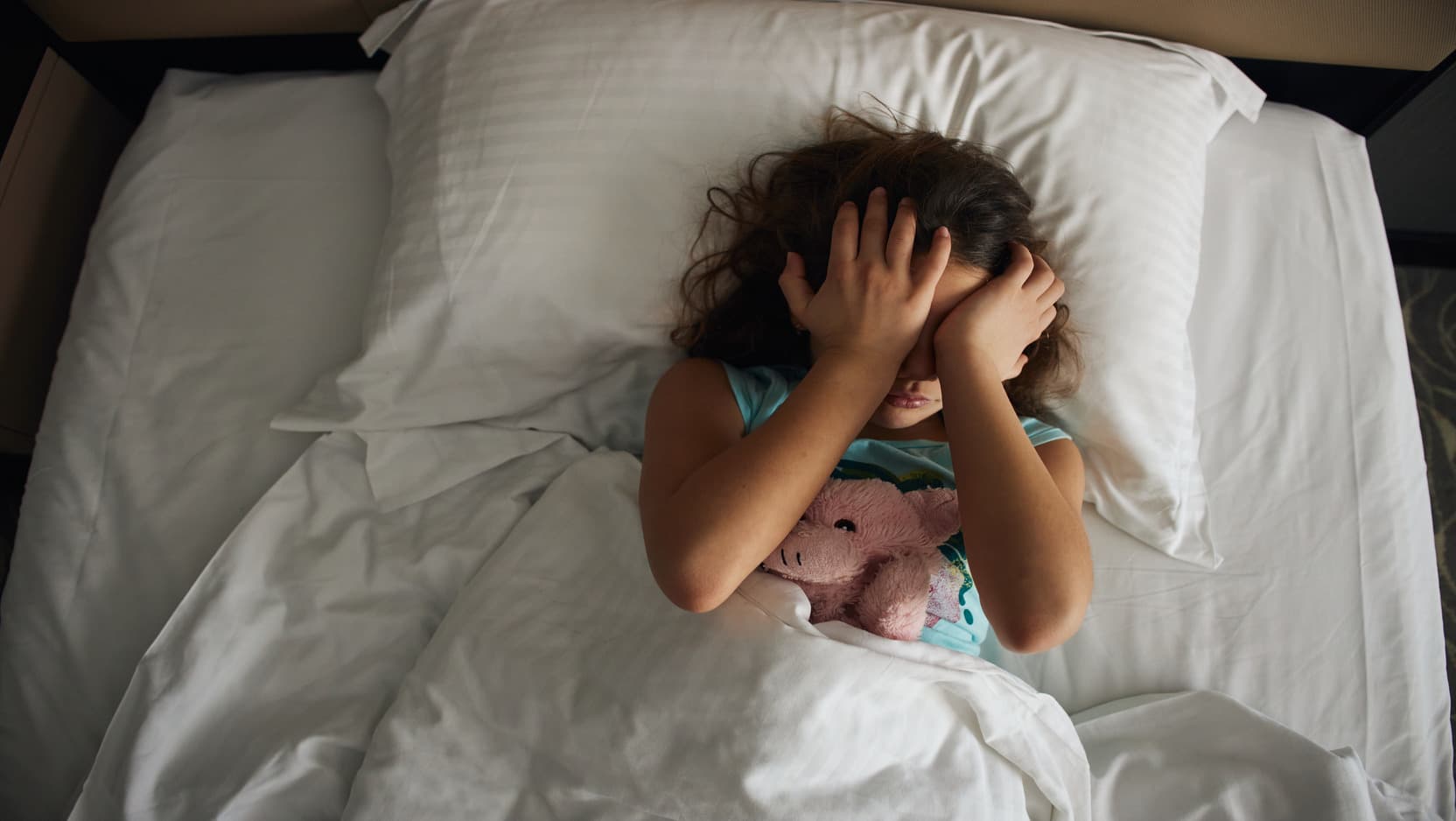
As a pediatric urologist, I frequently tell parents that bedwetting is a normal part of childhood.
The condition affects about 20% of 5-year-olds and 10% of 7-year-olds, according to the American Academy of Child and Adolescent Psychiatry. It occurs more often in boys.
Most children outgrow bedwetting with time and a few simple lifestyle changes. But for some, it can be the sign of something more serious.
There are many reasons bedwetting occurs, and it’s important to remember that no one is to blame.
Here's what parents should know about why bedwetting occurs, steps they can take at home and when to call a doctor:
What causes bedwetting?
Bedwetting is typically caused by one of three common problems:
- Family history: Children with siblings who wet the bed or whose parents struggled with bedwetting are more likely to experience it.
- Sleep patterns: Children can fall into such a deep sleep that they don't wake up when they need to go to the bathroom.
- Tonsil and adenoid issues: Tonsillitis combined with adenoid issues can cause breathing difficulties and sleep apnea, leading to sleep disruptions and bedwetting.
What lifestyle changes can help treat bedwetting issues?
If a child's bedwetting is caused by these common causes, lifestyle changes may help:
- Limit fluids before bed.
- Make sure your child empties their bladder before bedtime.
- Encourage regular bowel movements to reduce pressure on the bladder.
- Eliminate caffeinated beverages, which may contribute to bedwetting.
- Treat sleep apnea, if applicable. This may involve surgical removal of tonsils.
When might bedwetting be a sign of a more serious problem?
In some cases, bedwetting may signal a more concerning issue, such as:
- If a child is 5 or older
- If a child has daytime accidents
- If a previously toilet-trained child regresses, either at night or during the day
What more serious problems may cause bedwetting?
Beyond the common causes, several other factors may be involved:
- Stress, trauma or abuse: A child might regress with potty training when facing a major stressor. They might be afraid to fall asleep, have nightmares or be out of their routine, especially from big external changes, such as a death in the family, divorce or a move.
- Problems with bladder nerve signals (neurogenic bladder): In some children, nerve issues from conditions like spina bifida or spinal injuries affect how the bladder works. This can cause trouble knowing when the bladder is full or problems emptying it. Treatment can include medications, physical therapy or sometimes surgery.
- Urological anomalies: These include issues with the kidneys or the urethra. A child could have vesicoureteral reflux (VUR), where urine travels backward from the bladder into the kidneys. Many kids will outgrow VUR, but some may require surgery to get urine to flow only in one direction.
At the University of Chicago Medicine Comer Children's Hospital, our multidisciplinary team offers expert care and the latest treatments for childhood urology issues.
When to contact a child's doctor about bedwetting
If the strategies above are not successful, talk with your child's pediatrician. They can help determine the cause and refer you to a specialist, if needed.
One thing I always emphasize: Never shame your child for wetting the bed. Blaming or scolding doesn't help and can harm their physical and mental health.
Keep the conversation positive. Remind your child that bedwetting is common, that it's OK to talk about it, and that you'll work together toward a solution.

Mohan S. Gundeti, MD
Mohan S. Gundeti, MD, is an internationally recognized leader in the field of pediatric robotic and laparoscopic surgery for treatment of congenital urological anomalies.
Learn more about Dr. Gundeti
Pediatric Urology
Our pediatric urology team provides compassionate care to children with conditions affecting the kidneys, ureter, bladder, urethra, penis and testicles.
Learn more