
Life after childhood cancer: UChicago Medicine center offers care into adulthood
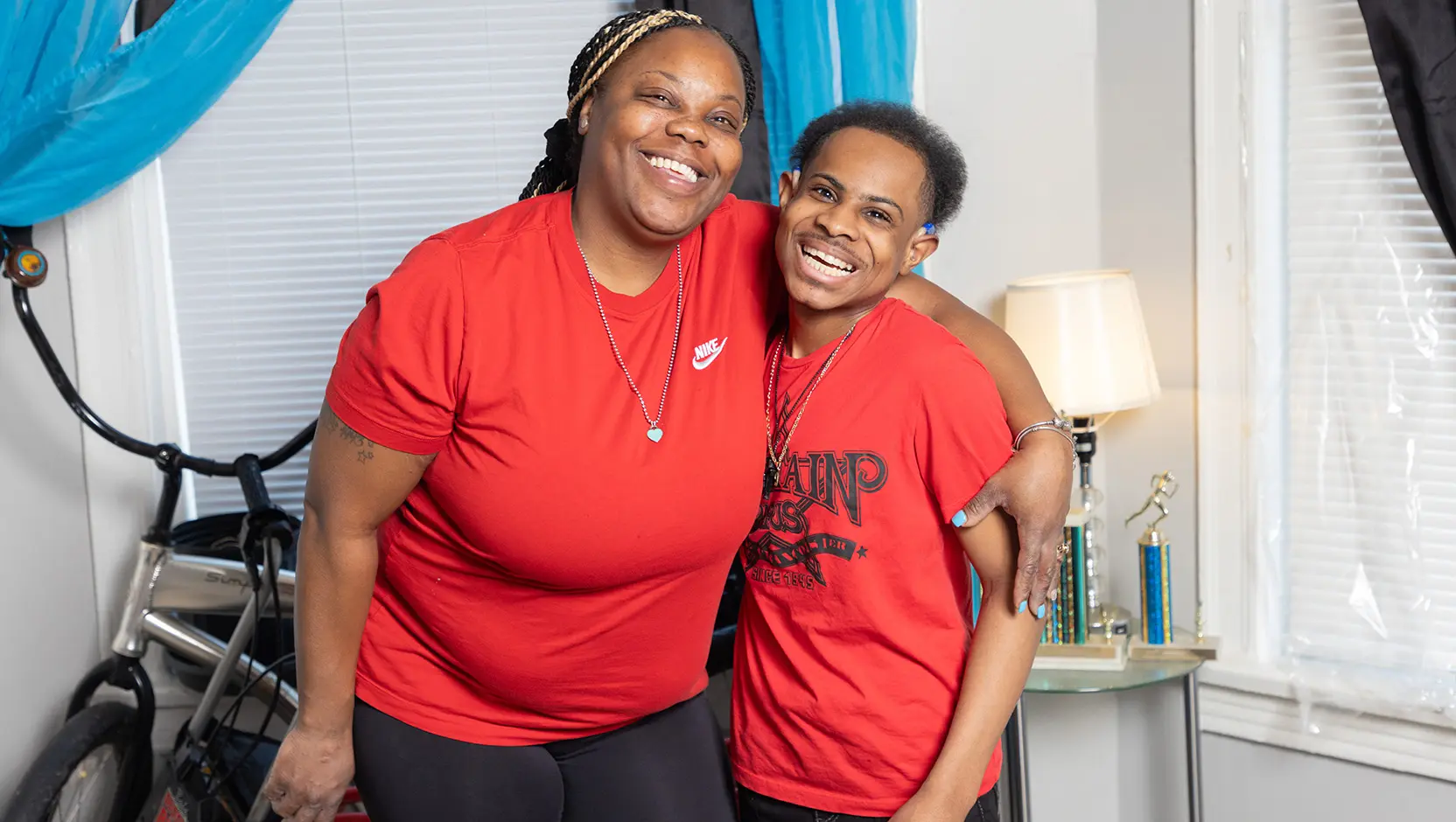
At age 3, Jatorie Finley-Powers was diagnosed with neuroblastoma, a pediatric cancer that develops in nerve tissue. He spent much of his early childhood receiving care at the University of Chicago Medicine.
“Now, he’s doing great,” his mother, Contoria, said. “UChicago Medicine saved his life.”
Still, chemotherapy caused Jatorie to lose his hearing. The 18-year-old now wears cochlear implants.
For many young people, therapies and medications can help their cancers go into complete remission. But they may also cause health problems later in life — including secondary cancers, as well as cardiovascular, endocrine, gastrointestinal, neurological and other issues.
The UChicago Medicine Childhood Cancer Survivors Center helps patients like Jatorie plan for the future. Launched in 2010, it offers an integrated program to help prevent and treat long-term issues associated with cancer therapy.
Cancer survivorship care after age 18
Unlike some other programs that wind down pediatric survivorship services once a patient turns 18, UChicago Medicine helps young people well into their adult years.
“Our center works closely with multidisciplinary specialists who focus on the physical, reproductive, neuropsychological and mental health challenges of survivors,” said Kelly Kramer, APRN, MSN, CPNP-PC, CPON, a pediatric nurse practitioner at UChicago Medicine Comer Children’s Hospital, where the center is based.
“Our survivors are our future, and we want to walk this path with them.”
That approach has helped patients like Sydney Brodsky.
Now 25 years old, Sydney was diagnosed with non-Hodgkin lymphoma at age 15. Following several months of chemotherapy at UChicago Medicine, Sydney has been in remission since August 2016.
Sydney, a native of Chicago’s northern suburbs, continues to receive care at the center.
“They’ve been there long after my cancer treatment ended, helping me navigate the long-term effects while always making me feel cared for and remembered,” she said. “Their kindness, support and dedication have meant more to me than I can put into words.”
Sydney has also faced stomach and autoimmune issues, and the center connected her with UChicago Medicine specialists to help. She now travels from her new home in Philadelphia for annual checkups.
“Every time I come back, the nurses and staff ask how I’m doing,” she said. “It’s so nice that, even after so much time, they all remember me. They want me to be in good health and make sure I’m doing well.”
Health maintenance and disease prevention after cancer
After young patients finish treatment for cancer, they may receive support at the center, which also offers services at UChicago Medicine’s Tinley Park location and at Comer Children’s at Edward Hospital in Naperville.
The team offers personal attention and uses age-appropriate language. These and other strategies help patients “continue on their life journey with detailed recommendations for screening and ongoing monitoring for late effects based on their treatment,” Kramer said.
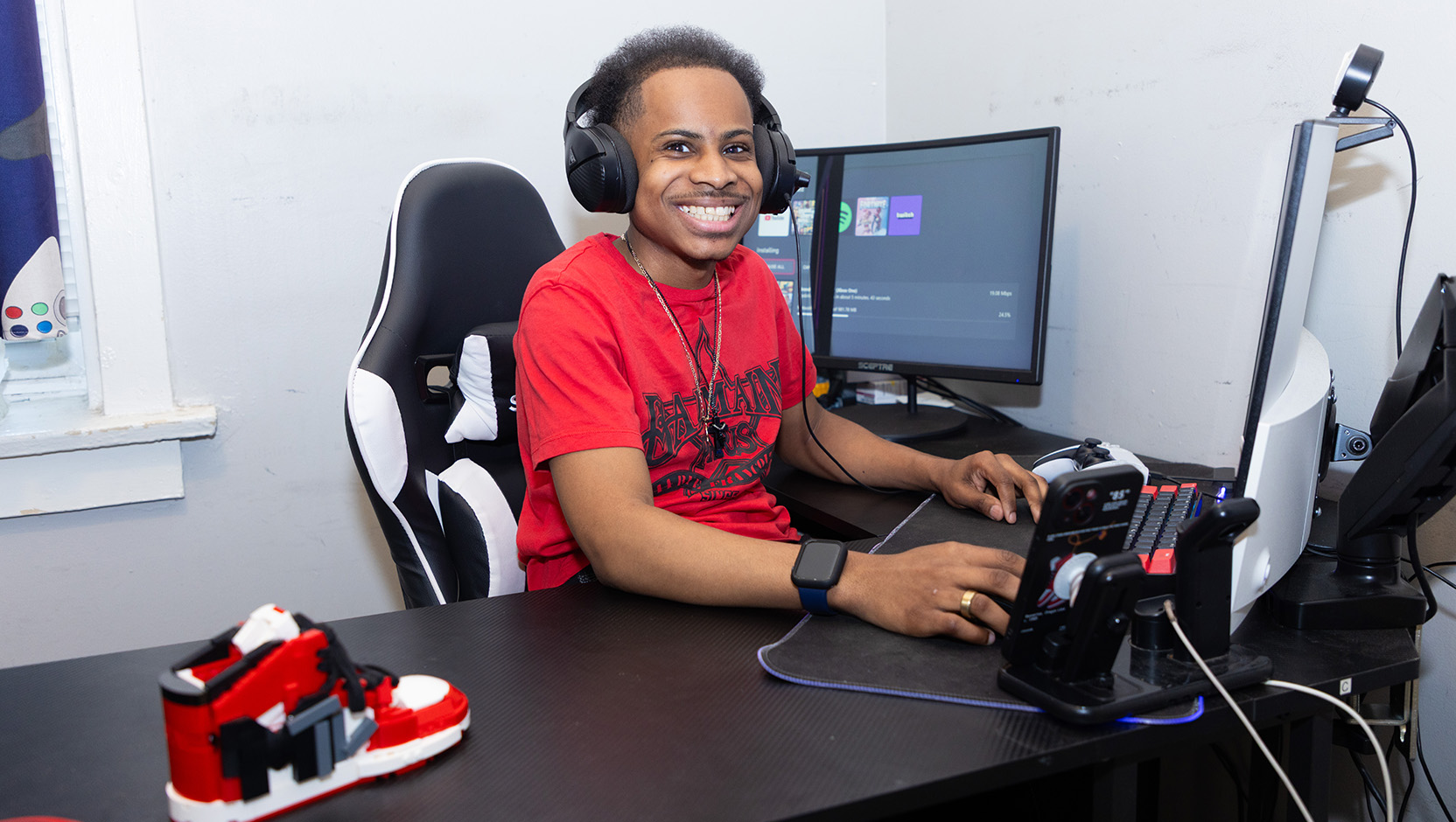
Jatorie Finley-Powers is "very grateful" for the teams supporting his health journey to adulthood. (Jordan Porter-Woodruff)
As they transition back into typical daily life, patients receive a tailored care plan, developed in collaboration with an oncology team and medical subspecialties — plus experts in physical therapy and psychology.
Annual checkups include screenings for cancer therapies’ potential late effects, such as secondary malignancies. Care plans typically cover basic health measures and maintenance, including dental checkups and eye exams, plus cardiac screenings, colonoscopies and mammograms.
The screenings also focus on mental health, neurocognitive function, fertility concerns and general quality of life. A psychology team is available to all patients.
‘I had a great support system’
Jatorie, of Chicago’s South Side, now comes to the center annually for a visit. The extensive support over the years also benefits patients’ families, his mother noted.
“It was really hard for me, as a single mom, trying to take care of another young child at home while this child is fighting for his life, so I appreciated everything the center did,” Contoria said. “Going through that with your child is very traumatizing, but I had a great support system with the center.”
Added Jatorie: “I’m very grateful for the people that helped me be where I am today.”

UChicago Medicine Comprehensive Cancer Center
UChicago Medicine is designated as a Comprehensive Cancer Center by the National Cancer Institute, the most prestigious recognition possible for a cancer institution. We have more than 200 physicians and scientists dedicated to defeating cancer.
Learn More About the Comprehensive Cancer Center