
After GLP-1 plateau, Chicago mom achieves lasting weight loss with gastric sleeve surgery

The mother of two tried support groups, weight-loss apps and appetite suppressant medication. She also exercised four times a week and avoided fatty foods, but still couldn’t achieve the results she wanted.
During those years, Guisinger’s weight fluctuated between 180 and 240 pounds. She struggled with high blood pressure and related headaches, plus pain in her knees and back. At 5 feet tall, she didn’t have enough energy to throw a ball with her kids.
“I was very limited in my mobility,” said Guisinger, an assistant principal living in Chicago’s south suburbs.
In 2022, her doctor prescribed a GLP-1 medication, which helped her lose 30 pounds. But her insurance stopped covering the drug after two years, and she couldn’t afford to pay out-of-pocket. After one month, she regained 15 pounds.
“For the weight to appear overnight was just emotionally a rollercoaster,” Guisinger said. She was later able to get back on a GLP-1, but this time, she lost no weight.
When weight loss medication isn’t enough
Most people on GLP-1s experience a weight-loss plateau at some point, said Vanessa Buie, MD, MBA, a bariatric surgeon at University of Chicago Medicine.
One reason is that weight loss slows metabolism. The medication’s appetite-suppressing effect also diminishes over time.
“When it comes to medications, we typically see patients lose 15 to 20 percent of their total body weight, and then people stall,” Buie said.
Searching for an effective solution close to home, Guisinger read an interview with Buie about weight-loss surgery at UChicago Medicine Ingalls Memorial. Buie, who also works at UChicago Medicine’s Hyde Park campus, is developing a community-based center of excellence for bariatric surgery at Ingalls.
“What spoke to me in this article was she mentioned how food is an addiction,” Guisinger said.
She decided it was time to see Buie.
Different types of weight loss surgery
Ingalls Memorial offers a full spectrum of weight-loss services, including medications, minimally invasive surgery and counseling in nutrition, physical activity and mental health.
“There’s no one magic thing when it comes to weight loss, and often we need to use all of the tools in our kit, which are medication, lifestyle, diet and surgery,” Buie said.
Surgical options at Ingalls Memorial include:
- Gastric sleeve: Permanently reduces stomach to 20 percent of its original size
- Gastric bypass: Creates a tiny stomach pouch and reroutes intestines to limit food intake and absorption
- Duodenal switch: Combines gastric sleeve and bypass
Buie recommended gastric sleeve surgery for Guisinger, which involves creating a smaller, banana-shaped sleeve that holds less food and resists stretching.
Before surgery, Guisinger met with a dietitian and psychologist to ensure she was emotionally and mentally prepared.
“I had a support system, not just with my family, but with my health team, and that makes such a difference,” Guisinger said.
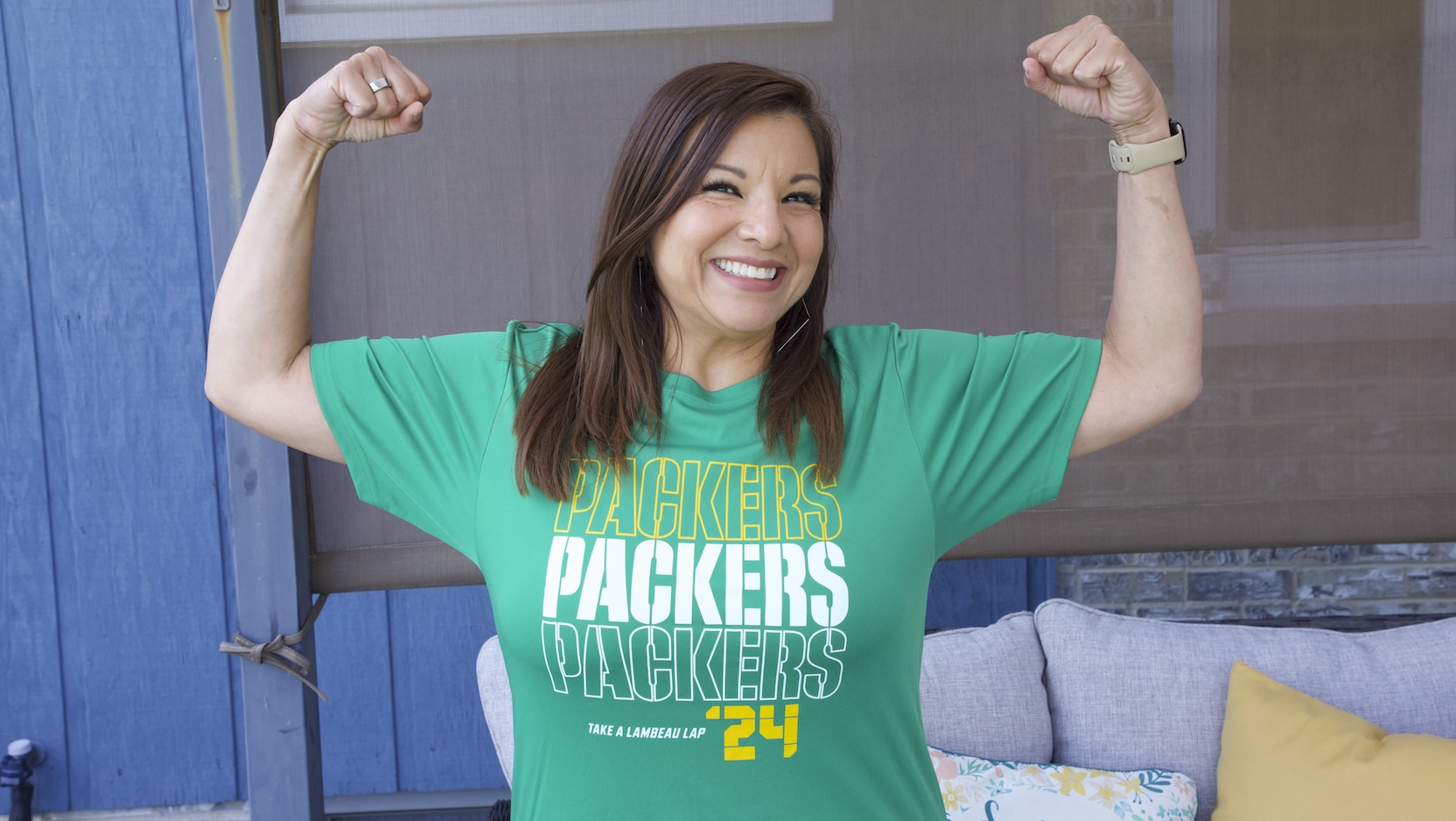
‘I am going to succeed’
The one-hour procedure was performed in November, and Guisinger spent one night in the hospital. She followed a liquid diet for one week and ate only soft foods for two weeks before returning to solid food.
Since the operation, she has lost 30 pounds.
“My first milestone is I’m no longer on any form of medication,” Guisinger said. “My second milestone is I can cross my legs.”
Now at 155 pounds, she sleeps better and has more energy, helping her adapt to a new lifestyle. She avoids fried and sugary foods because her smaller stomach can’t handle them. Instead of meeting friends at restaurants, she suggests going for a walk or coffee.
Bariatric surgery remains the most durable treatment for obesity, with patients maintaining weight loss 10 to 20 years after surgery.
Monthly virtual visits with Ingalls Memorial support groups have encouraged her during the transition.
“What really helps is making sure you surround yourself with a community of people who have gone through it,” Guisinger said. “It makes such a huge difference having that support system.”
With warmer days ahead, the 50-year-old has big plans: running her first 10K race and visiting Fiji in July. She’s excited to feel confident in a bathing suit.
“Knowing that I have all these resources in place and that I've succeeded this far — it just gives me hope to know that I am going to succeed,” Guisinger said.

Vanessa Buie, MD, MBA
Vanessa Buie, MD, MBA, is an expert minimally invasive gastrointestinal and bariatric surgeon who specializes in primary and revisional weight loss surgery, and is highly skilled in all surgical techniques for hernia repair.
See Dr. Buie's bioBariatric Surgery Information Sessions
Attend an information session to learn more about our surgical weight loss program. We offer both online webinars and in-person information sessions.
To register for either in-person session or for the online webinar, please call 773-702-1618.