
8 ways to prevent falls at home: Safety tips every senior should know
Falling is a big problem for older adults.
Falls are the leading cause of injury for people ages 65 and older, according to the Centers for Disease Control and Prevention, which reports that 1 in 4 older adults fall every year.
Falls can lead to fractures and are associated with decreased quality of life. They also may create a fear of falling again, prompting you to move less often. This results in weaker muscles and a higher likelihood of more falls.
Keeping up with your health is a good way to reduce your risk.
Talk to your doctor about your fall risk from prescribed medications and health conditions, such as hypertension or diabetes. Monitor your blood pressure and have your hearing and vision checked regularly. Contact your doctor if you feel off balance or dizzy.
At the UChicago Medicine South Shore Senior Center, a multidisciplinary team of nurses, social workers, doctors, pharmacists, specialists and therapists focus exclusively on the healthcare needs of aging adults. Our team thoroughly screens each patient to help them take every possible step to prevent falls at home.
Here are some of the top things I recommend:
Fall prevention tips for seniors
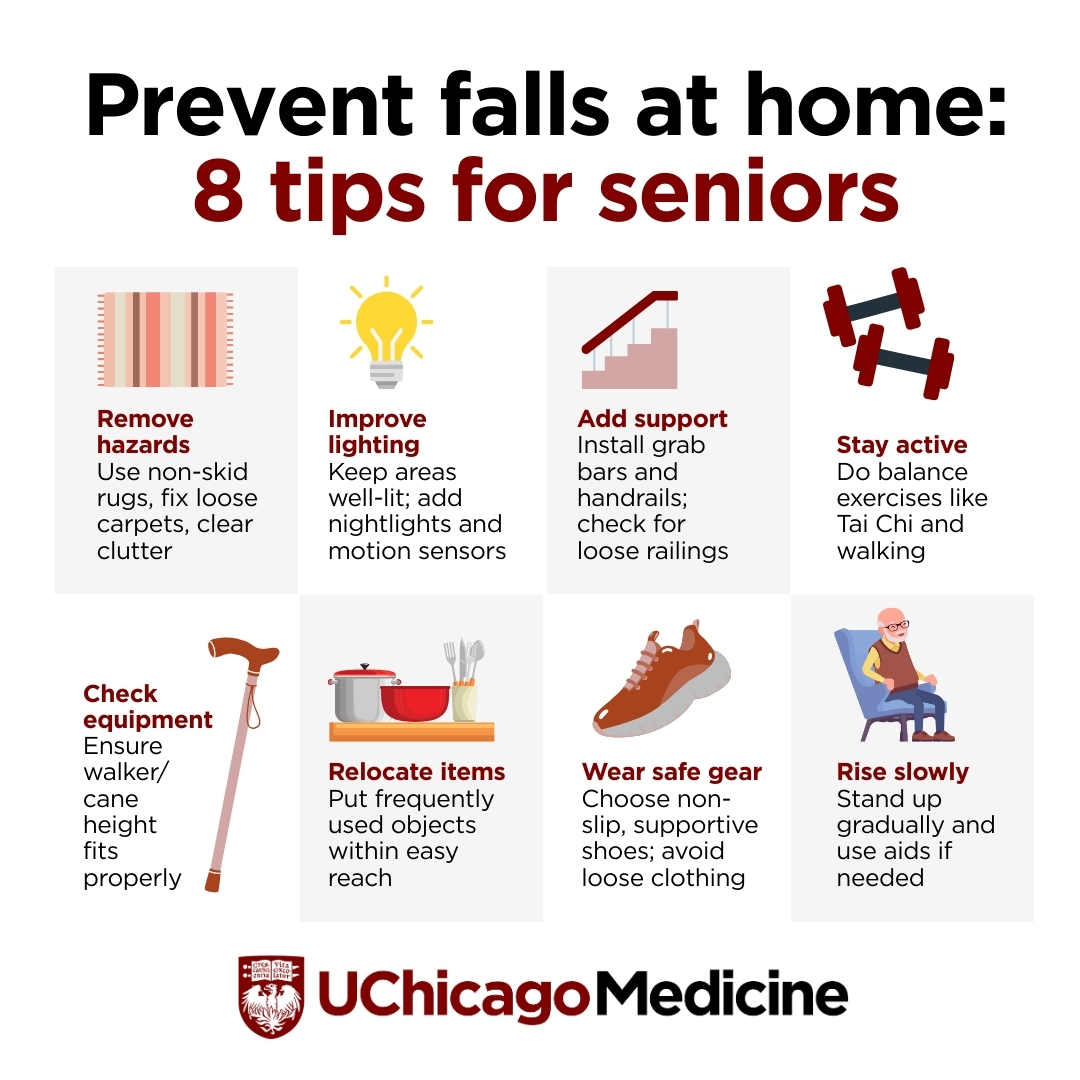
- Remove tripping hazards. Use non-skid rugs on floors, especially in the bathroom. Don’t put rugs on top of rugs. Repair loose or damaged carpeting. Eliminate clutter and cords where you walk to provide a clear path.
- Light up your spaces. During the day and night, make sure you can see the floor and stairs clearly. Replace burned-out light bulbs. Install nightlights and motion-sensor lighting in dark spaces.
- Install supportive equipment. Have grab bars installed in the bathroom by the toilet and/or shower to help you balance. Add handrails in hallways and on staircases. Fix any existing railings that are loose.
- Stay active. Evidence shows that Tai Chi is the top exercise to help with balance. Other exercises, such as consistent and heel-to-toe walking, single-leg stands and resistance training will also strengthen your muscles and help with balance.
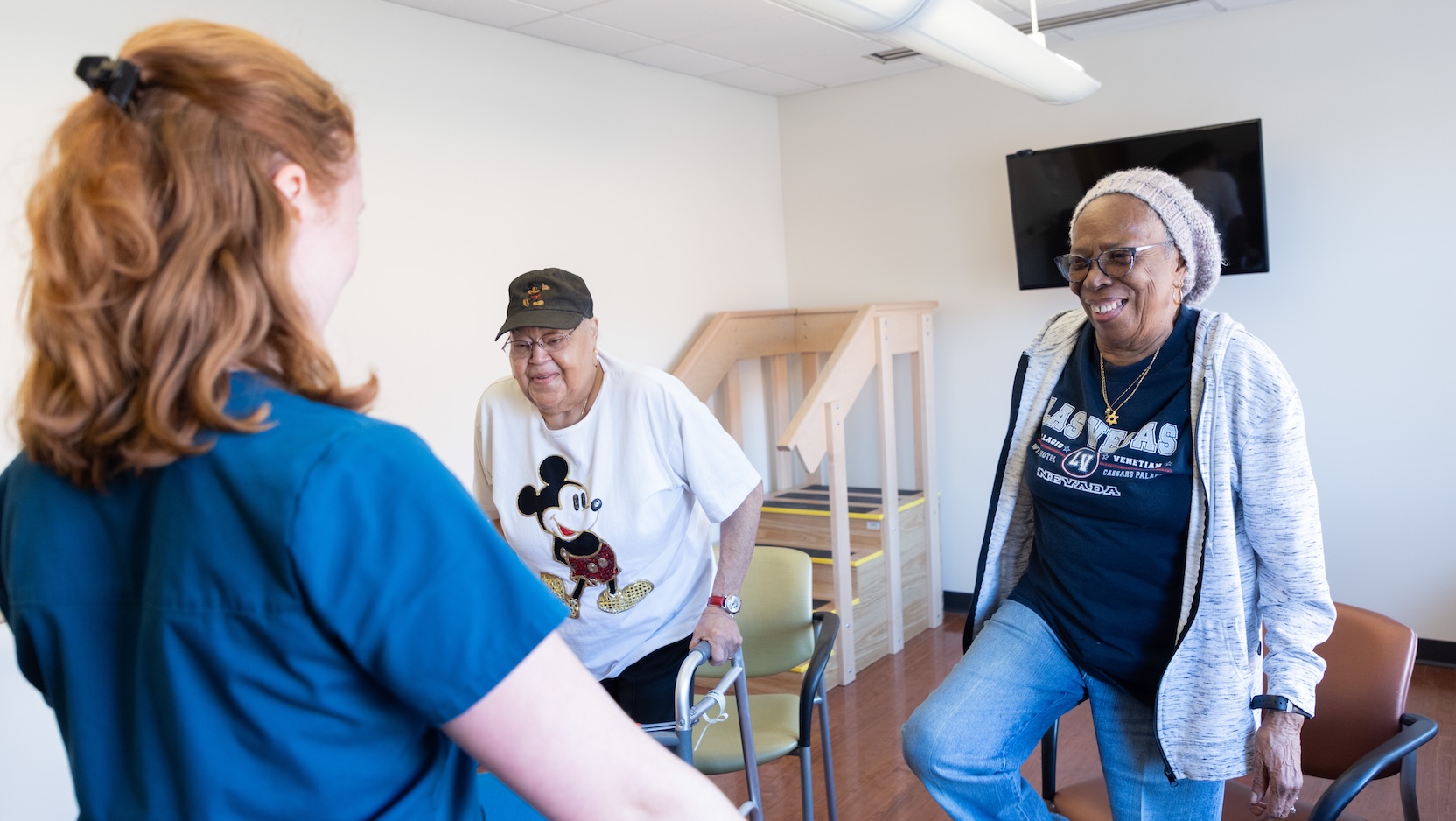
- Check that your walker or cane is the right height. A walker or cane that’s too high can cause tension or pain in the shoulders, leading to imbalance. A walker that’s too low can lead you to bend over and accidentally fall forward.
- Relocate hard-to-reach items. Never climb on chairs to obtain anything from high shelves. Ask a friend or family member to move items to waist level, or to lower cabinets or shelves. If you must use a step stool, use one with a bar you can hold.
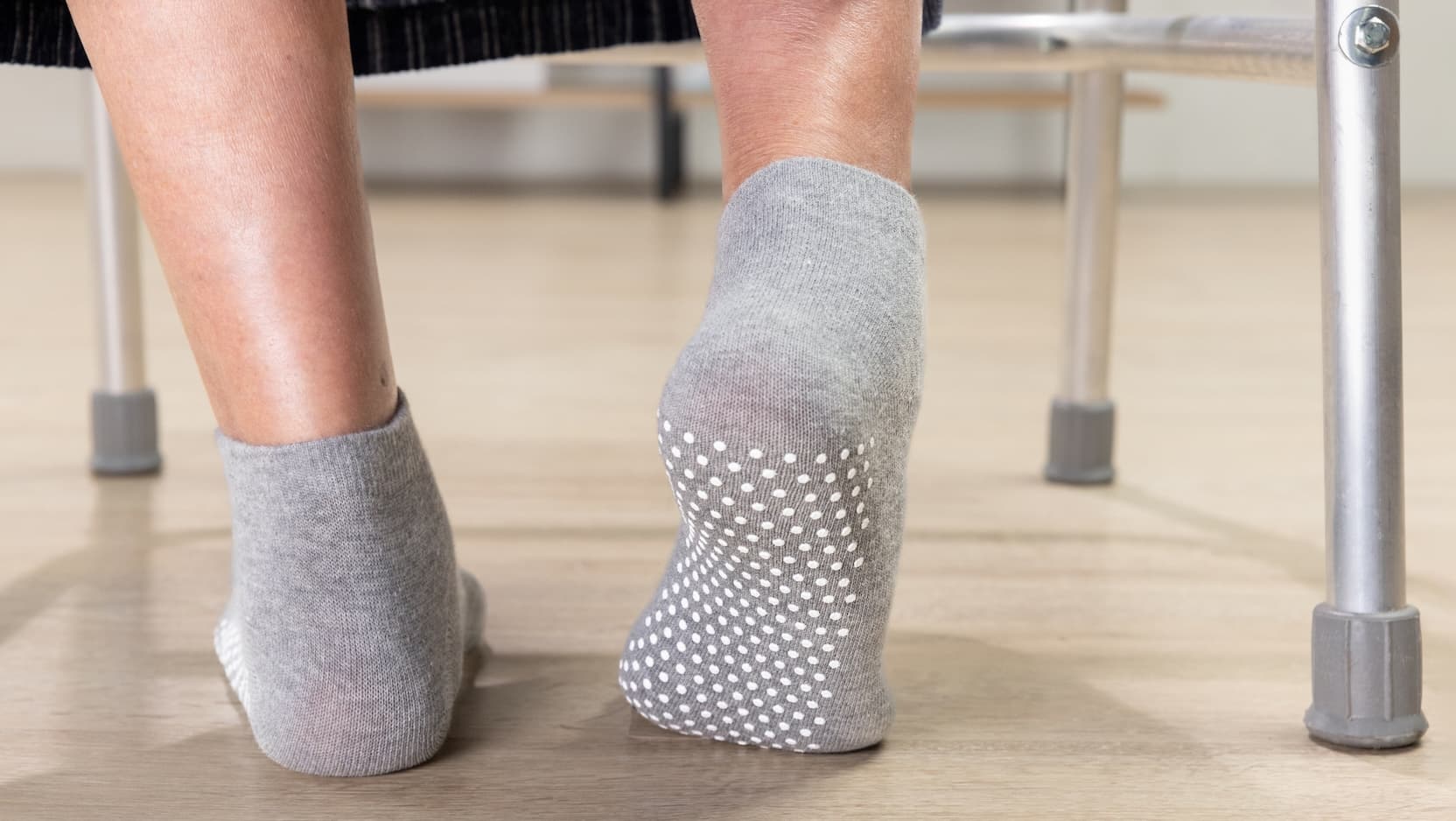
- Wear proper shoes and clothing. Supportive, non-slip and closed-toe shoes are the best choice. Avoid long robes, baggy pants and any items with long threads or dangling cords that could catch on something and cause a fall.
- Get up slowly. When you’ve been sitting for a while, get up slowly and pause before walking, to let your blood pressure adjust so you don’t get dizzy. If needed, use assistive devices to steady yourself.
You can find more helpful tips in the Home Fall Prevention Checklist for Older Adults, a step-by-step list published by STEADI (Stopping Elderly Accidents, Death & Injuries), which is part of the U.S. Centers for Disease Control and Prevention.
What to do if you fall at home
Although prevention is important, falls can still occur. Many falls do not cause injuries and there are things you can do to help improve outcomes if one occurs.
If you’re going to fall, fall backward — not onto your hands. Your hands can’t support you as well and you’re more likely to injure your arm, wrist or head.
It’s also a good idea to carry a phone or emergency device. If you keep your phone with you, you can call for help if you fall. Seniors who live alone should consider wearing a fall button. That way, you can push the button and call paramedics if needed.

Samantha Ing, MD
Samantha Ing, MD, specializes in internal medicine and provides complete primary care to adults.
Learn more about Dr. Ing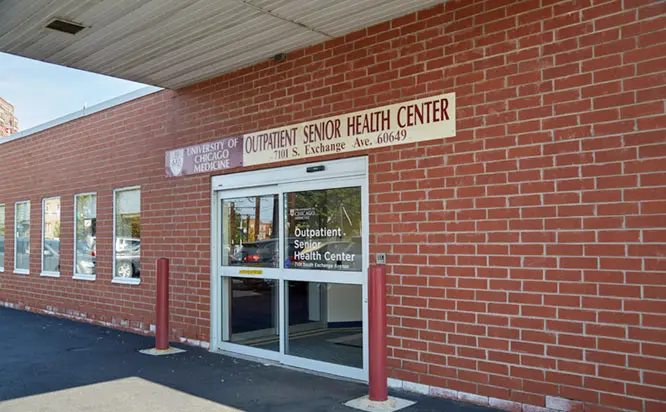
South Shore Senior Center
UChicago Medicine’s South Shore Senior Center offers comprehensive primary and specialty care for adults age 65 and older. We are the only medical center on Chicago’s South Side focused exclusively on the health care needs of aging adults.
Learn more