
With medication monitoring, MS patient gives birth to a healthy baby

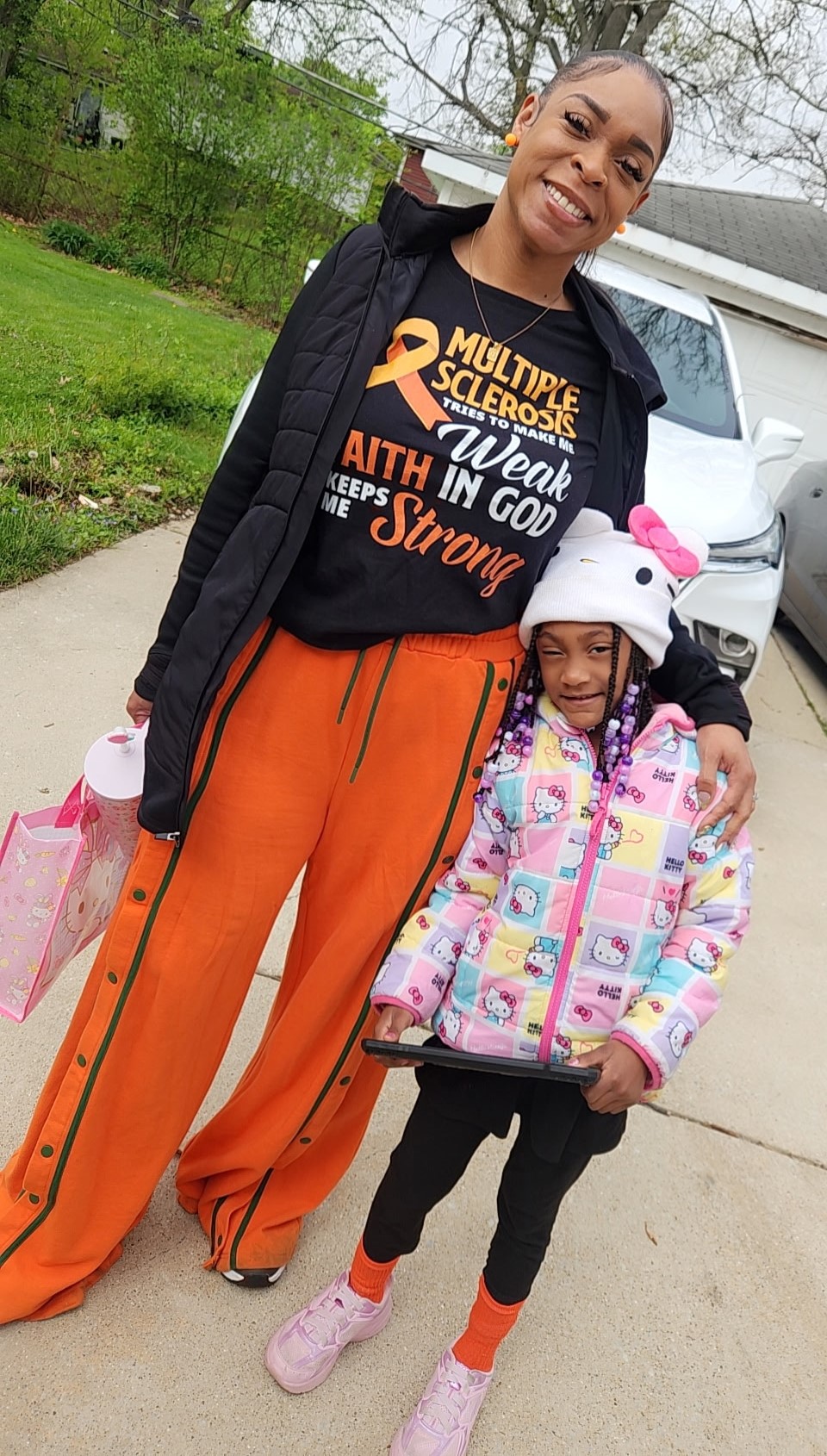
Porscha Lacey-Johnson longed to have a second child, but she thought it would be impossible because she has multiple sclerosis (MS).
The chronic, autoimmune disease of the brain and spinal cord often causes unpredictable balance and coordination issues, as well as symptoms like numbness, vision problems and severe fatigue.
Lacey-Johnson was diagnosed with MS in 2019, four years after her first child was born, and the effects were noticeable. She would sometimes fall down suddenly. She was afraid to drive or walk alone. Sometimes, her brain would tingle, and she’d lose control over her left arm or leg.
There is currently no cure for MS. Flare-ups and symptoms may be managed with medications, therapies and lifestyle modifications.
Frustrated with her care at a different health system, Lacey-Johnson researched MS experts in Chicago and found Veronica Cipriani, MD, MS, a UChicago Medicine neurologist specializing in MS.
‘You will be fine, and so will your baby’
At Lacey-Johnson’s first appointment in 2020, Cipriani prescribed an MS medication that helped her mobility, and she returned to work as a special education teacher on Chicago’s West Side.
Months later, Cipriani announced she’d be going on maternity leave. The news prompted Lacey-Johnson to share her sadness over not being able to have another child out of fear her MS medication would injure the fetus.
Cipriani’s response surprised her: She could have another baby, if her medications were closely monitored. They started to discuss pre- and post-pregnancy care plans.
“I was scared, but she said, ‘You will be fine, and so will your baby,’” Lacey-Johnson said. “I trusted her, her energy about it, and all of the information she gave me.”
Is it safe to have a baby when you have MS?
Three times as many women have MS compared to men, and most are diagnosed during their childbearing years, according to the National Multiple Sclerosis Society.
It’s a common misconception that women with MS cannot safely have children, and it is possible to have a healthy pregnancy and safely breastfeed without relapsing, Cipriani said.
She recommends MS patients do three things before trying to conceive a child:
- Start seeing a neurologist who specializes in MS, is knowledgeable about the latest research, and will monitor medications before, during and after pregnancy.
- Start a relationship with an OB-GYN, ideally from the same health system so the two doctors can easily communicate.
- Start taking prenatal vitamins to build up the body’s nutrient levels, especially folic acid.
Cipriani told Lacey-Johnson about the landmark PRIMS (Pregnancy in Multiple Sclerosis) study, which showed pregnancy actually lowers the risk of MS relapse in the second and third trimesters.
There’s also promising data in current studies about the safety of certain therapies before or even during pregnancy, Cipriani said, plus research that shows abruptly stopping MS medication can pose a risk to the mother — underscoring the value of careful care.
“There’s just a lot of planning that goes into stabilizing someone before they get pregnant, managing their medications while they’re pregnant, and then restarting them on medications, after delivery,” she said.
Restarting MS treatments after pregnancy
Cipriani made sure Lacey-Johnson’s disease was stable before pausing her MS medication — which remains active in the body for up to six months. Lacey-Johnson became pregnant just a few weeks later.
Lacey-Johnson said she felt great during her pregnancy — no falls, fatigue or headaches — and she gave birth to a healthy baby girl in April 2021. She sent Cipriani a photo of her newborn, thanking her for helping her have this “miracle baby.”
A few weeks later, Cipriani started Lacey-Johnson back on her MS medication, administered twice yearly.
“Ever since then, I’ve felt amazing,” said Lacey-Johnson, now 41, of Park Forest, who still walks with a small limp but can dance and even walked the MS Walk 5K at Soldier Field in April 2025.
“I don’t have a cane. I don’t have a walker, and I have flare-ups only when it’s close to time for my injection.”
Lacey-Johnson now works to educate and advocate for MS patients. Her best advice for women is to find an MS doctor who is knowledgeable, attentive and offers options. Cipriani, she noted, would call or email every month, even after she’d just had a baby herself.
“I encourage any woman out there who is struggling with the decision of trying to conceive to do the research first, have a strong mind and don’t allow negative talk because you’ll stress yourself out,” she said. “Be strong, be patient and you can do it.”
New UChicago Medicine Neuro OB-GYN clinic on the horizon
More help for people living with MS is on the horizon. UChicago Medicine is in the early stages of creating a Neuro OB-GYN Clinic for people with neurological issues, including MS, headache and epilepsy. The clinic is being spearheaded by UChicago Medicine neurologist Eesha Singh, MD.
“The dream is to have both OB-GYN and neuro doctors there, so patients can see us both in one visit,” Cipriani said.
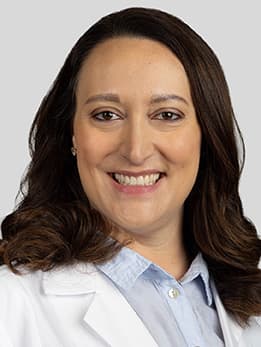
Veronica Cipriani, MD
Veronica Cipriani, MD, is a neuroimmunologist who specializes in the treatment of multiple sclerosis and other demyelinating neurologic diseases such as neuromyelitis optica and anti-MOG encephalomyelitis.
Learn more about Dr. Cipriani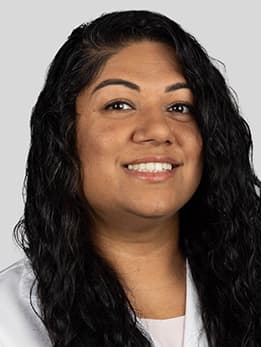
Eesha Singh, MD
Eesha Singh, MD, MS, is a neurologist with a particular focus on complex vascular neurological conditions, such as moyamoya vasculopathy, stroke in women and vasculitis.
Read more about Dr. Singh