
Clinical trials in the Southland: Ingalls Memorial patients can join UChicago Medicine efforts
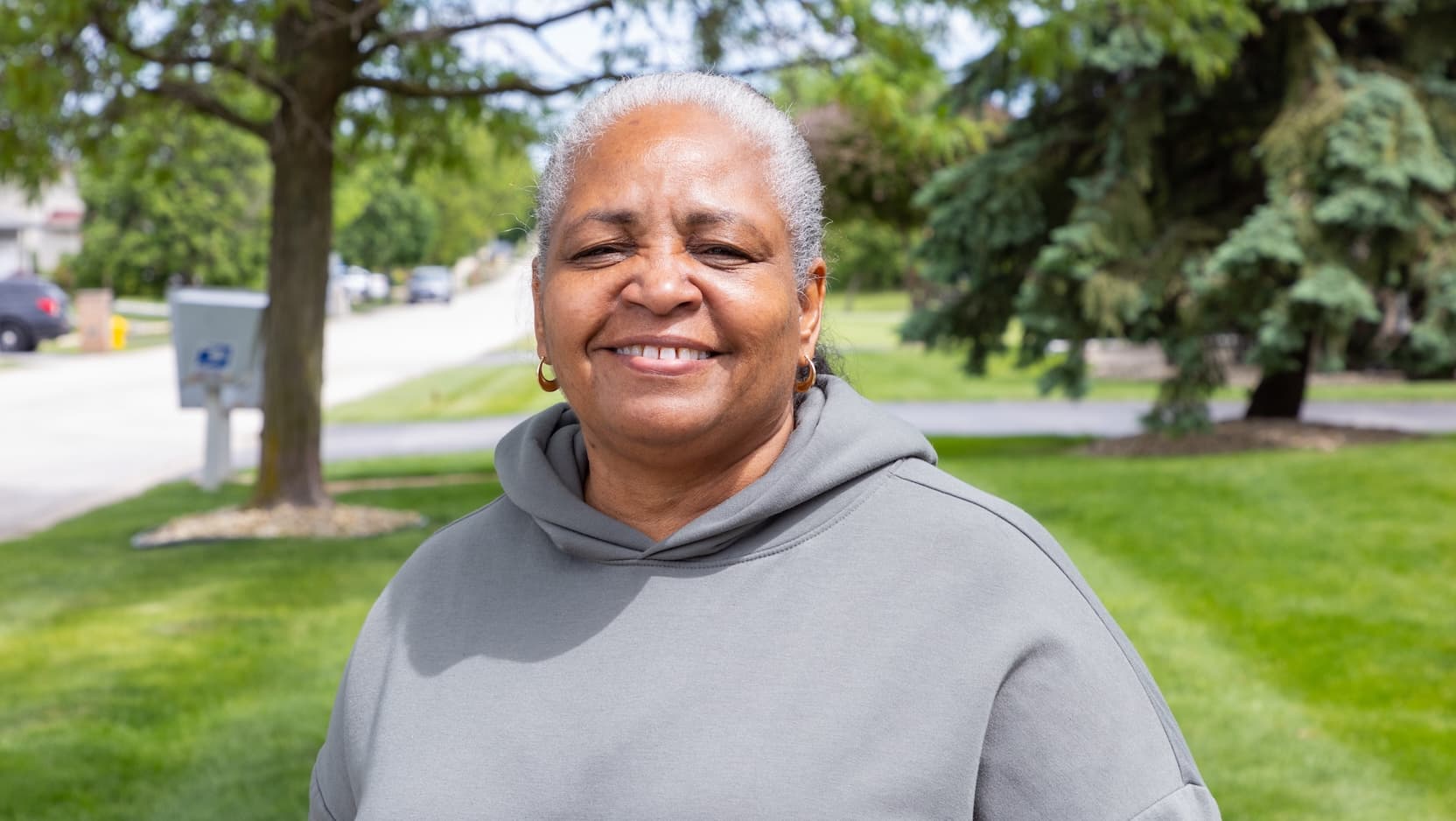
After successful treatment for breast cancer in 2020, Sonya Alexander was prescribed anastrozole, a medication to help prevent the disease from returning.
While taking the medication, there was no sign that her cancer had come back. But the side effects — joint pain and extreme fatigue — were so severe that Alexander, a retired mail carrier, couldn’t even walk down the street.
“I would cry myself to sleep,” she said. “I just endured through the pain.”
Alexander yearned for relief.
In 2024, she decided to participate in a clinical trial at UChicago Medicine Ingalls Memorial Hospital — the same place where she was diagnosed with Stage 2 estrogen receptor-positive breast cancer and received radiation after a lumpectomy on her left breast.
Clinical trials are structured research studies involving patients. They are designed to safely test new drugs, devices, vaccines or ways of using known treatments.
Southland residents like Alexander now have closer access to this important option. At Ingalls Memorial, eligible patients can register to join clinical trials at the University of Chicago Medicine Medical Center. In most cases, they don’t need to travel to Hyde Park to participate in a trial.
“Forty-five percent of our clinical trial enrollment is minority enrollment, compared to 4% nationally,” said James Wallace, MD*, a geriatric oncologist employed by UChicago Medicine Medical Group. “We take a lot of pride in bringing innovative care to men and women who may not have had access to it otherwise.”
What to know before joining a clinical trial
Alexander’s clinical trial was focused on her problem.
The trial, part of an international study, targeted patients with early-stage breast cancer surgery who took hormone therapies like anastrozole. Patients are switched to a different medication, camizestrant, to see if it is better at preventing the cancer from returning.
Alexander knew times had changed since she'd grown up hearing about the Tuskegee Syphilis Study, a U.S. government experiment in which Black men with syphilis were deliberately left untreated without their knowledge. Still, she had some concerns about the clinical trial.
Together with his nurse, Wallace listened and answered Alexander’s questions.
“Before we are scientists, we are neighbors and caregivers who believe in innovation and smarter ways to fight against cancer,” Wallace said.
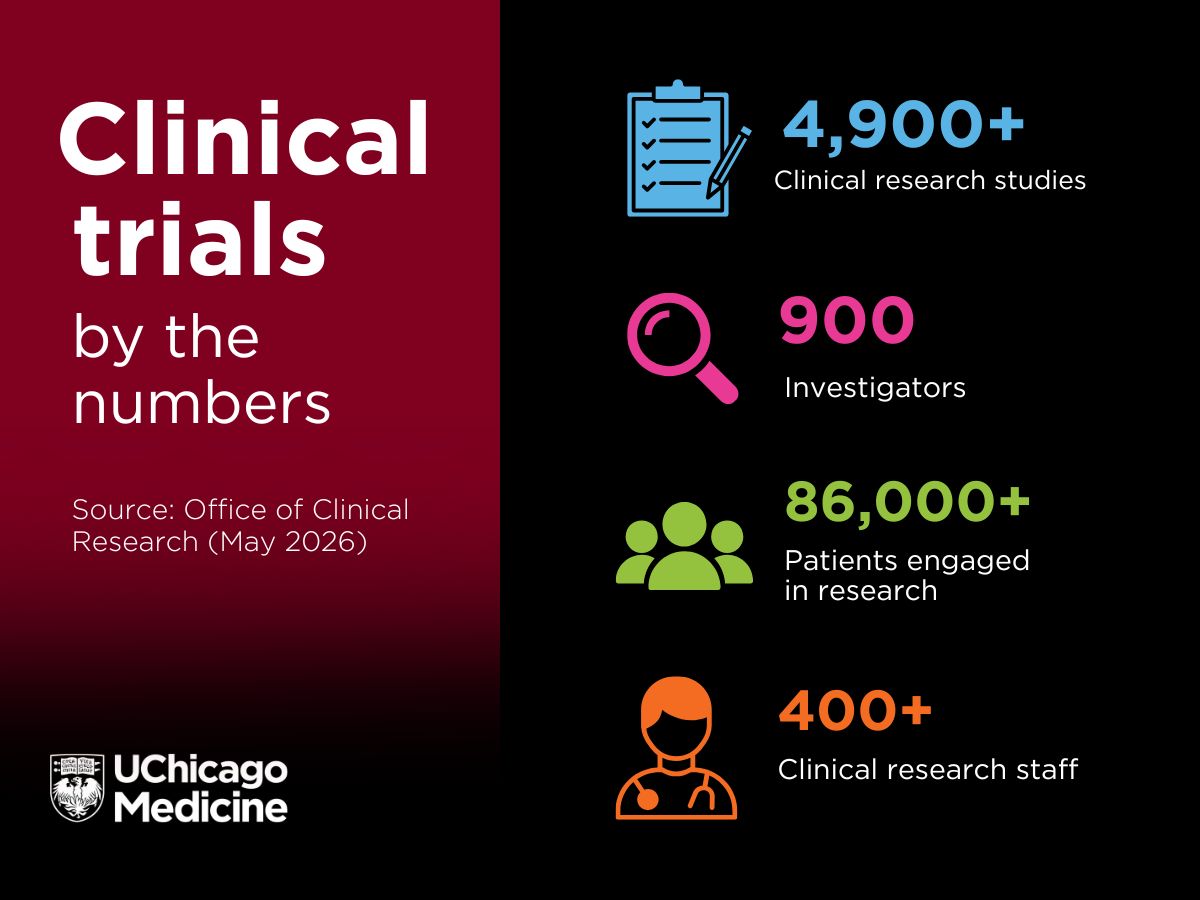
The University of Chicago Medicine Medical Center conducts more than 1,000 clinical trials every year — with the goal of helping patients live longer, feel better and experience fewer side effects than current care allows.
“There are so many levels of safety that go into a clinical trial,” Wallace said. “I don’t present anything to a patient that I wouldn’t allow a capable family member or loved one to enroll in.”
Most clinical trials for cancer compare a new treatment against the current and best standard. If placebos are used, patients will be informed about the possibility they may receive one.
Furthermore, trials are rigorously structured to protect patients and feature independent ethics committee reviews, phased testing, ongoing monitoring and federal regulatory oversight.
‘I got my life back’
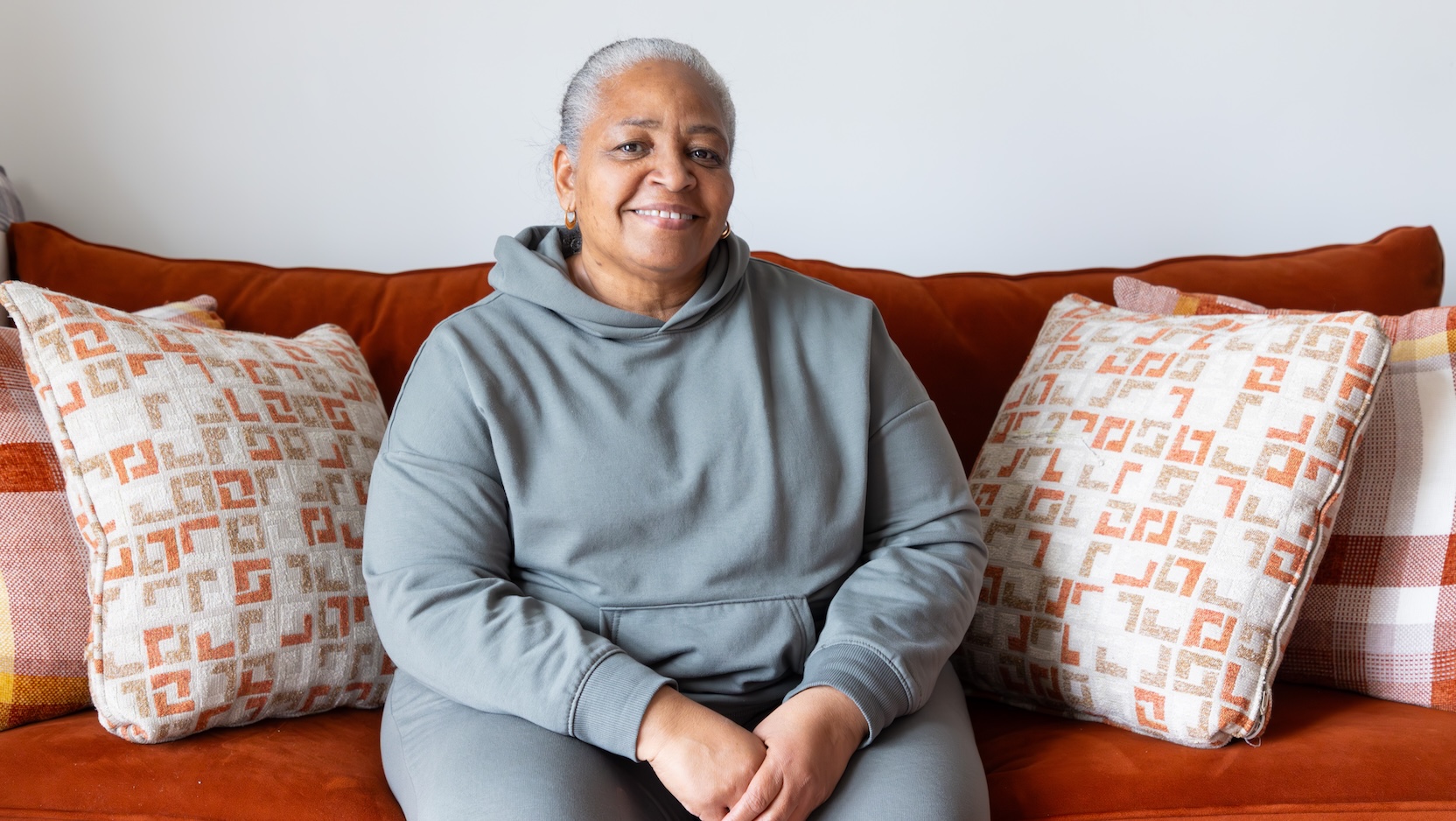
Alexander saw highly positive results from choosing to participate in a clinical trial. On her trial medication, she no longer has intense joint pain, and continued monitoring shows no evidence of cancer.
“I got my life back,” she said. “I can now do simple things like clean up and cook for myself.”
Patients must be informed about any potential side effects in a clinical trial. Since she started taking camizestrant, Alexander has not experienced any of the medication’s side effects, including potentially seeing flashes of light or experiencing a slowed heart rate.
She advises patients to consider clinical trials when given the opportunity.
“Ask questions and get medical advice,” Alexander said. “Don’t just get advice from family members. Weigh your options.”
Now retired, the 62-year-old has some arthritic pain linked to her years working as a mail carrier. Still, she’s back to working out at the gym with friends.
Best of all, she is ready to travel this summer to her union’s postal convention in Los Angeles — a trip that used to be physically difficult for her.
“If the museum is three miles away, we’ll walk three miles,” Alexander said. “I can do that this year.”
*Dr. Wallace is a UChicago Medicine Medical Group provider. UChicago Medicine Medical Group comprises UCM Medical Group, Inc., f/k/a UCM Care Network Medical Group, Inc., and UCM Medical Group Sub, LLC f/k/a Primary Healthcare Associates, S.C. UChicago Medicine Medical Group providers are not employees or agents of the University of Chicago Medical Center, the University of Chicago, or UChicago Medicine Ingalls Memorial
Clinical Trials
At the University of Chicago Medicine, we’re committed to advancing discoveries that transform our patients’ lives and expand our physicians’ knowledge. Explore our active clinical trials.
Find a Clinical Trial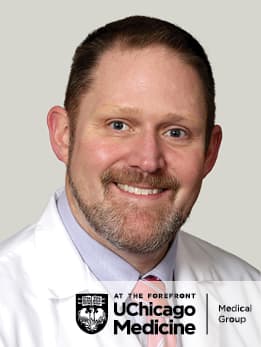
James Wallace, MD
James Wallace, MD, is a skilled oncologist with specialty training in geriatrics. He has particular expertise in the treatment of older cancer patients. Dr. Wallace specializes in the assessment of the "oldest old" (age 85 and up) and "frail older" patients (age 65 and up with other medical problems) who seek help in learning how to manage cancer.
Read Dr. Wallace's physician profile