After smoking for 54 years, Courage to Quit helps Chicago woman give up cigarettes for good
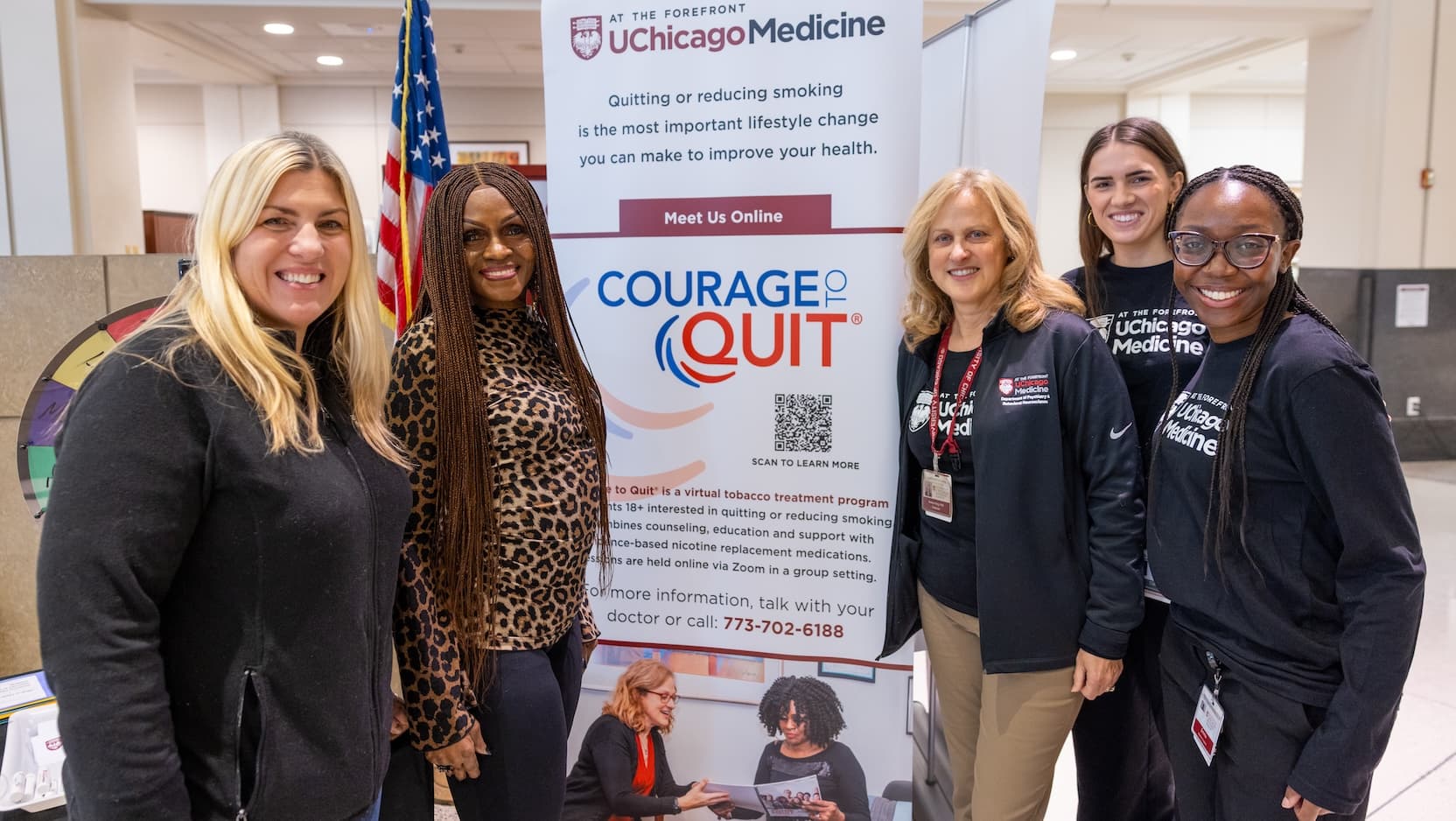
Lynn Andrews, who quit smoking after 54 years with help from UChicago Medicine’s Courage to Quit program, poses with the program’s leaders. Pictured from left to right are Anne Roupas, Lynn Andrews, Andrea King, Claire Wellendorf and Emma Nnodi.
Lynn Andrews had her first cigarette at age 13, a Kool menthol cigarette that gave her a buzz. She thought she looked cool and grown-up, exhaling smoke from her nose and mouth.
The next few weeks, she started begging people for quarters, which she spent on cigarettes. She continued to smoke every day for the next 54 years.
By the time she was in her 60s, the Englewood resident coughed frequently. She found it hard to breathe while climbing stairs. Her rheumatoid arthritis flared painfully in her legs.
Andrews knew her smoking habit aggravated her health problems, so she researched the addictive, often deadly chemicals in cigarettes.
“That’s when I realized, I’m killing myself. Like suicide. I got mad and said, ‘I’m not going to smoke anymore.’ I didn’t even want cigarettes anymore. They didn’t even taste good. But I kept smoking,” she said.
Quitting proved difficult. Andrews craved and relied on cigarettes for stress relief. Almost everyone she knew smoked, so she was always tempted to join them. Still, Andrews managed to wean herself down from 1½ packs to just 10 cigarettes a day. If she wanted to quit completely, though, she knew she’d need outside help.
How she quit smoking
Andrews' sister told her about the University of Chicago Medicine’s Courage to Quit® smoking cessation program. Andrews, then 67, enrolled in 2021.
With their weekly online meetings and free nicotine replacement medications mailed to her home, Andrews was soon down to four cigarettes a day. Then three a day.
On Jan. 6, 2022, she had her last cigarette. She attended program sessions for a year to reinforce the skills she learned and prevent a relapse. She’s remained smoke-free ever since.
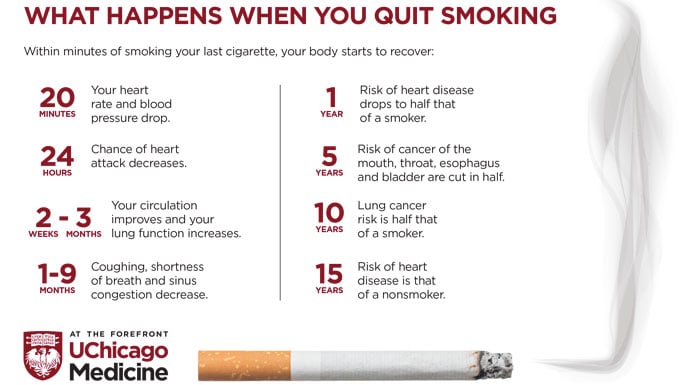
The longer a person quits smoking, the more it reduces their risk for cancer, cardiovascular and respiratory disease.
“It was hard to quit, but I made up my mind. You make up your mind and the rest will follow,” said Andrews, 71. “I wouldn’t have made it without the program.”
An attend-when-you-can program
Courage to Quit was designed by UChicago Medicine smoking cessation expert Andrea King, PhD, of the Department of Psychiatry & Behavioral Neuroscience, with support from the Respiratory Health Association, the Chicago Department of Public Health and the American Lung Association.
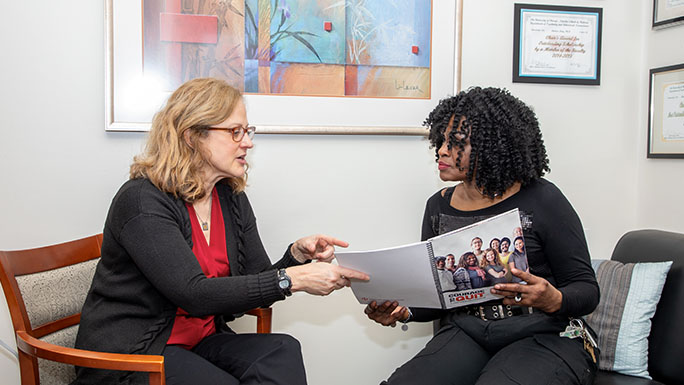
The join-anytime, attend-when-you-can treatment program combines counseling, education and support with evidence-based nicotine replacement medications to help ease tobacco withdrawal. The group meets on Zoom, with video or just on the phone.
Participants can receive free nicotine replacement patches, lozenges and gum for 10 weeks or more. If necessary, smoking cessation medications, such as bupropion or varenicline, can be prescribed.
The majority of the program’s participants join at no cost through Medicaid or Medicare, and insurance coverage can be checked for all other referred patients.
What are Courage to Quit meetings like?
At Courage to Quit meetings, participants discuss their struggles and victories while getting education and encouragement from the session leader and others in the group.
Andrews liked King's explanation about the psychology of smoking; figuring out how you feel while smoking, why you do it, and what happens to your body. Session leaders provide behavioral tools such as a calming, breathing technique that can ease cravings.
“I learned that smoking itself causes stress — running out of cigarettes, where to buy cigarettes, craving a cigarette when you can’t have one,” Andrews said. “Smoking was a crutch which precluded me from learning healthy and useful coping skills. In Courage to Quit, I learned about triggers and how to identify them and what to do about them.”
People often need to stop smoking to undergo surgery or medical treatments, especially for cancer. The 7,000 chemicals in a lit cigarette reduce the effectiveness of radiation and chemotherapy, and increase the odds of cancer recurrence, King said.
“This program is cancer prevention — and cardio and pulmonary disease prevention — for everyone,” King said.
More than 1,200 people have enrolled in Courage to Quit since its inception in 2016 at UChicago Medicine. Participants who successfully quit smoking, like Andrews, often stay involved to reinforce their smoke-free lifestyle and help others in their journey.
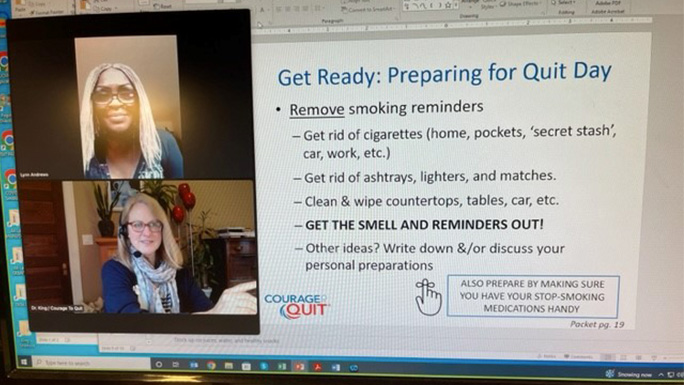
“Many participants relate to Lynn’s story and they listen closely to her advice," King said. "Sometimes she is like a co-leader to the group."
Andrews admits she sometimes still craves her Newport 100s, but “the urge doesn’t last.” Since she quit smoking, her leg pain from rheumatoid arthritis is gone and her breathing is much better, she said.
“If you really, really want to stop smoking, you can. You have to want it," Andrews said. "Coming to the Courage to Quit smoking cessation program helped."
Other smoking cessation tools
Courage to Quit is one of many smoking cessation tools available. King leads a program at UChicago Medicine’s Comprehensive Cancer Center called No Smoker Left Behind for cancer patients. Smokers can also get phone support from the National Cancer Institute’s SmokeFreeTXT.
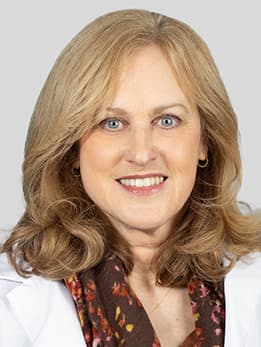
Andrea King, PhD
Andrea King, PhD, is a psychologist who focuses on tobacco and alcohol addiction, assessment and treatment of substance use disorders, and cancer prevention and control.
Read Dr. King's profileSmoking Cessation Program
Everyone’s journey to quit smoking is different, but you don’t have to do it alone. Courage to Quit® (CTQ), a group-based approach to smoking cessation, helps patients like you overcome tobacco addiction and quit smoking for good.
Learn more about our smoking cessation programs.