
Preventing frostbite: How to cope with the extreme cold of Chicago's winters
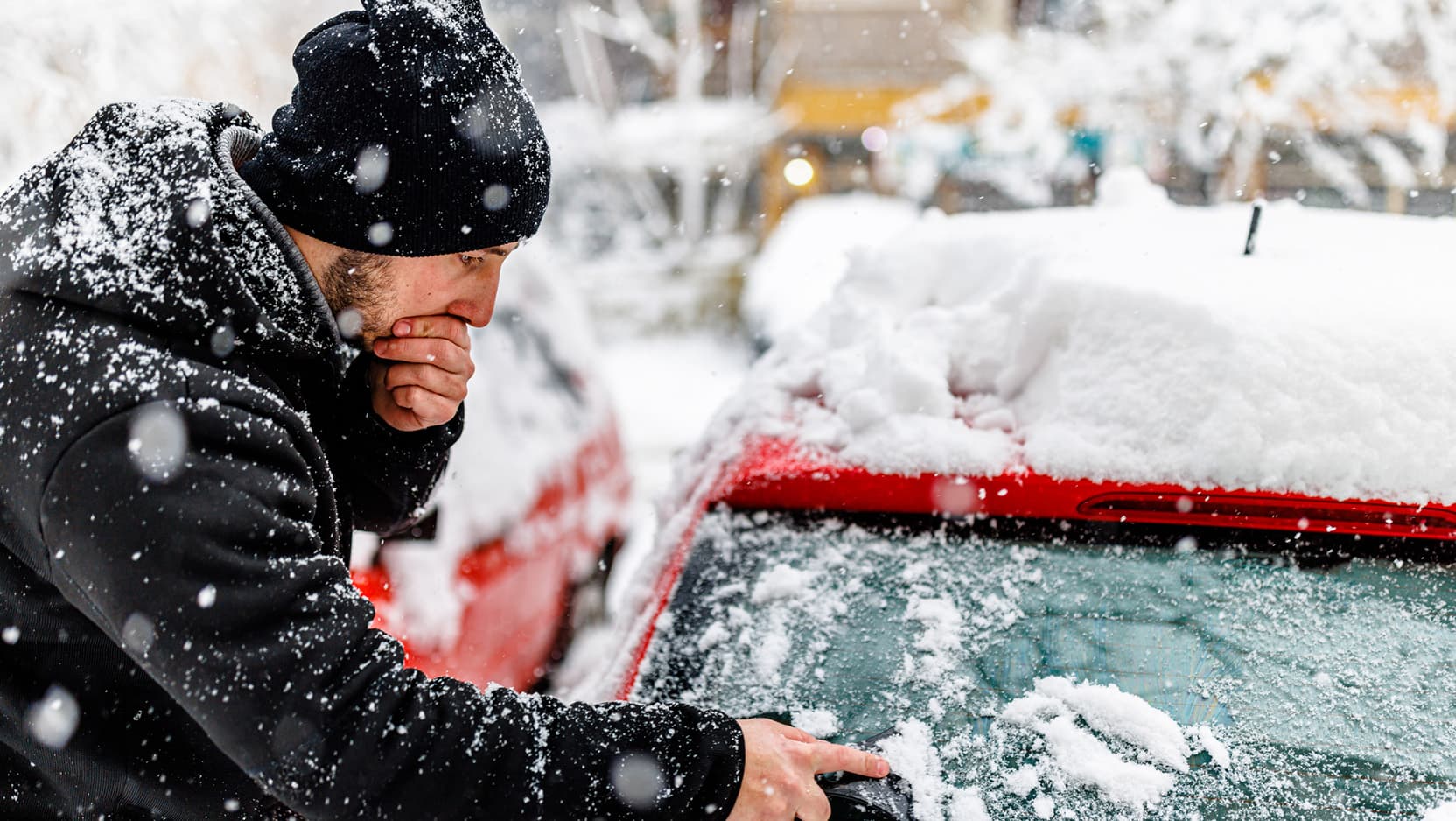
Most people, especially those who have been to a late-season Bears game, have experienced the discomfort of really cold fingers and toes. When your skin actually freezes, it hurts even more. But the real ache — a throbbing, stinging or burning pain — often comes when tissue thaws. That’s when the body recognizes how much damage has been done.
People should be aware of the risk of frostbite and take precautions when the temperature drops. The body parts most susceptible to frostbite, such as fingers, toes, exposed skin on the face, ears and even the corneas of your eyes, are at highest risk. Be especially cautious during strong winds and temperatures below zero, as cold injuries can occur in less than 15 minutes.
Prevention is key
- Don’t go outside if it’s not necessary when extreme cold is present.
- If you must go outdoors, limit your time outside and dress appropriately.
Tips for going out in the cold
- Wear multiple layers and don’t forget to wear a hat, scarf, insulated and waterproof boots and a warm, wind-resistant coat. Remember, mittens are warmer than gloves.
- Use hand and foot warmers.
- Keep in mind that the more you move, the better your blood circulates to keep your body warm.
- If you’re driving a long way, especially at night, make sure you have extra clothes and blankets to cover up if you get stuck. Have enough gas in the car.
- Go to a city warming center if you don’t have access to a warm space.
Understanding frostbite stages and when to seek medical care
The body’s tissues go through several stages of injury when exposed to extreme cold. If you are not sure how serious the damage is, always seek medical evaluation. Urgent care is appropriate for frostnip and superficial frostbite; for severe frostbite, go directly to the emergency department or a burn center like the UChicago Medicine Burn and Complex Wound Center.
Quick and proper treatment is crucial for frostbite recovery. Rapidly warming the affected areas can help limit damage, but only start rewarming if you’re certain the skin won’t refreeze, as repeated freezing and thawing increases the risk of injury. Keep frostbitten skin dry and elevated to reduce swelling and support healing.
In a hospital setting, physicians recommend rapid rewarming in a water bath at 104°-107.6°F (40°- 42°C) for 15-30 minutes until thawing is complete.
Frostnip: the earliest form of cold injury does not cause permanent tissue damage and usually does not require medical attention. Symptoms often include skin redness, pain or tingling in the tips of the fingers or toes. If symptoms improve after gentle rewarming, self-care at home is appropriate.
Superficial frostbite: Characterized by swelling, redness, loss of sensation and skin that appears paler than surrounding areas. These symptoms indicate that the tissue beneath the outer layer of skin has been injured, which requires medical attention.
Seek urgent care if:
- Skin looks pale or blanched, but color and feeling return after warming.
- Pain, redness or swelling does not improve after warming.
- You are unsure about the severity.
UChicago Medicine offers both in-person and 24/7 virtual urgent care options.
Severe frostbite: In the most extreme case, severe frostbite involves full-thickness freezing damage of deeper tissue including fat, muscle, blood vessels and even bone or cartilage. This can cause tissue to die and require amputation of body parts.
If you are unable to feel the affected area after warming, especially if blisters form and there is no sensation, this indicates a more serious injury requiring prompt medical care.
Seek emergency care or go to a burn center if:
- You cannot feel the affected body part after warming.
- Blood-filled blisters form.
- Multiple fingers or toes are involved.
- The entire finger or toe is affected (circumferential injury), which can signal impaired blood flow and increase the risk of tissue damage.
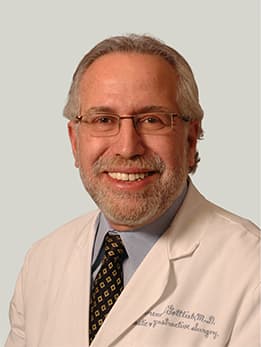
Lawrence J. Gottlieb, MD
Lawrence J. Gottlieb, MD, is an internationally known reconstructive plastic surgeon. He has clinical and research interests in reconstructive microsurgery, and the care of patients with burn injuries, difficult wounds, or complex reconstructive needs. Dr. Gottlieb works on many multidisciplinary teams to provide comprehensive, state-of-art treatment for a wide variety of adult and pediatric patients.
Learn more about Dr. Gottlieb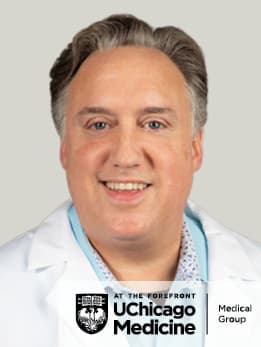
Joseph Newberg, MD
Board-certified family medicine physician, Joseph Newberg, MD, specializes in care for the whole family.
Learn more about Dr. Newberg