
Vascular Disease: Symptoms, Causes and Treatment
Key Takeaways
- Vascular disease affects blood vessels throughout the body and can lead to serious complications such as stroke and limb loss. It often develops without noticeable symptoms, so understanding your risk is important.
- The most common cause is atherosclerosis, a buildup of plaque that narrows arteries and reduces blood flow. Key risk factors include age, diabetes, high blood pressure, high cholesterol, obesity, smoking and family history.
- Treatment ranges from lifestyle changes and medication to minimally invasive procedures and surgery, depending on severity.
- The University of Chicago Medicine is nationally ranked in Cardiology, Heart Surgery and Vascular Surgery, and offers comprehensive, advanced vascular care.
Ready to take control of your vascular health? Schedule an appointment with our vascular specialists or call 773-702-6128 for faster assistance.
What is Vascular Disease?
Vascular disease occurs when there is a problem with the blood vessels, which are the arteries and veins that carry blood throughout the body. These problems can include narrowing, blockages or weakened vessel walls, all of which can reduce or restrict blood flow.
Because blood flow is essential for delivering oxygen and nutrients, vascular disease can affect nearly any part of the body, including the brain, heart, limbs and organs. In severe cases, it can lead to complications such as stroke or limb loss.
Vascular disease often develops without noticeable symptoms, meaning many people may not know they have it until it becomes advanced. That’s why understanding your risk factors and seeking early evaluation is important.
The most common cause of vascular disease is atherosclerosis, which is a buildup of plaque inside the arteries that causes them to harden and narrow over time. This restricts blood flow and increases the risk of serious complications.
Causes and Risk Factors for Vascular Disease
Several factors can increase your risk of developing atherosclerosis and vascular disease. Common risk factors include:
- Age over 50
- Diabetes
- High blood pressure
- High cholesterol
- Family history of vascular disease
- Obesity
- Smoking
If you have multiple risk factors, our vascular specialists can evaluate your risk and create a personalized care plan to manage your condition.
Vascular Disease Symptoms
Vascular disease can affect any part of the body, so symptoms vary depending on which blood vessels are involved. Reduced or restricted blood flow may cause:
- Chest pain
- Limb pain
- Shortness of breath
- Fatigue and muscle weakness
- Reduced mobility or flexibility
- Nausea
- Sweating
Not everyone experiences symptoms. However, it is important to recognize behaviors that can worsen vascular disease, including smoking, lack of physical activity and an unhealthy diet.
How is Vascular Disease Diagnosed?
At UChicago Medicine, we use advanced vascular ultrasound and diagnostic testing to quickly and accurately evaluate blood vessel health.
Learn more about diagnosing vascular disease and our vascular lab services.
How is Vascular Disease Treated?
Treatment depends on the type, location and severity of the condition. We prioritize nonsurgical options whenever possible before recommending surgery.
Treatment options may include:
Lifestyle changes: Smoking cessation, heart-healthy nutrition, supervised exercise programs and weight management support.
Medications: Blood pressure control, cholesterol-lowering medications, blood thinners to reduce clot risk and diabetes management.
Minimally invasive procedures: Angioplasty and stenting, atherectomy to remove plaque and thrombolysis to dissolve blood clots.
Surgical treatment: Bypass surgery, endarterectomy to remove plaque from artery walls and aneurysm repair.
Learn more about vascular disease treatment options.
Why Choose UChicago Medicine for Vascular Care?
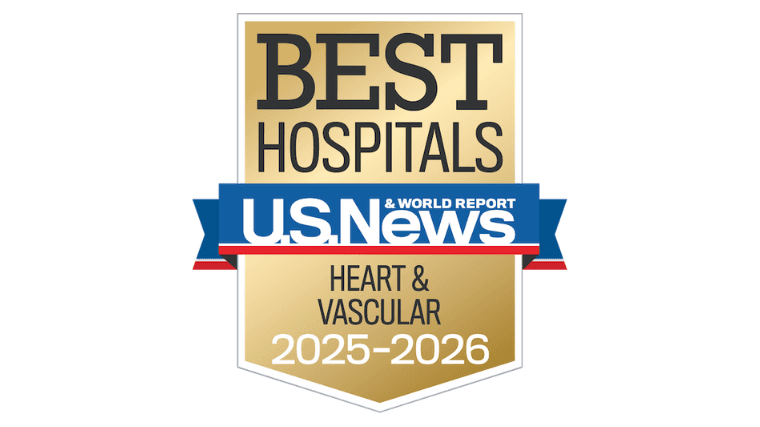
According to U.S. News & World Report, the University of Chicago Medicine's Heart and Vascular programs are among the best in the nation — nationally ranked in Cardiology, Heart Surgery and Vascular Surgery (2025–26).
Our vascular surgery program offers:
- Comprehensive expertise in medical, endovascular and surgical treatment of all vascular and aortic conditions
- Advanced diagnostic and treatment capabilities including state-of-the-art vascular lab services
- A multidisciplinary team approach for coordinated care
- Access to clinical trials and innovative therapies not widely available elsewhere
- Multiple care locations throughout the Chicago area
For referring physicians: Refer a patient to our vascular disease team.
To schedule a vascular evaluation, call 773-702-6128 or request an appointment online. If you are experiencing urgent symptoms, call your doctor or go to the emergency room immediately.
Frequently Asked Questions
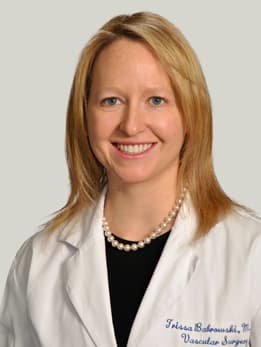
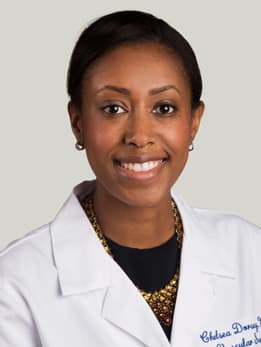
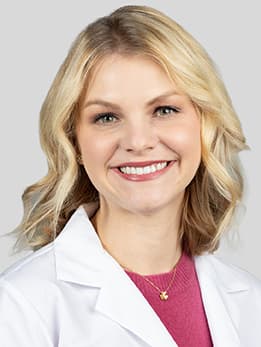
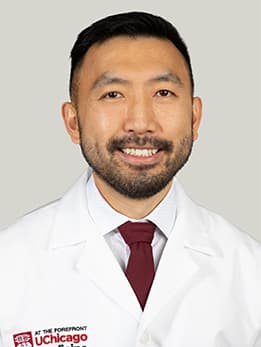
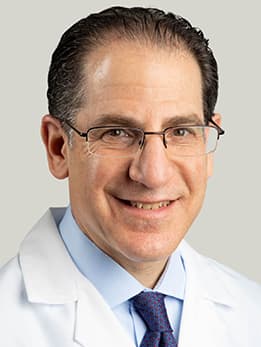
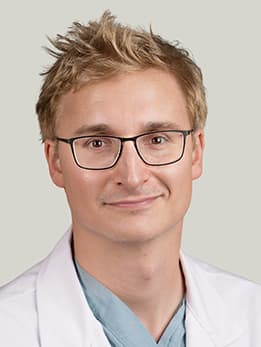
Meet Our Vascular Surgeons
Nationally Ranked in Cardiology, Heart Surgery and Vascular Surgery
Request an Appointment
We are currently experiencing a high volume of inquiries, leading to delayed response times. For faster assistance, please call 1-773-702-6128 to schedule your appointment.
If you have symptoms of an urgent nature, please call your doctor or go to the emergency room immediately.
* Indicates required field