

Introducing the Human Engine Research Initiative
Behind the fastest teams in the world are people performing at the limits of endurance, precision and coordination across a relentless global season.
The Human Engine is a first-of-its-kind, physician-led research initiative from UChicago Medicine in partnership with the TGR Haas F1 Team.
Together, we are studying how performance is sustained and where it begins to break down across real conditions, including constant travel, disrupted sleep, sustained pressure, and high-stakes decision-making over months at a time.
UChicago Medicine physicians and researchers are embedded across the 2026 season, collecting data and generating insights to inform interventions that support both performance and well-being.
What we learn will advance our understanding of human performance under sustained pressure, with potential applications across other high-demand environments.
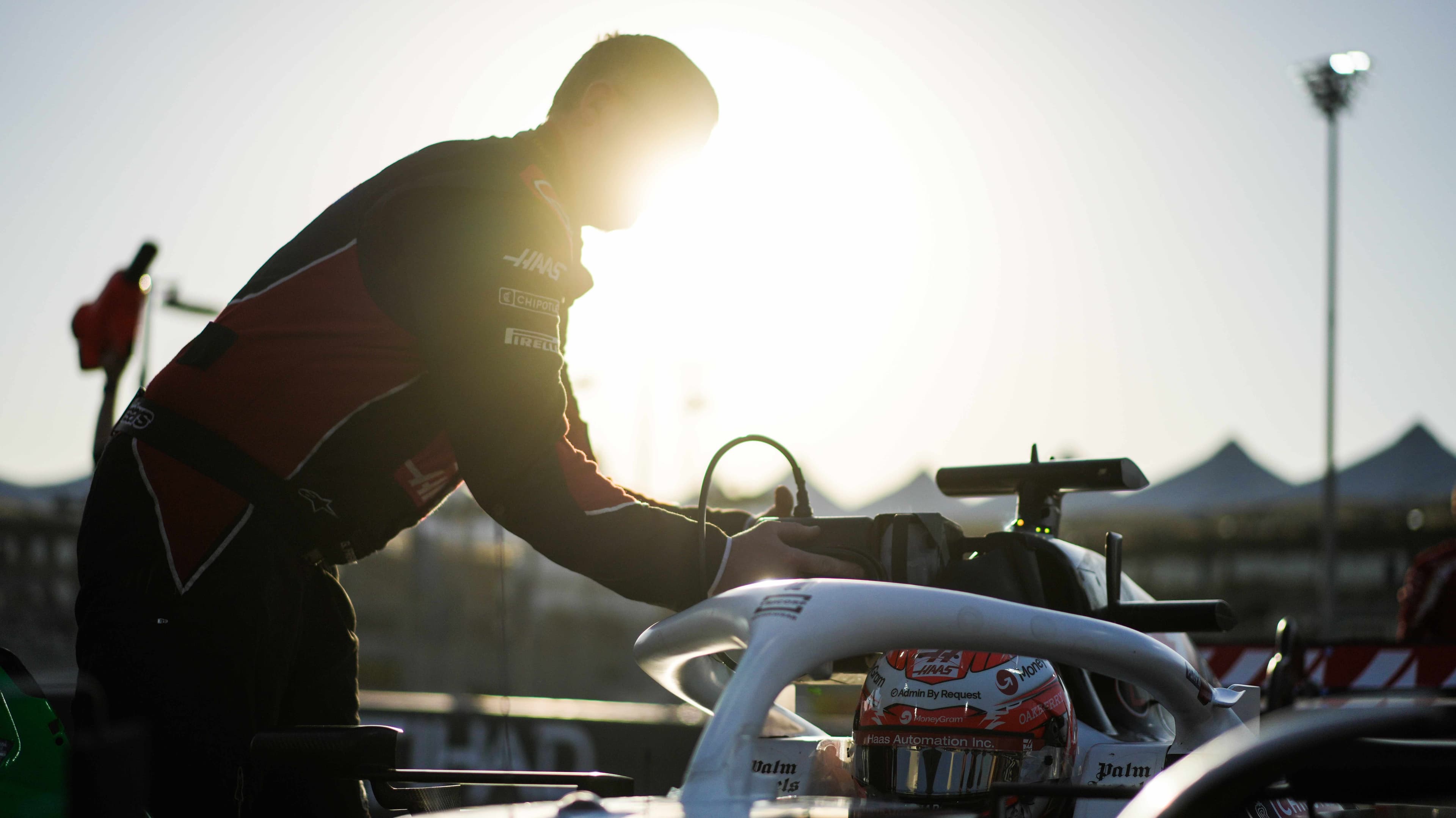
Sleep & Circadian Health
How rest shapes everything
When you cross five time zones in a weekend and do it again the following week, sleep isn't just a performance variable — it is survival.
We are studying what that disruption does to real people across a full season.
Psychological Well-Being
The weight of a season that never stops
Burnout doesn't announce itself. It accumulates — across long hours, relentless travel, and months away from the people and places that restore you.
We are tracking how psychological well-being shifts across the season, and what support actually makes a difference.
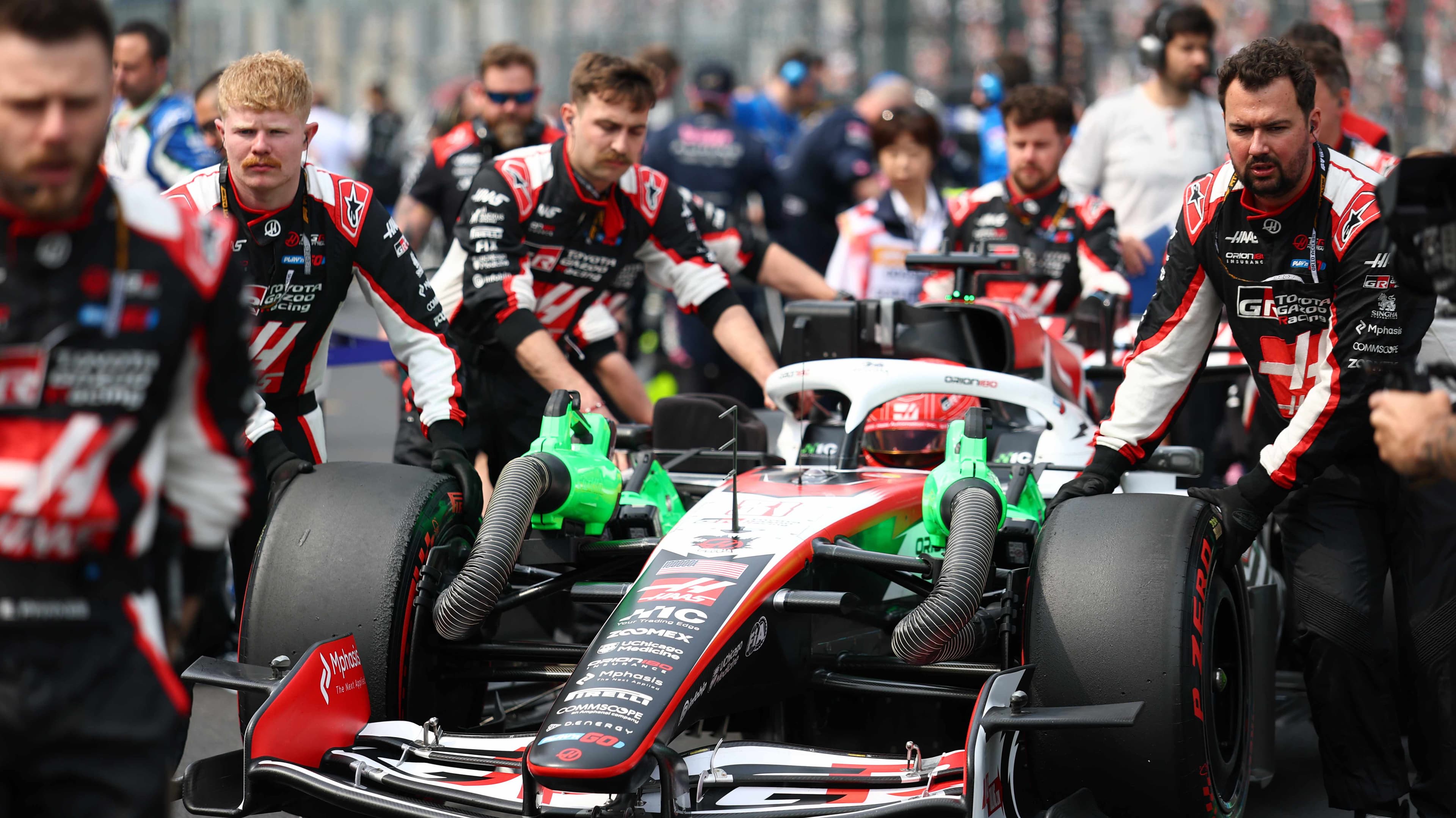
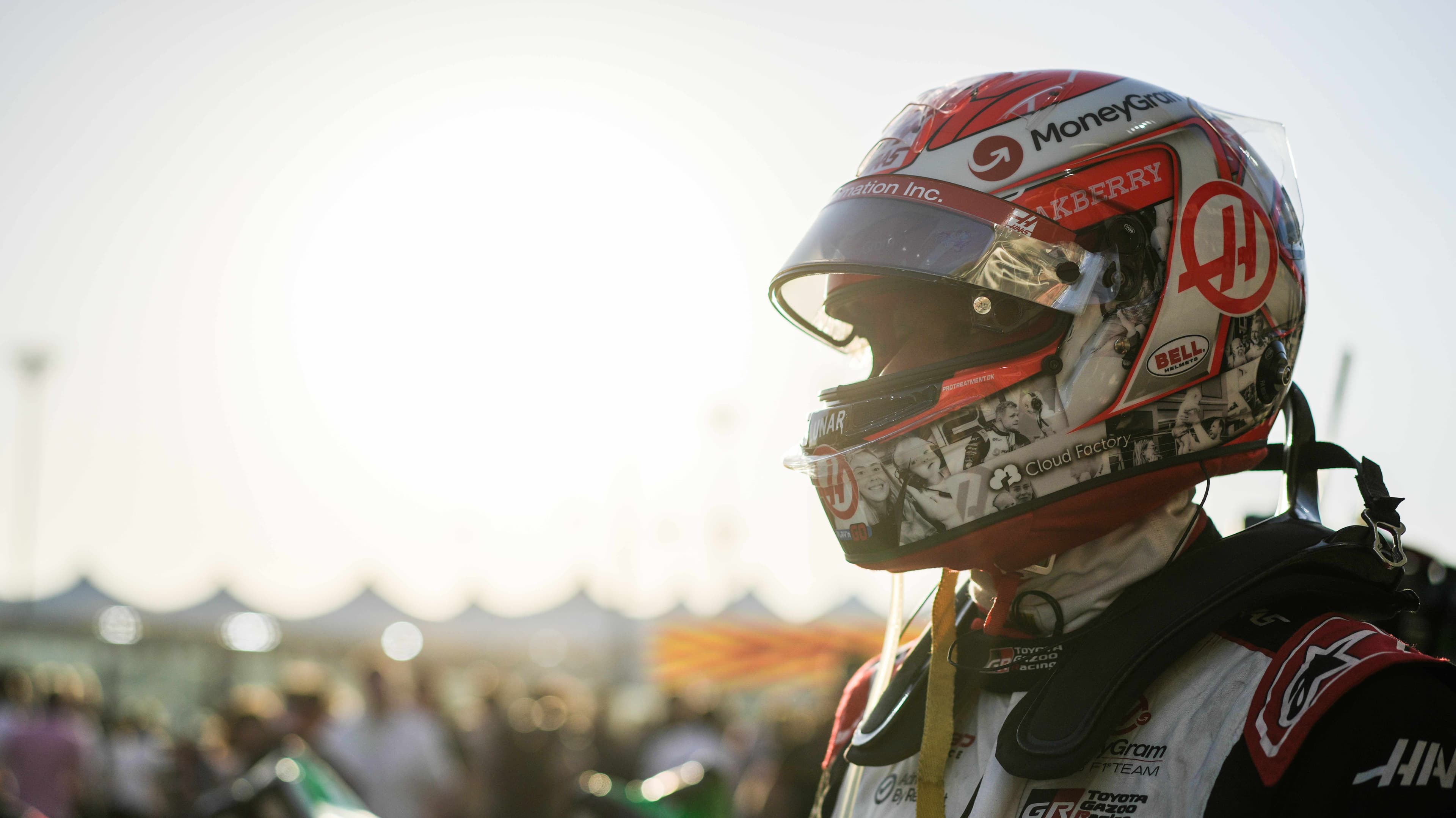
Team Dynamics & Work Experience
What it takes to trust each other under pressure
In 2.5 seconds, a pit crew makes dozens of interdependent decisions. That is not just training — it is trust, communication, and cohesion built over a season of shared pressure.
We are studying how team dynamics hold together, and what happens to the people inside them when under pressure and fatigue.
Data Collection Methods
Real data. Real conditions.
The study uses multiple validated methods to collect and analyze data across the full 2026 race season, with voluntary opt-in participation from the traveling Haas trackside team. Participants choose which methods they are comfortable with — the goal is to understand them, not to surveil them.
All data is de-identified and analyzed in aggregate. Individual privacy is protected throughout.
IRB-approved study · Fully anonymized data
Surveys — Validated survey instruments capturing self-reported data at multiple points throughout the season, designed to minimize participant burden while maximizing data quality.
Wearable Devices — Medical-grade wearable devices provide continuous biometric data across race weekends and travel days. Participants select their preferred device.
Interviews — In-depth qualitative interviews with team members conducted trackside or virtually, capturing lived experience and contextual insight beyond quantitative measures.
Biomarker Testing — Objective physiological markers providing additional data to complement behavioral and self-reported measures, planned for future phases of the study.