
Brain tumors and brain cancer: Symptoms, causes and treatment

Key Takeaways
- Brain tumors — both noncancerous and cancerous — can affect brain function by pressing on tissue or increasing pressure inside the skull.
- Over 100 types of brain tumors exist, ranging from benign to highly aggressive.
- Symptoms vary based on tumor type and location, but early evaluation helps guide diagnosis and care.
- A multidisciplinary team evaluates symptoms, performs diagnostic testing and creates an individualized treatment plan.
This guide provides expert answers to common patient questions about brain tumors and brain cancer — including what symptoms to watch for, what causes tumors, how they’re diagnosed and treatment options.
Meet With a Brain Tumor Expert Within 48 Hours
What is the difference between a brain tumor and brain cancer?
Brain tumors are growths of abnormal cells in the brain or spinal cord. Some tumors are benign (not cancerous) and grow slowly, while others are malignant (cancerous) and can grow more quickly or invade surrounding tissue.
Brain cancer refers specifically to malignant tumors that arise in or spread to the brain. Tumors that start elsewhere in the body and travel to the brain are called metastatic brain tumors.
What are the most common symptoms of brain tumors?
Symptoms vary widely depending on the tumor's location, size and growth rate. Common signs include:
- Headache
- Nausea and vomiting
- Vision changes and balance problems
- Personality and behavioral changes
- Difficulty thinking or speaking
- Seizures, drowsiness or coma
What causes brain tumors and brain cancer?
In many cases, the exact cause of a brain tumor is not known. Some factors may increase risk:
- Genetics or family history of certain conditions
- Exposure to high dose ionizing radiation
- Metastasis of cancers from other parts of the body
Everyday environmental and lifestyle factors are generally not linked to most brain tumors.
What are the different types of brain tumors?
There are many types of tumors, which can be benign or malignant, including:
- Gliomas (e.g., glioblastoma, astrocytoma)
- Meningiomas (often benign)
- Ependymomas
- Pituitary tumors
- Metastatic tumors from cancers elsewhere
Each type behaves differently and requires a tailored approach to diagnosis and treatment.
How are brain tumors diagnosed?
Diagnosis typically includes:
- Neurologic exam: assesses vision, strength, balance, coordination, and reflexes.
- Imaging tests: MRI or CT scans to visualize tumors.
- Tissue sampling: removing a tissue sample through biopsy or resection to determine tumor type and grade.
These tests help doctors determine the most appropriate treatment plan.
What treatments are available for brain tumors and brain cancer?
Treatment depends on tumor type, location, growth rate and your overall health. Options can include:
- Surgery to remove or reduce the tumor
- Radiation therapy to destroy cancer cells or slow tumor growth
- Chemotherapy to kill or stop tumor cells from dividing
- Targeted therapies that focus on specific cancer cell processes
Multidisciplinary teams of neurosurgeons, neuro oncologists and radiation oncologists work together to develop personalized care plans.
Can brain cancer be cured?
Whether brain cancer can be cured depends on several factors:
- Type of tumor
- Location in the brain
- Tumor grade
- How early it’s detected
Some tumors can be completely removed with surgery, while others — particularly aggressive types — may come back or require ongoing treatment.
Your care team will guide you through your prognosis and help you understand the best treatment plan for your individual situation.
Where can I get expert care for brain tumors or brain cancer?
Our brain tumor specialists at UChicago Medicine provide advanced, personalized care for both noncancerous and cancerous brain tumors. Learn about your options and find the right treatment path for your symptoms.
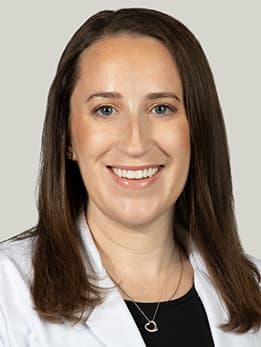
Lauren Singer, MD
Lauren Singer, MD, is a board-certified neurologist with a specialty in neuro-oncology. Dr. Singer is an expert in diagnosing and treating both primary and metastatic brain tumors, spine tumors and other nervous system tumors.
Learn more about Dr. Singer
Bakhtiar Yamini, MD
Bakhtiar Yamini, MD, is Director of Neurosurgical Oncology. He specializes in neuro-oncology and is an expert in minimally invasive neurosurgery for children and adults. His research focuses on how brain tumors resist treatment and the development of new treatments, including the use of biodegradeable nanoparticles.
Learn more about Dr. Yamini