
Blood-based DNA signals may help track osteosarcoma in children
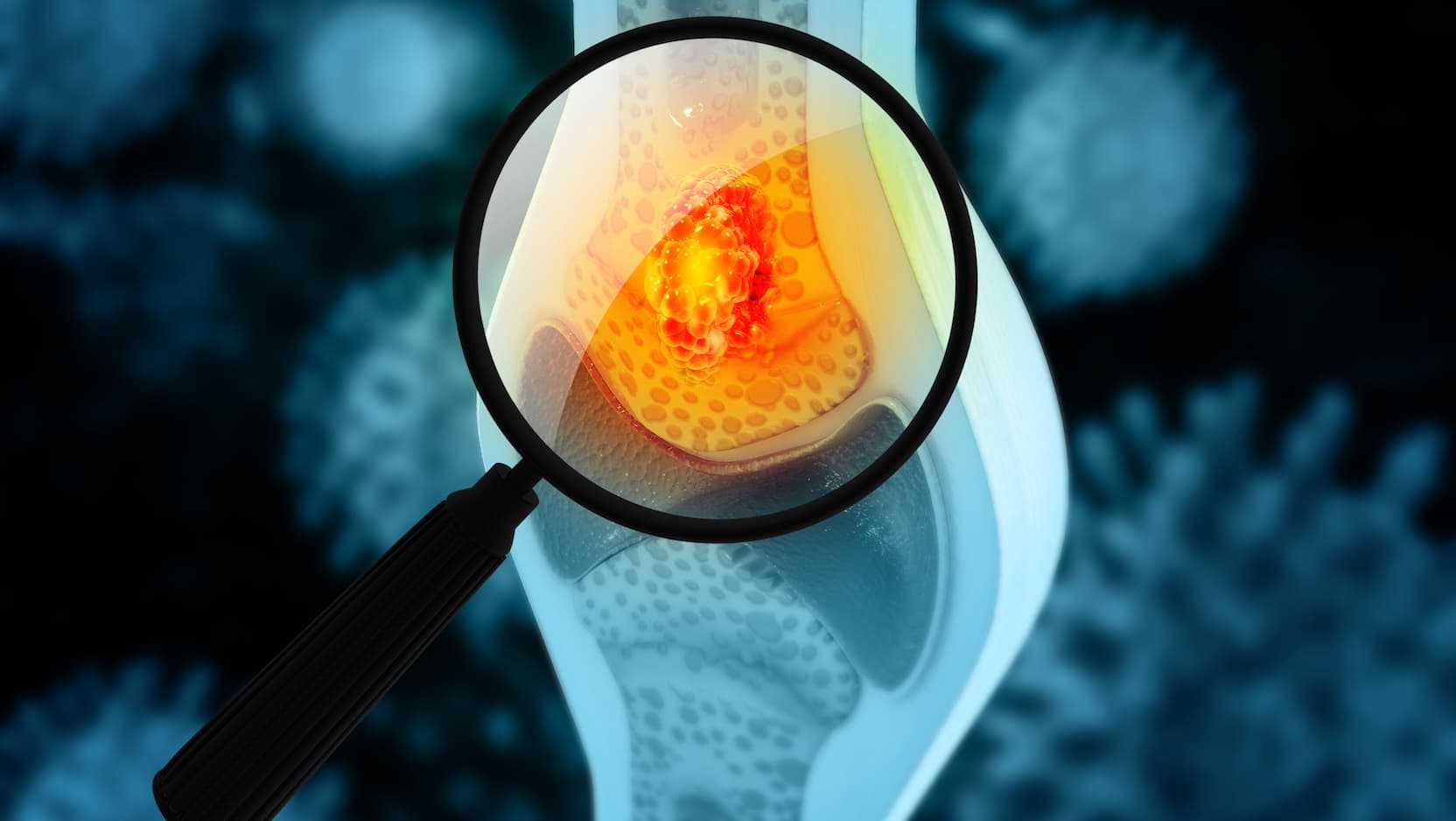
Detecting whether osteosarcoma, a rare but aggressive bone cancer that most often affects children and adolescents, has returned or spread remains a major challenge for patients and doctors. Blood-based biomarkers, which are measurable biological signals in the body, could offer a minimally invasive way to monitor the disease, but current methods often struggle to detect the small amounts of tumor DNA released by these bone cancers.
Now, researchers from the University of Chicago Medicine and collaborating institutions have identified epigenetic signals, which are the chemical modifications on DNA that control whether genes are turned on or off, in fragments of circulating DNA in the blood that correlate with disease status in patients with osteosarcoma. These new findings, published in NPJ Precision Oncology, suggest a potential new approach for tracking the disease using a simple blood test.
Osteosarcoma is the most common malignant bone tumor in children and adolescents, with about 400 new pediatric cases diagnosed each year in the United States. Osteosarcoma treatment has changed little in several decades and typically involves combinations of chemotherapy drugs followed by surgical removal of the tumor. Patients with localized disease have survival rates of about 60–70 percent, while those with metastatic disease face survival rates closer to 25 percent.
Although treatment combining chemotherapy and surgery cures many patients with localized disease, it is common in many cases for the cancer to return, or relapse, after treatment. Outcomes for patients with metastatic disease, in which the cancer spreads to other parts of the body, remain poor. Because relapse is common and there are few effective treatments for recurrent disease, researchers are searching for better ways to monitor patients and identify early signs of recurrence.
Blood-based monitoring could offer a less invasive alternative to imaging scans, which are currently used to track the disease but involve radiation exposure and may not detect small tumors early.
Cells release fragments of DNA into the bloodstream when they die or break apart. This material, known as cell-free DNA (cfDNA), consists of small pieces of DNA circulating freely in the blood and can originate from both healthy and tumor cells. The portion that comes from tumors, called circulating tumor DNA (ctDNA) can provide important information about the presence and progression of cancer. However, osteosarcoma tumors tend to release very little ctDNA, making them difficult to track using existing liquid biopsy methods, which detect cancer-related material in blood samples.
“A big question is whether we can detect interesting patterns in cell-free DNA and whether those patterns correlate with clinical outcomes,” said Mark Applebaum, MD, Associate Professor of Pediatrics at UChicago Medicine and senior author of the study.
Instead of focusing solely on tumor mutations, the research team investigated epigenetic signals, chemical modifications to DNA that influence how genes function without changing the DNA sequence itself. One such modification, 5-hydroxymethylcytosine (5-hmC), is associated with active gene expression and can reveal which genes are being active in a cell.
To analyze these signals, the researchers used a technique known as nano-hmC-seal, which was developed by Chuan He, PhD, the John T. Wilson Distinguished Service Professor of Chemistry, Biochemistry, and Molecular Biology at the University of Chicago. This technique chemically labels DNA fragments carrying the 5-hmC modification, allowing scientists to map patterns of gene activity across the genome using the tiny fragments of DNA circulating in the bloodstream.
The approach provides information similar to RNA sequencing, a technique that measures which genes are actively producing RNA and proteins, but relies on DNA fragments found in blood samples rather than tissue biopsies.
“Liquid biopsy technologies have transformed cancer care across many cancer types in recent years, but translating these advances to rare cancers like osteosarcoma has remained a significant challenge,” said first author Evan Neczypor, MD, Internal Medicine Resident at UChicago Medicine.
When the researchers analyzed blood samples from osteosarcoma patients, they confirmed that ctDNA levels were low. However, they discovered detectable differences in the 5-hmC patterns of cfDNA between patients with different disease states.
“We were able to find differences in the hydroxymethylcytosine patterns in cfDNA between patients who had different disease states,” Applebaum said.
The team identified a group of 136 genes with elevated 5-hmC signals in osteosarcoma patients but not in healthy individuals. This group of genes formed a distinctive osteosarcoma signature, or recognizable pattern of gene activity pertaining to osteosarcoma, in the blood.
Further analysis showed that many of these genes were associated with bone biology and bone turnover, the process by which bone tissue is continuously broken down and rebuilt. This suggests the signal detected in the bloodstream reflects gene activity from bone tumors.
The signature was detectable in patients with primary bone tumors as well as those with bone metastases. However, the signal was largely absent in patients whose metastases were limited to the lungs or lymph nodes, likely because these smaller tumors release less DNA into the bloodstream.
“We are excited to add to the growing body of literature with a novel technique that we hope can help overcome these challenges when combined with existing methods,” Neczypor said.
Although the current study was relatively small and designed primarily to test feasibility, the results suggest that analyzing epigenetic patterns in circulating DNA could complement existing methods for detecting tumor DNA. Larger studies will be needed to confirm the findings and determine whether the method could help guide treatment decisions or detect relapse earlier.
“If we can combine this approach with other techniques for analyzing circulating DNA, it could open up new opportunities to monitor patients and better understand how their disease is changing over time,” said Applebaum.
The study, 5-hydroxymethylcytosine profiles in circulating cell-free DNA associate with disease status in patients with osteosarcoma, was supported by funds from the University of Chicago Medicine Comprehensive Cancer Center, the Scholars in Oncology Research Award, The New York Community Trust, the National Pediatric Cancer Foundation, and the Institute for Translational Medicine.
Additional authors include Kelley Moore and Chuan He from the University of Chicago; Hailey Reisert, Elizabeth Zeldin, and Robert Dubin, from the Albert Einstein College of Medicine, New York; Danie Weiser from the Albert Einstein College of Medicine and the Children's Hospital at Montefiore, New York; Lauren Battle from the Icahn School of Medicine at Mount Sinai, New York; and Masanori Hayashi from the University of Colorado Anschutz Medical Campus and the Center for Cancer and Blood Disorders, Children's Hospital Colorado, Aurora, CO.

Mark A. Applebaum, MD
Mark Applebaum, MD, is an expert in pediatric cancers and blood diseases. He has a special interest in the treatment of neuroblastoma, sarcomas and solid tumors.
Read Dr. Applebaum's physician profile